CBG Header

Home ›About

Department

Shri C.B. Guttal Ayurvedic Medical College
1

Ayurvedic Anatomy

Shareera Rachana

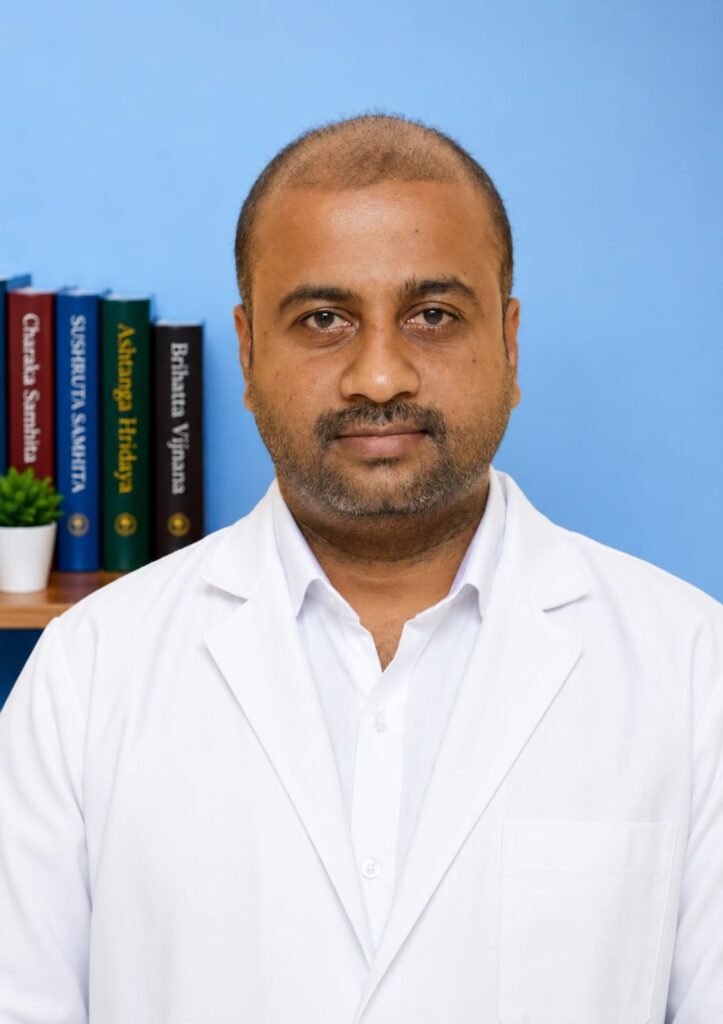
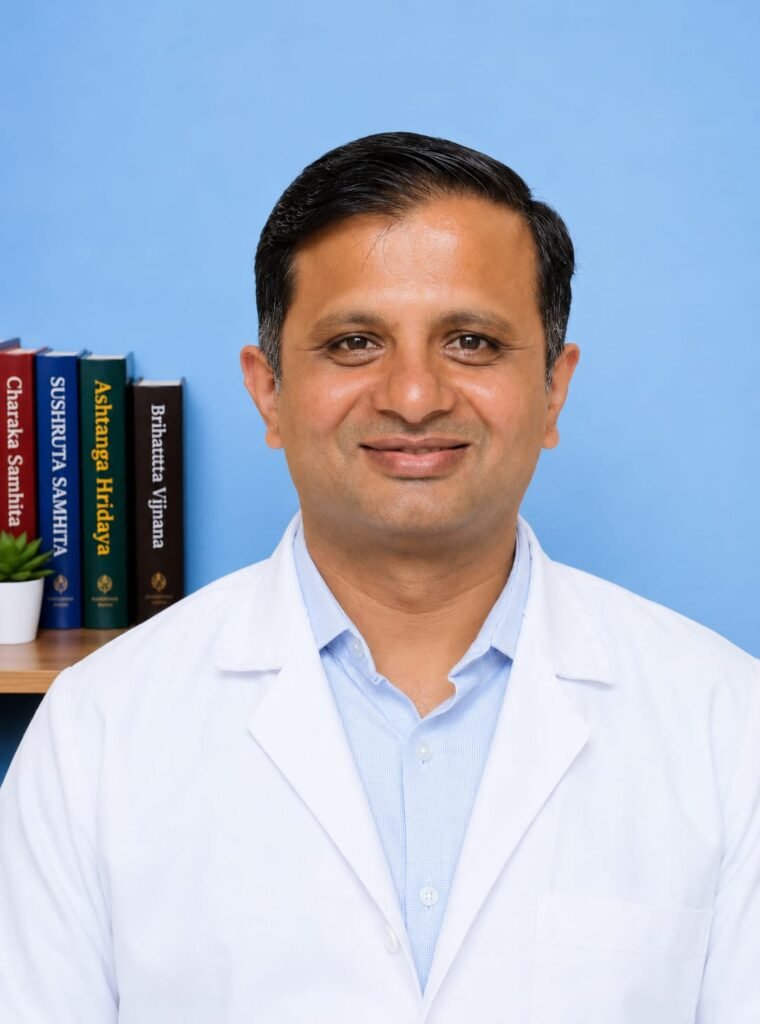
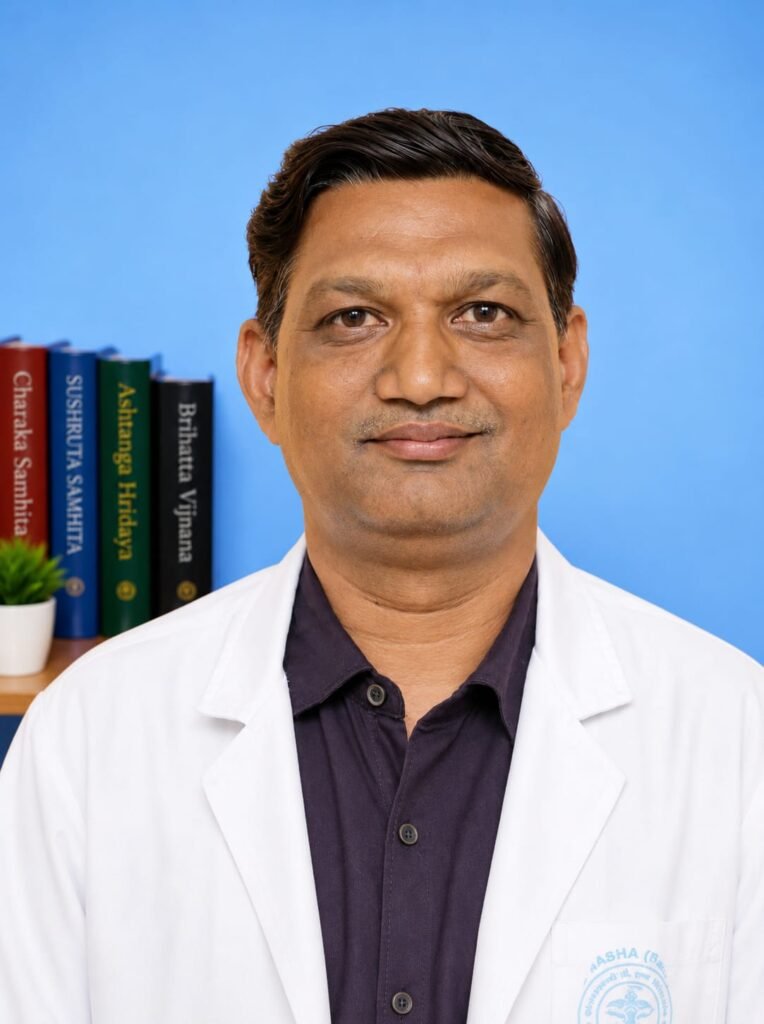
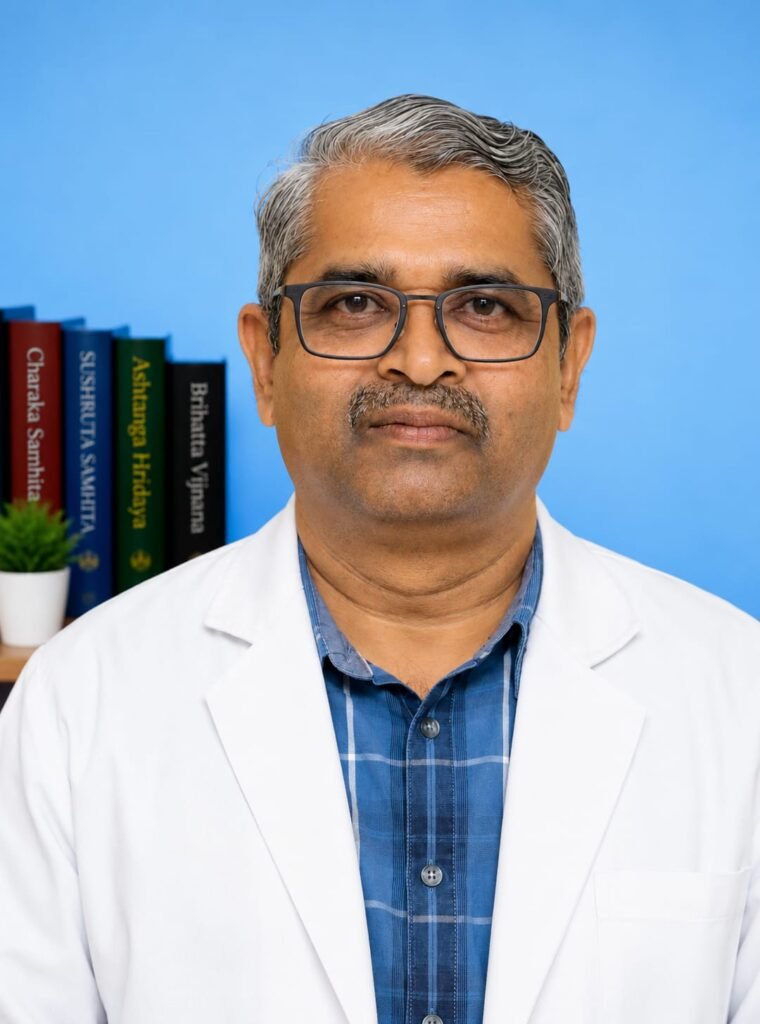
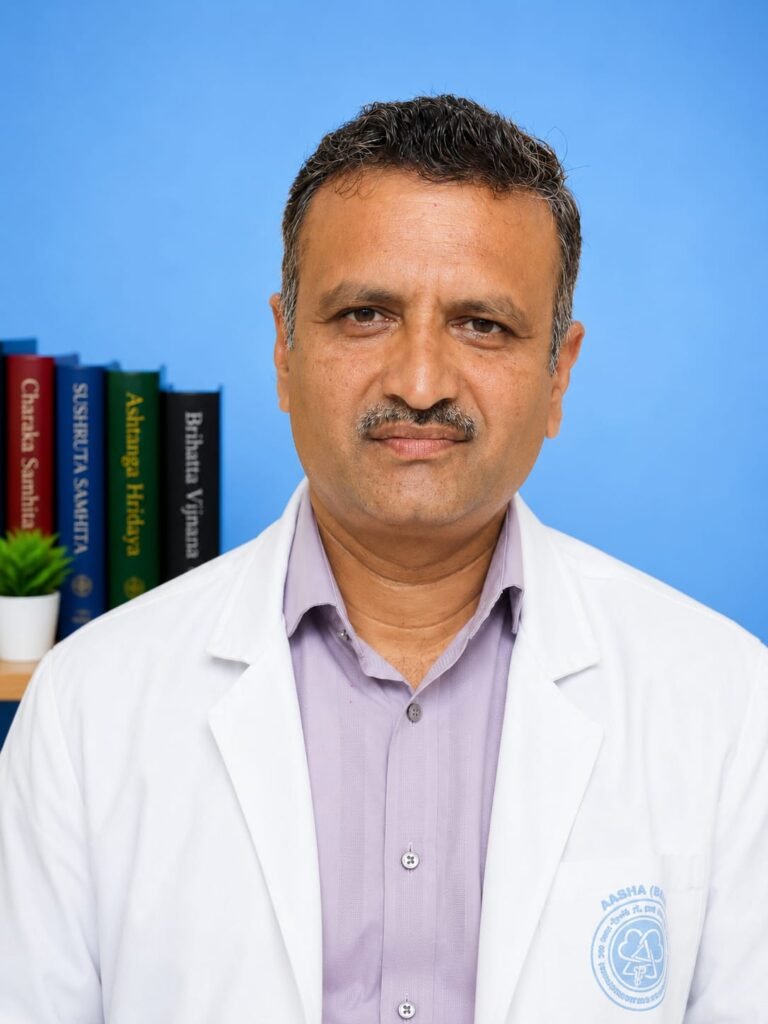
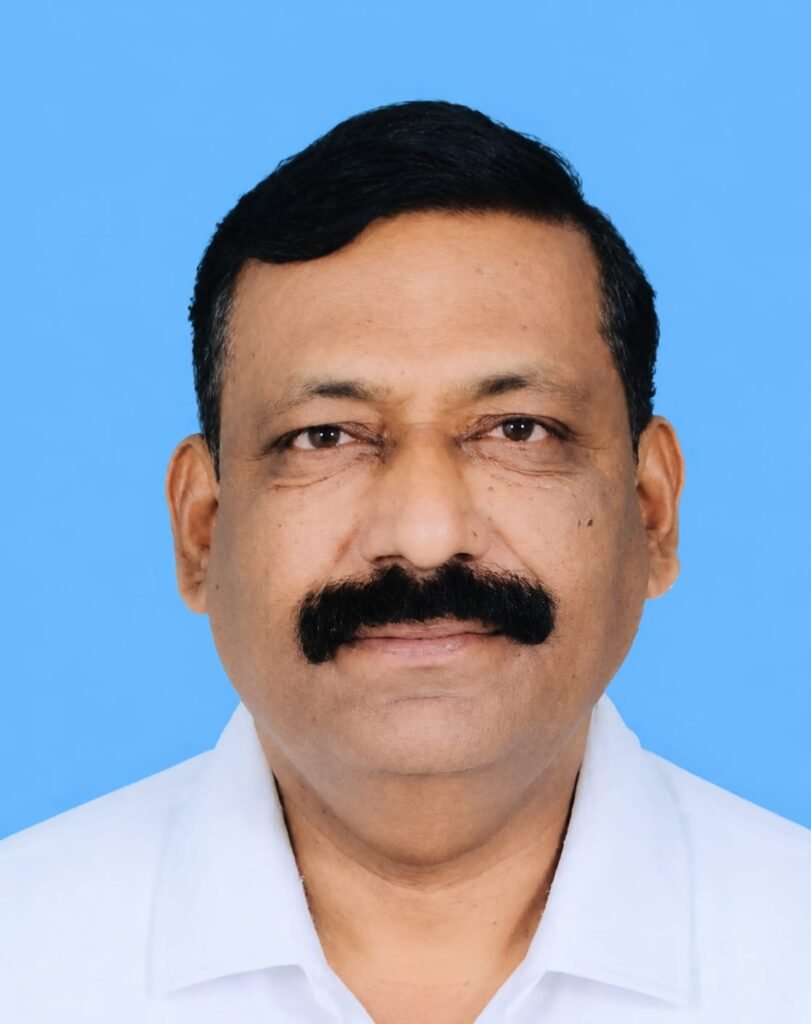
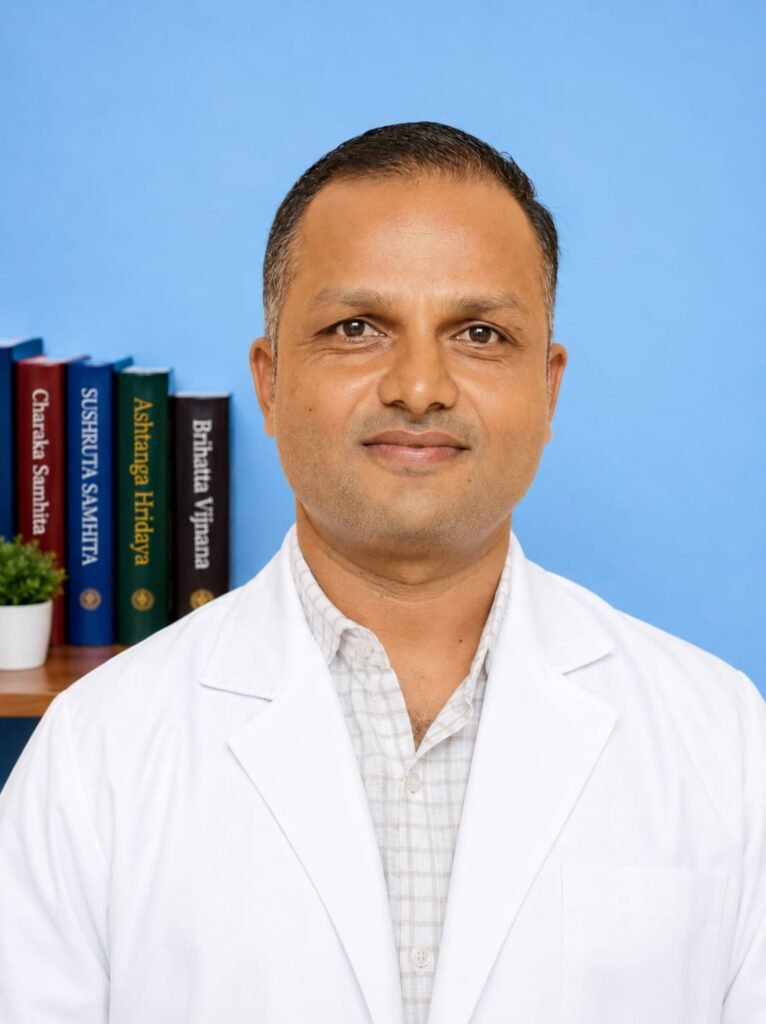
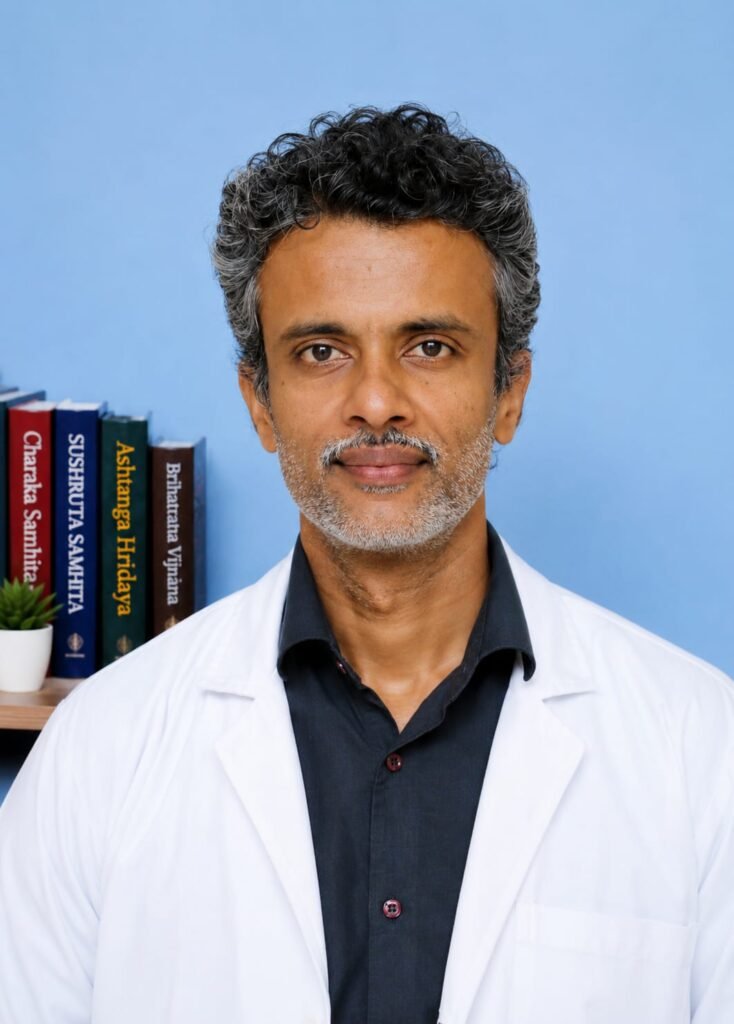
Dr Pradeep Kumar G akki
HOD / Professor


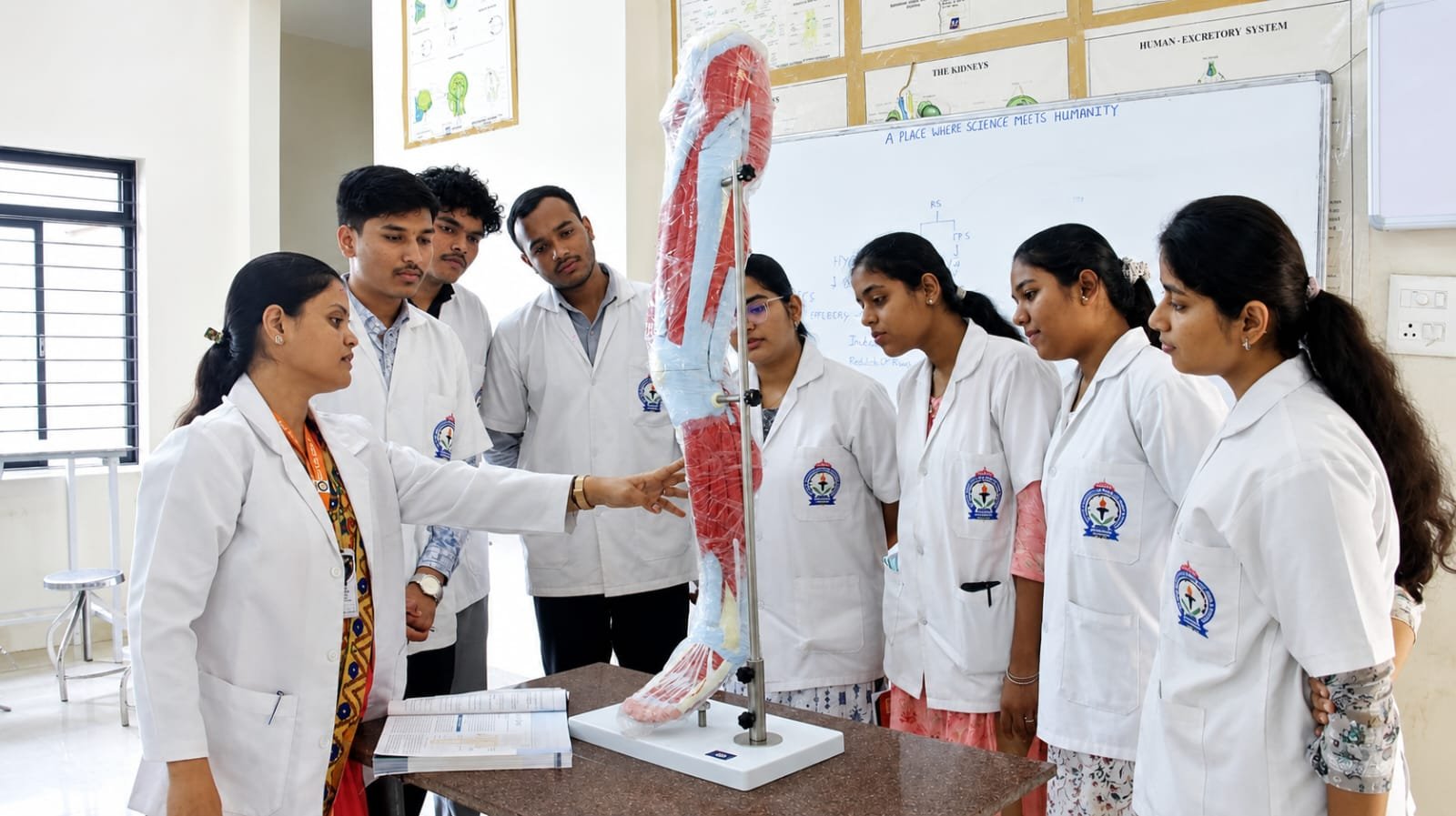
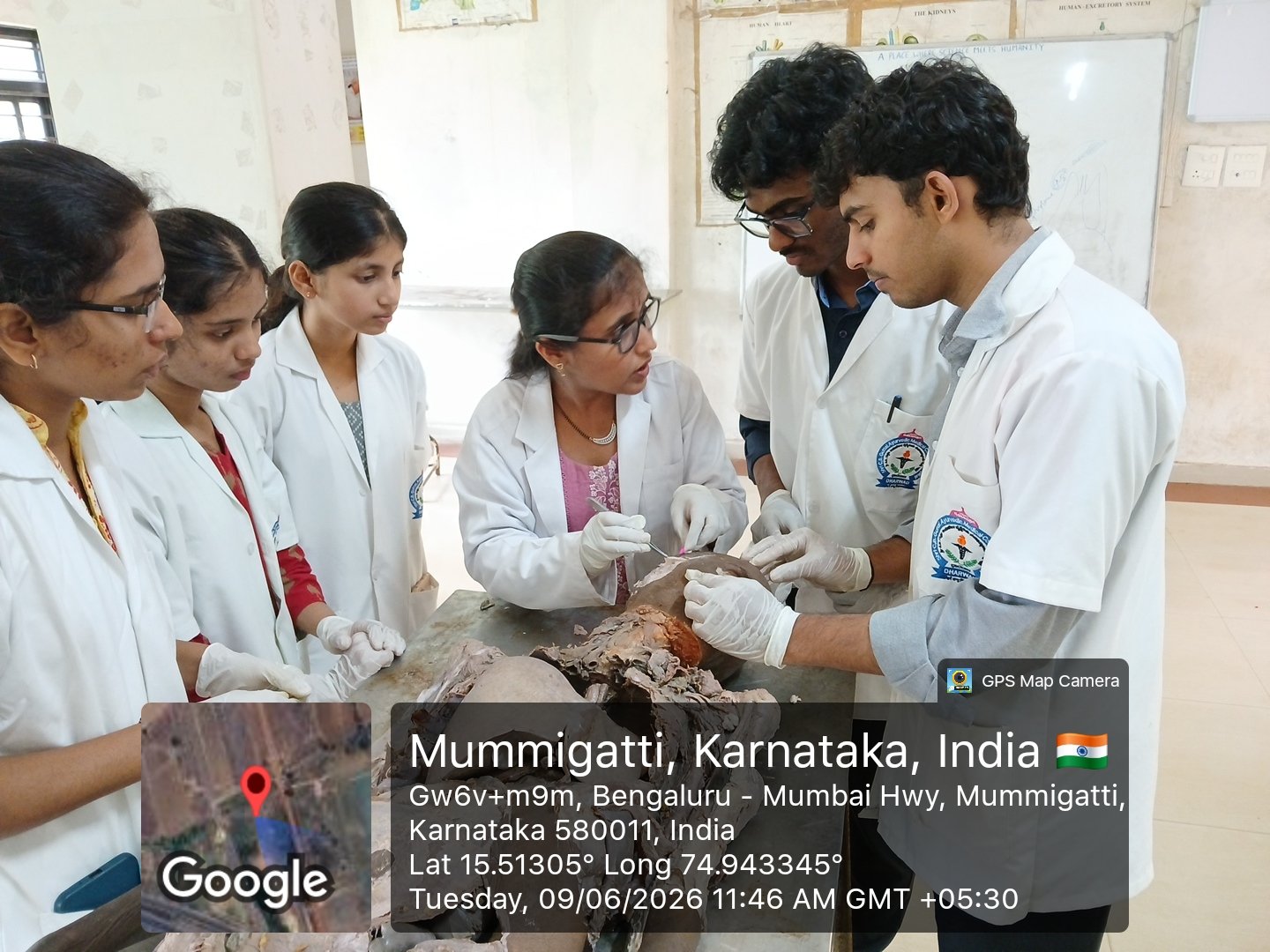
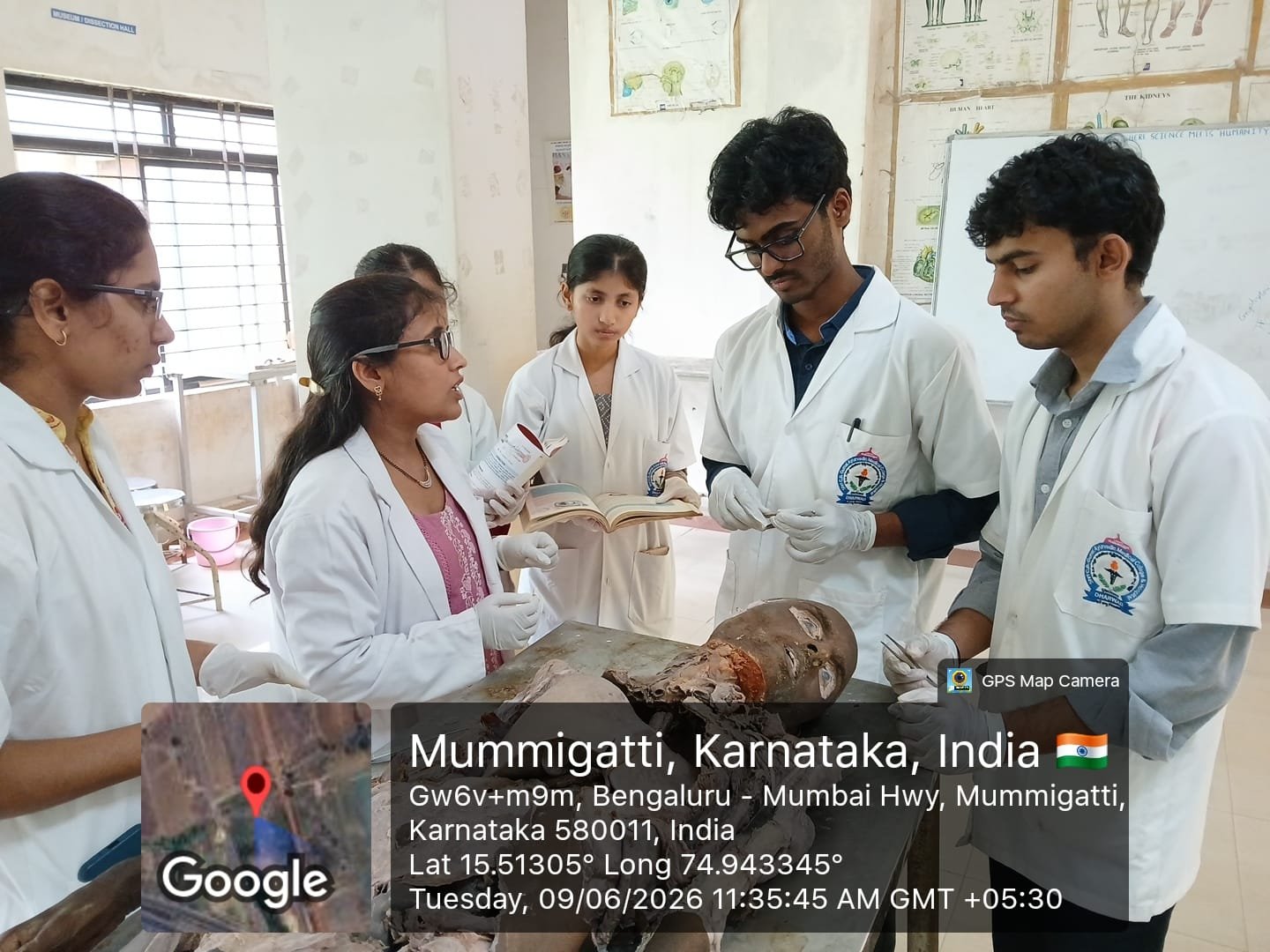
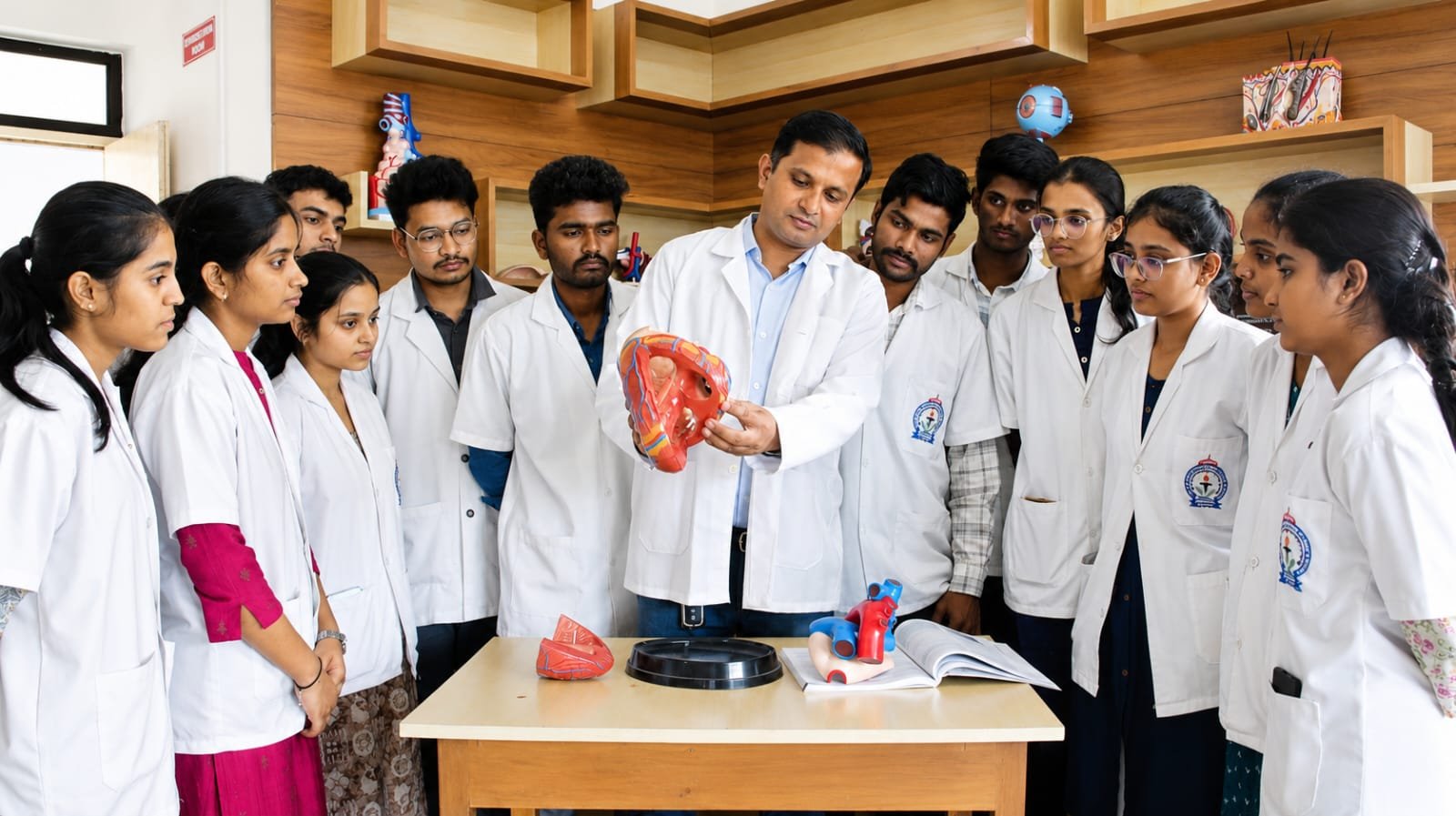
The Department of Shareera Rachana is dedicated to the study of structural anatomy of the human body as described in classical Ayurvedic texts alongside modern anatomical sciences. It provides the fundamental foundation for all clinical Ayurvedic practice through rigorous theoretical and practical training.

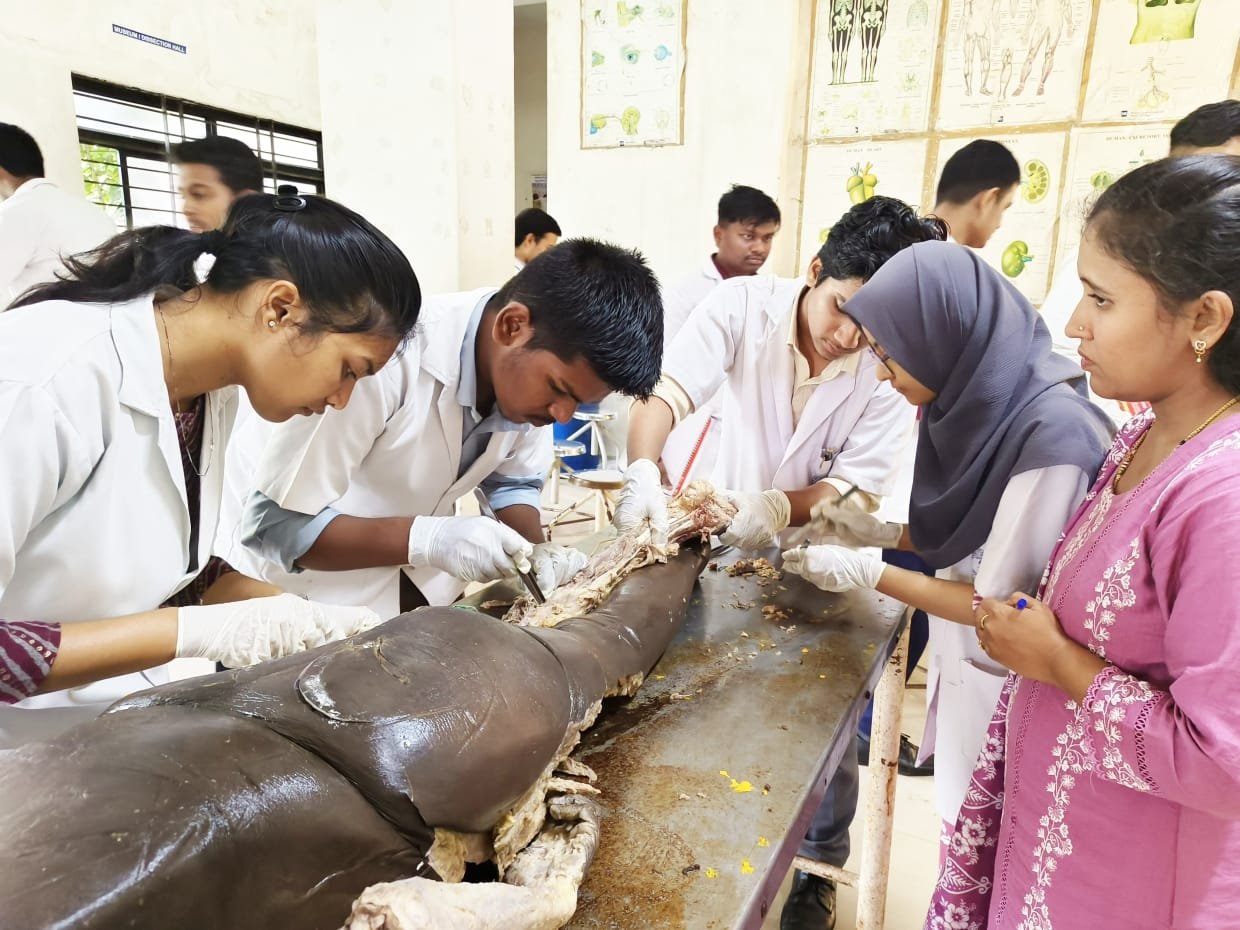
Students study Shaareera from the perspective of Ayurvedic classics — including Sushruta’s detailed description of Marma points, Srotas (body channels), and Kosha (body layers) — integrated with contemporary gross and microscopic anatomy.

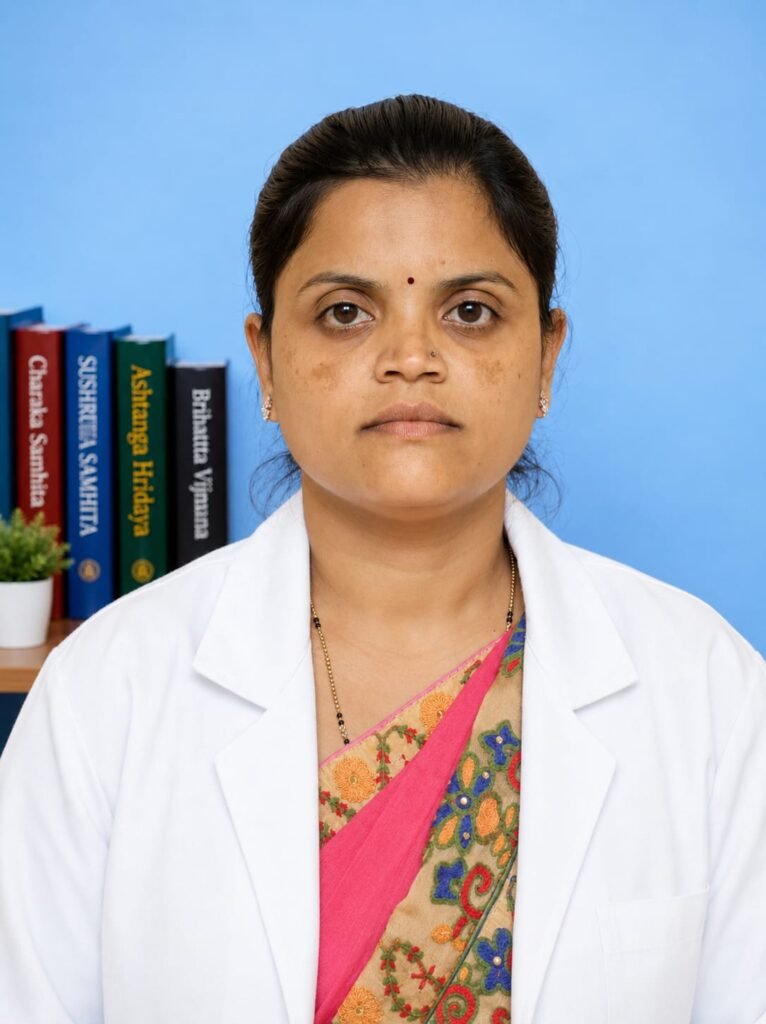
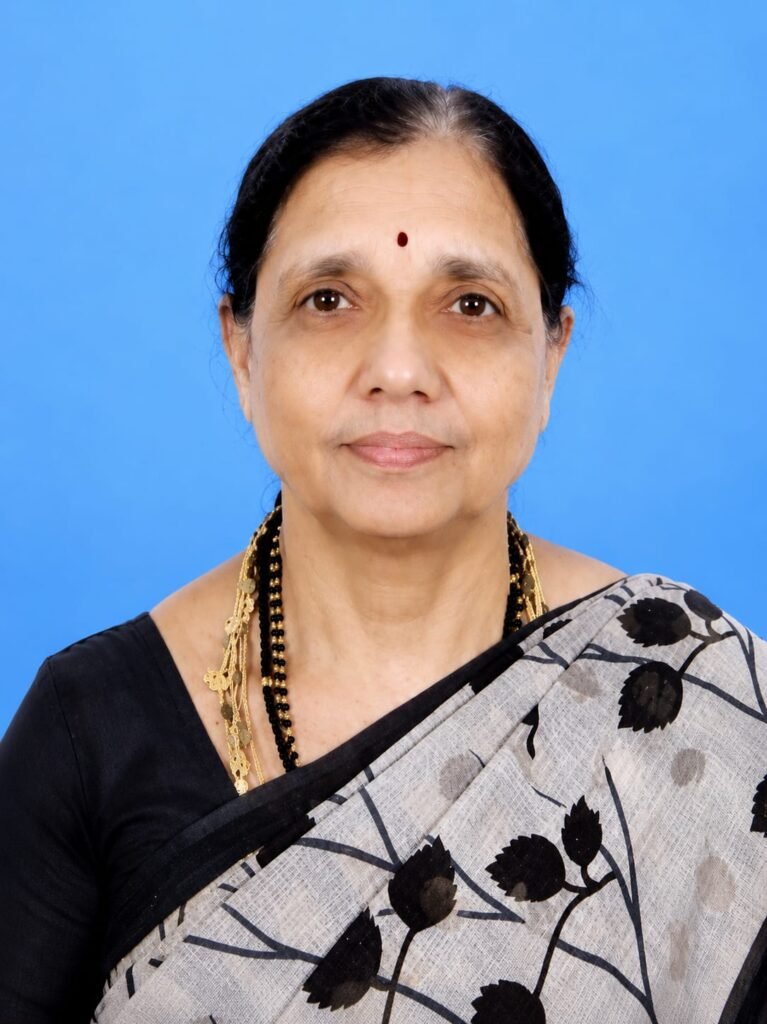
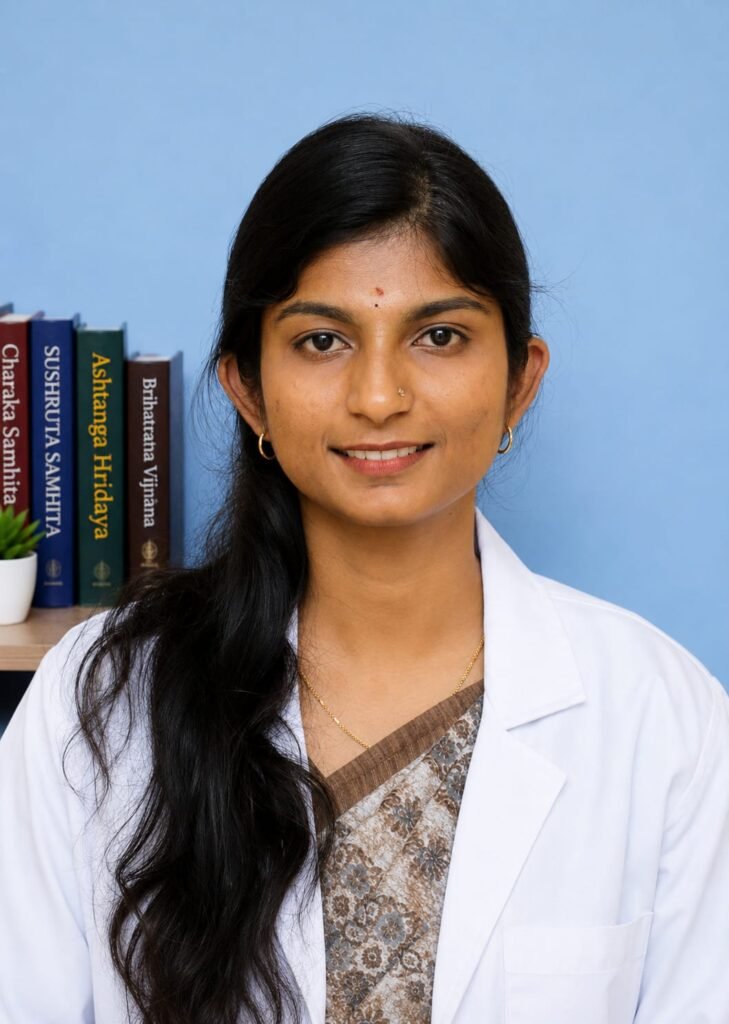
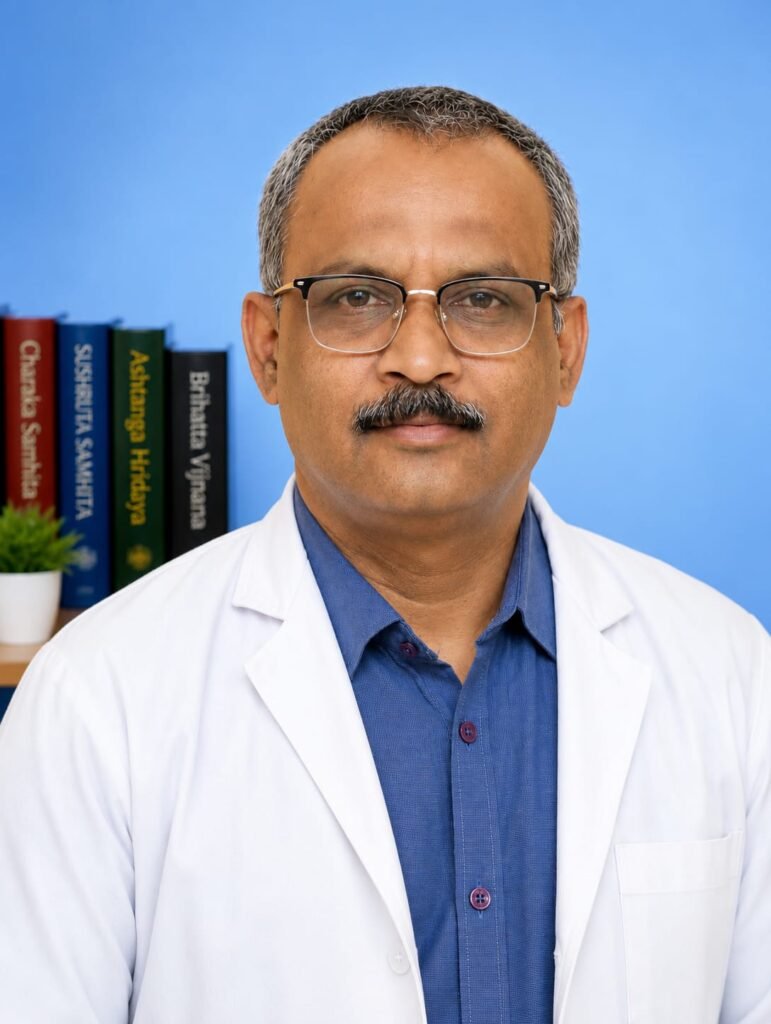
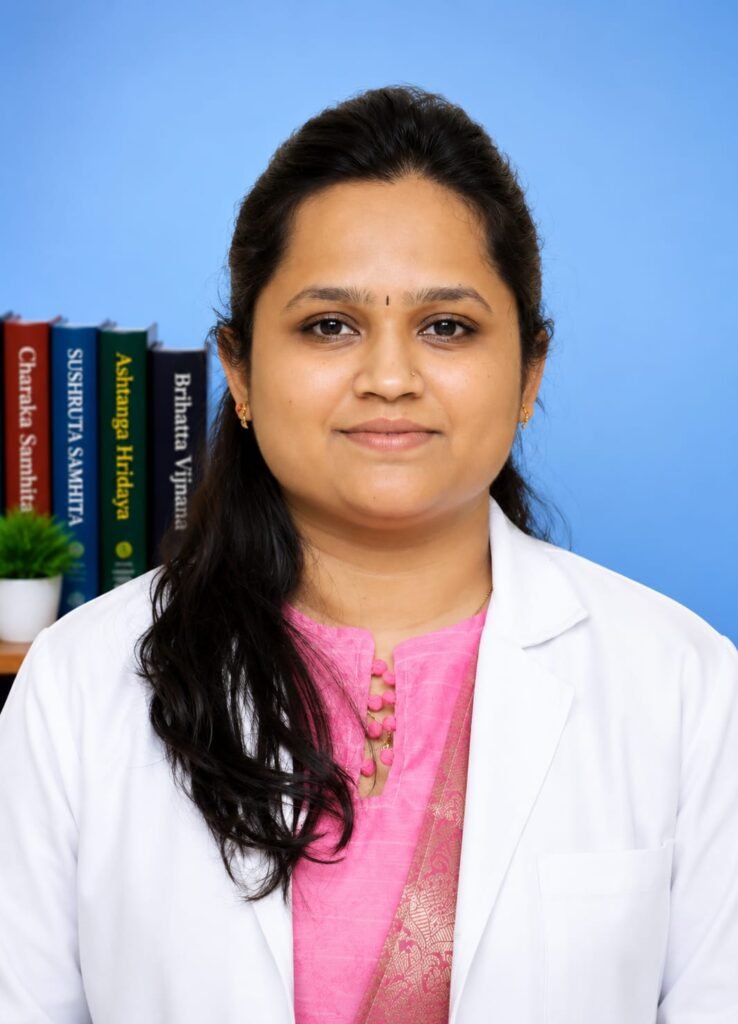
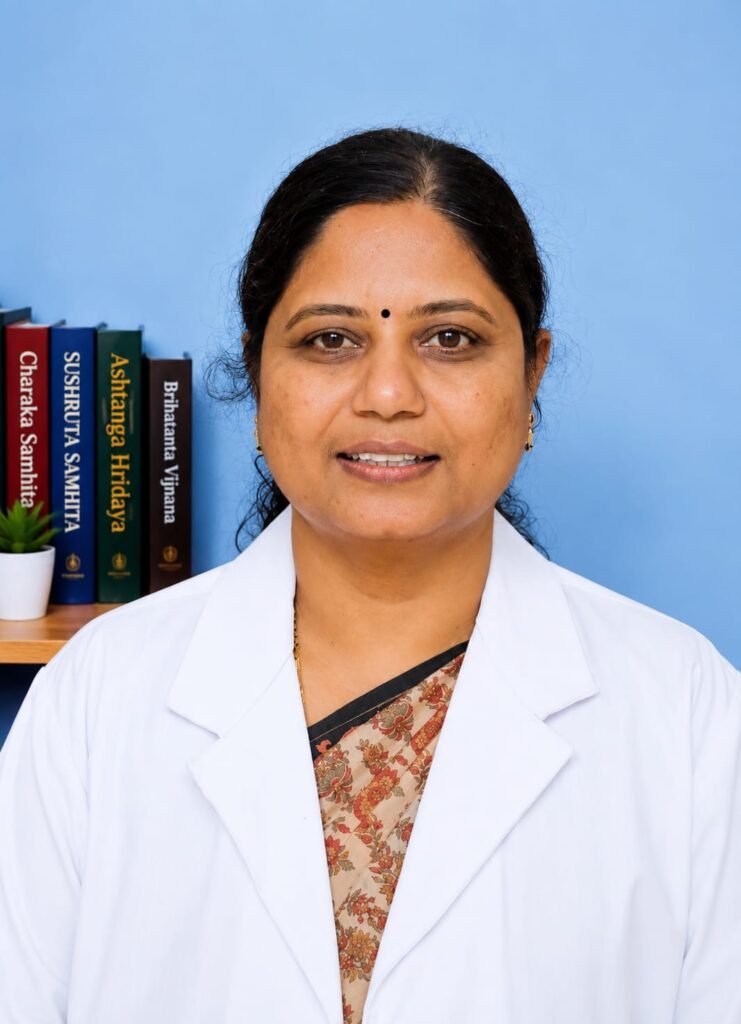
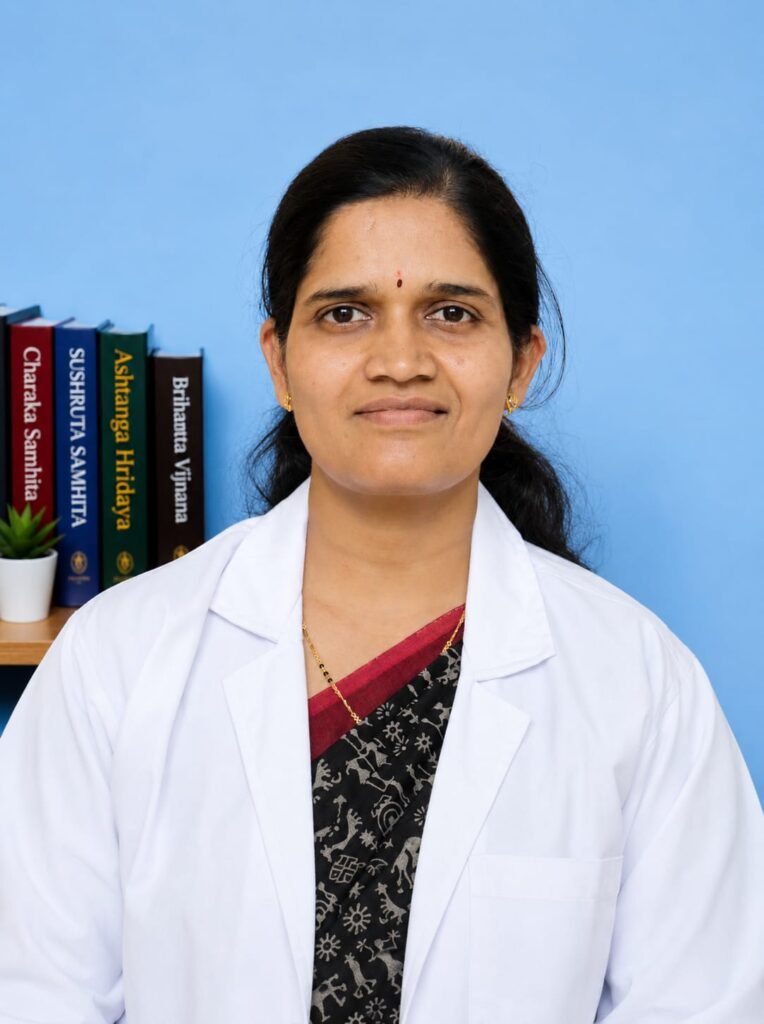
Dr Aparna arali
Associate professor


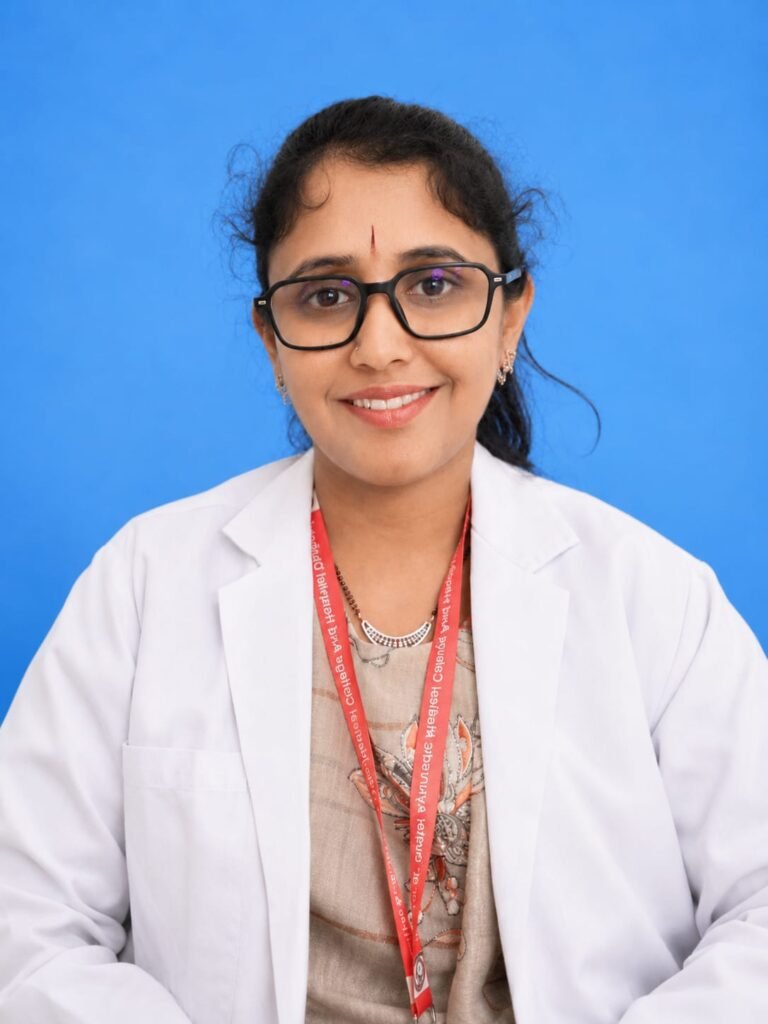
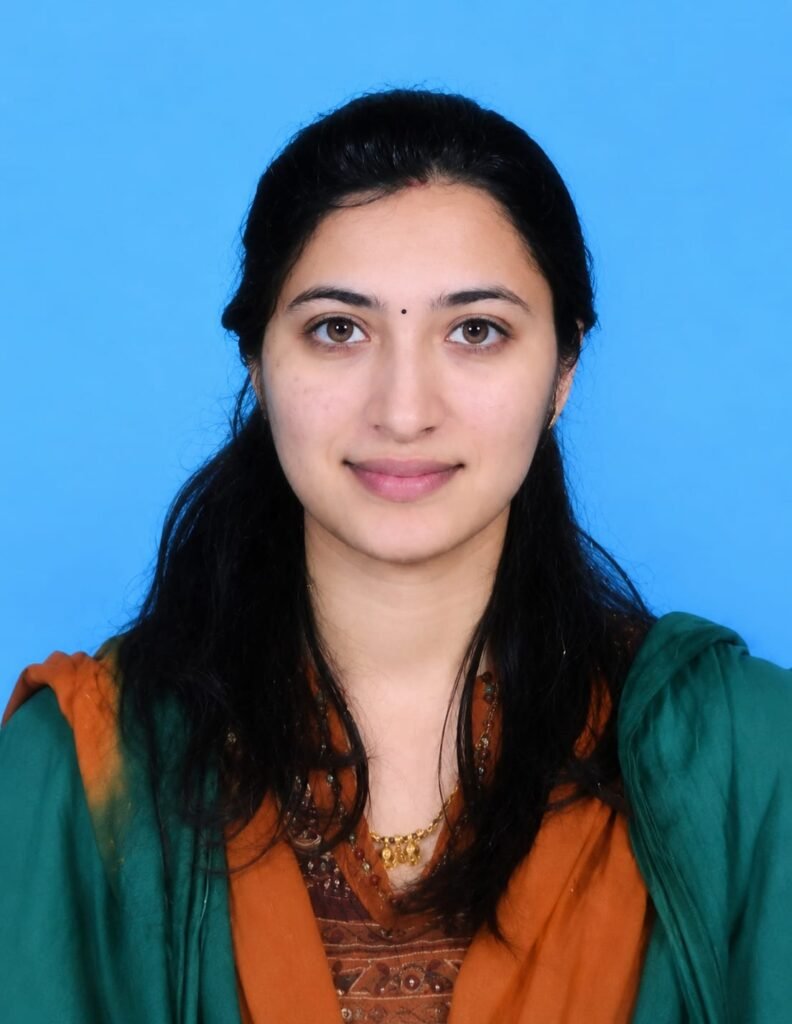
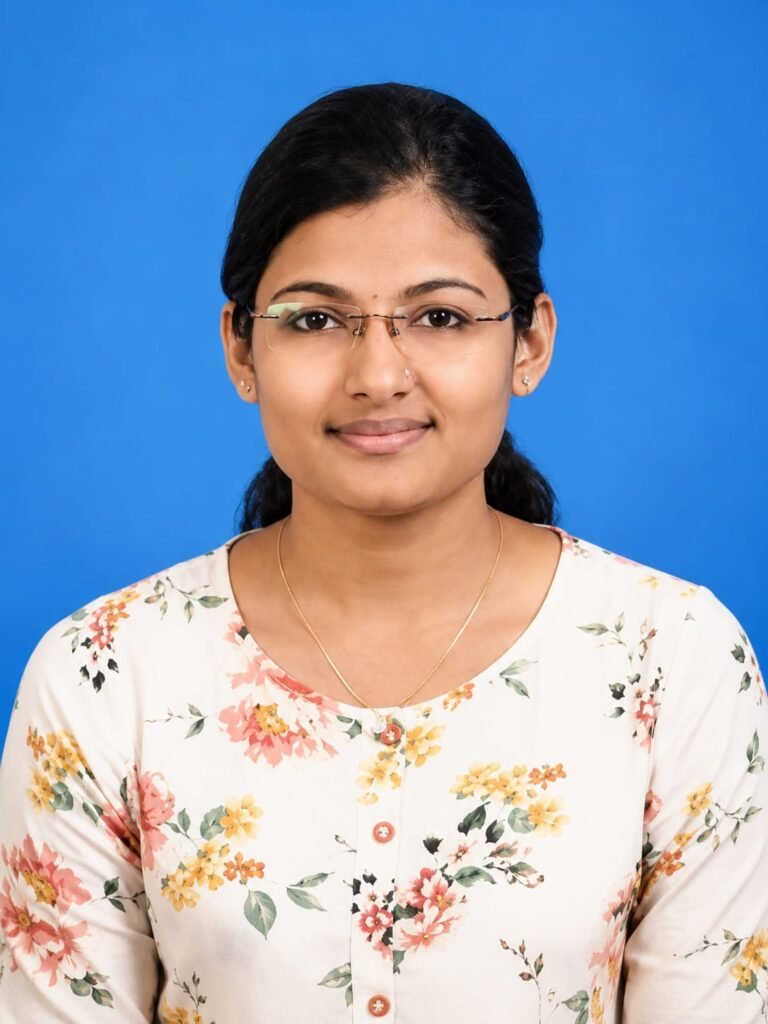
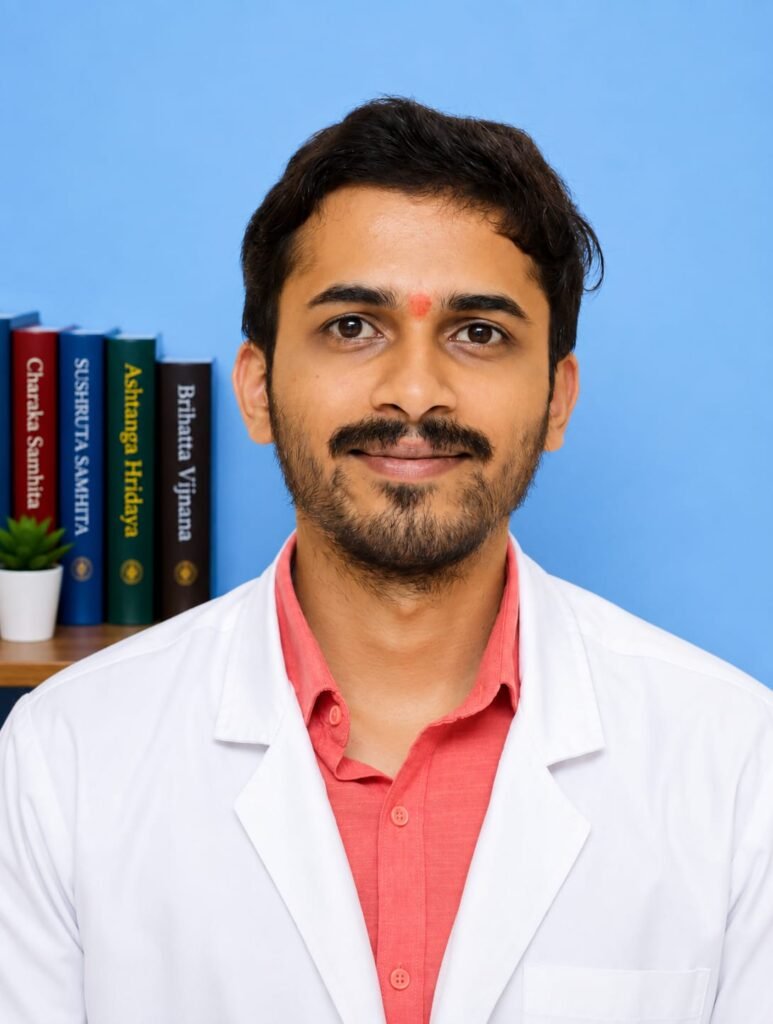
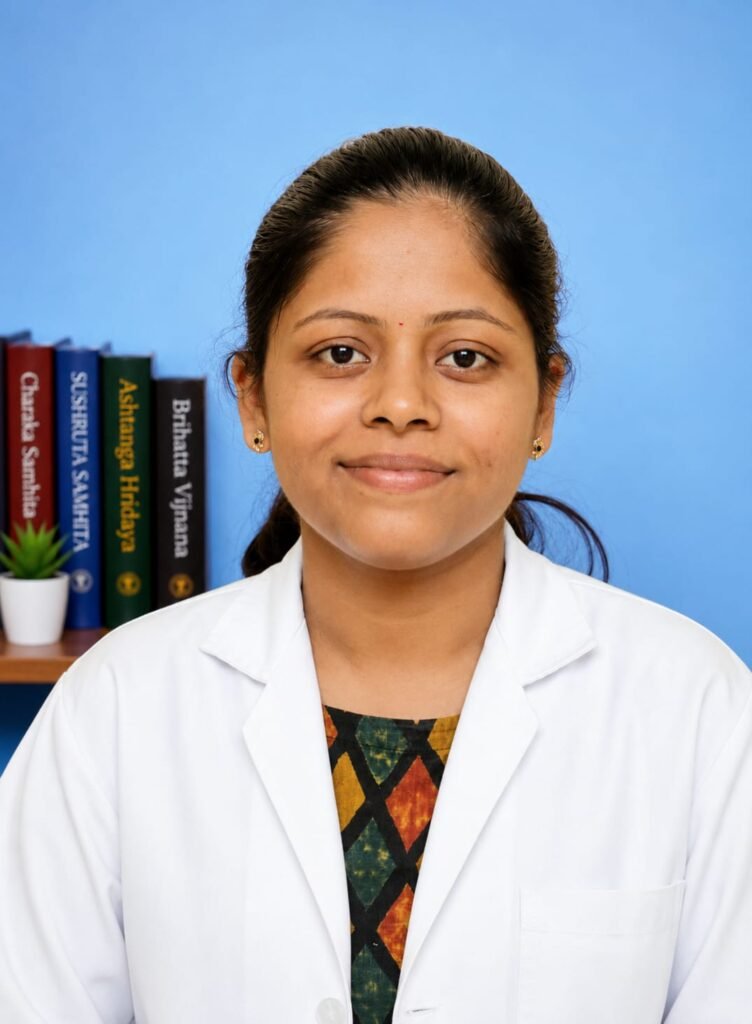
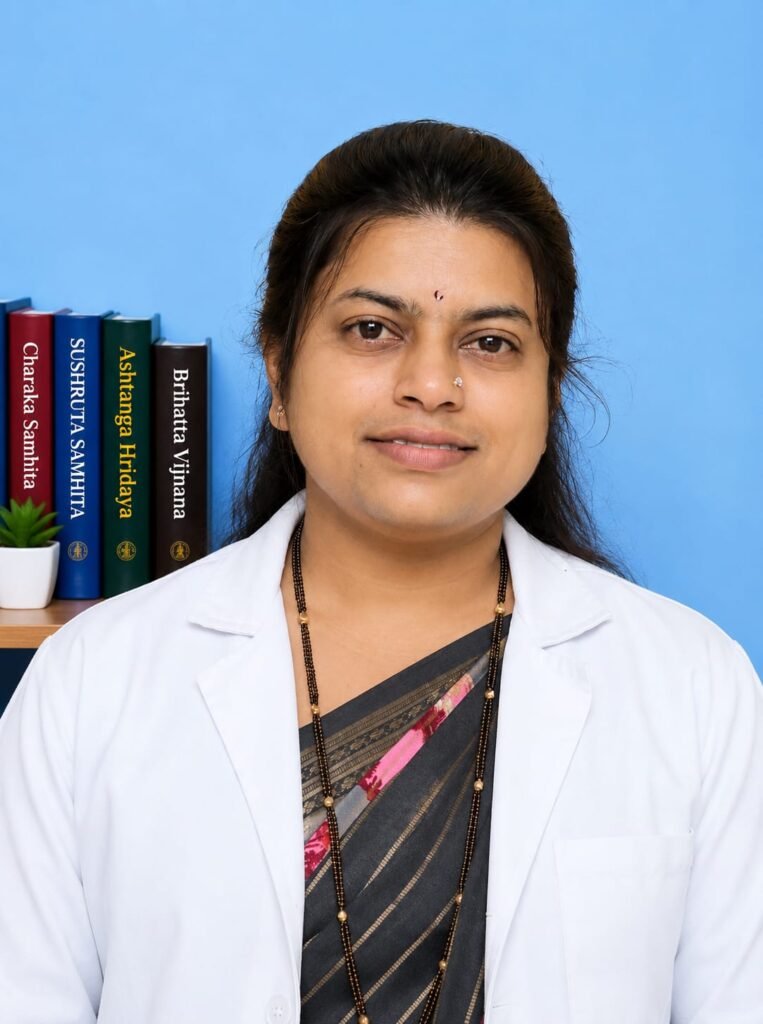
Dr Vidya M
Assistant professor


Faculty Name 3


Faculty Name 4


Dissection Hall
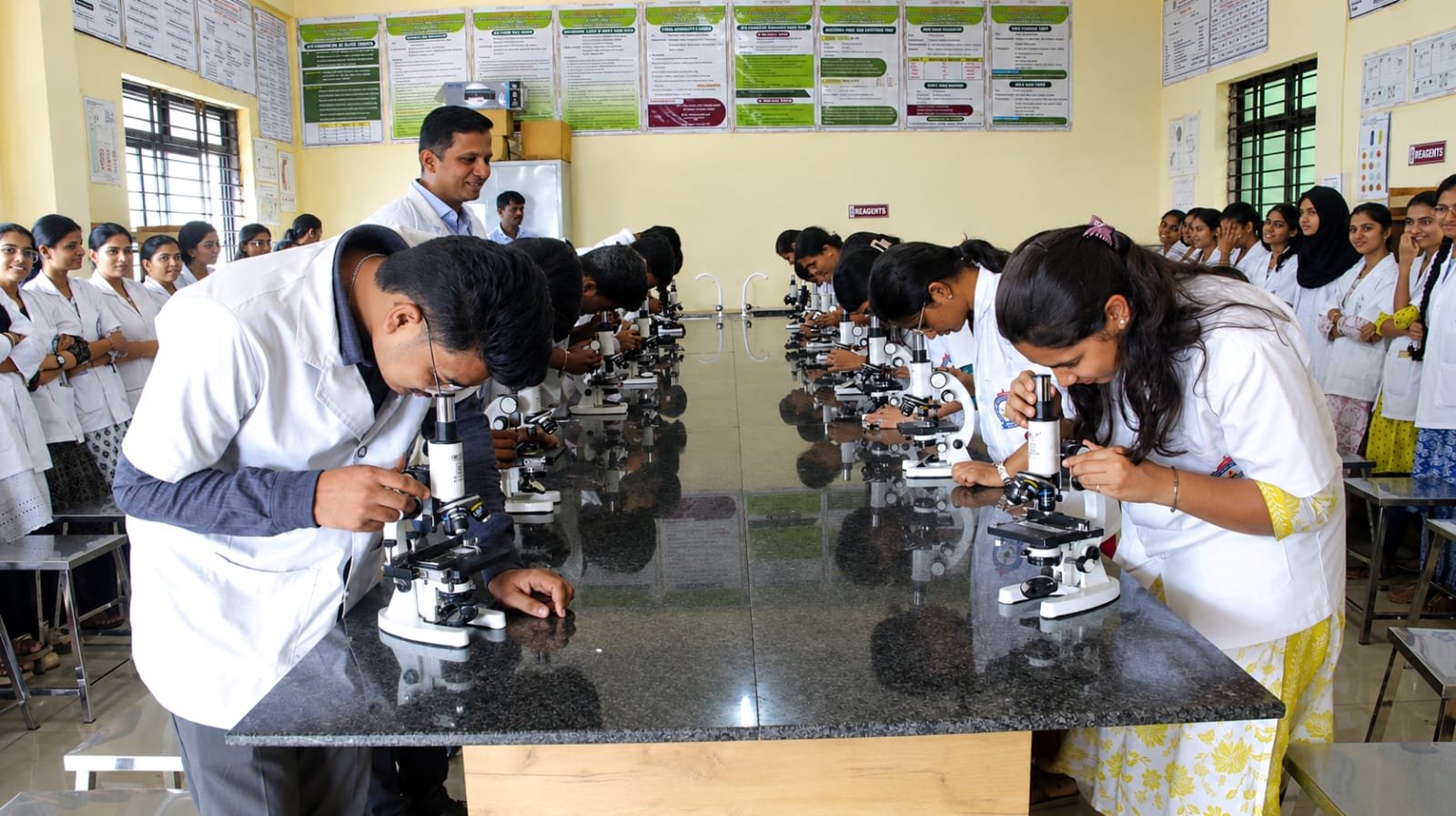
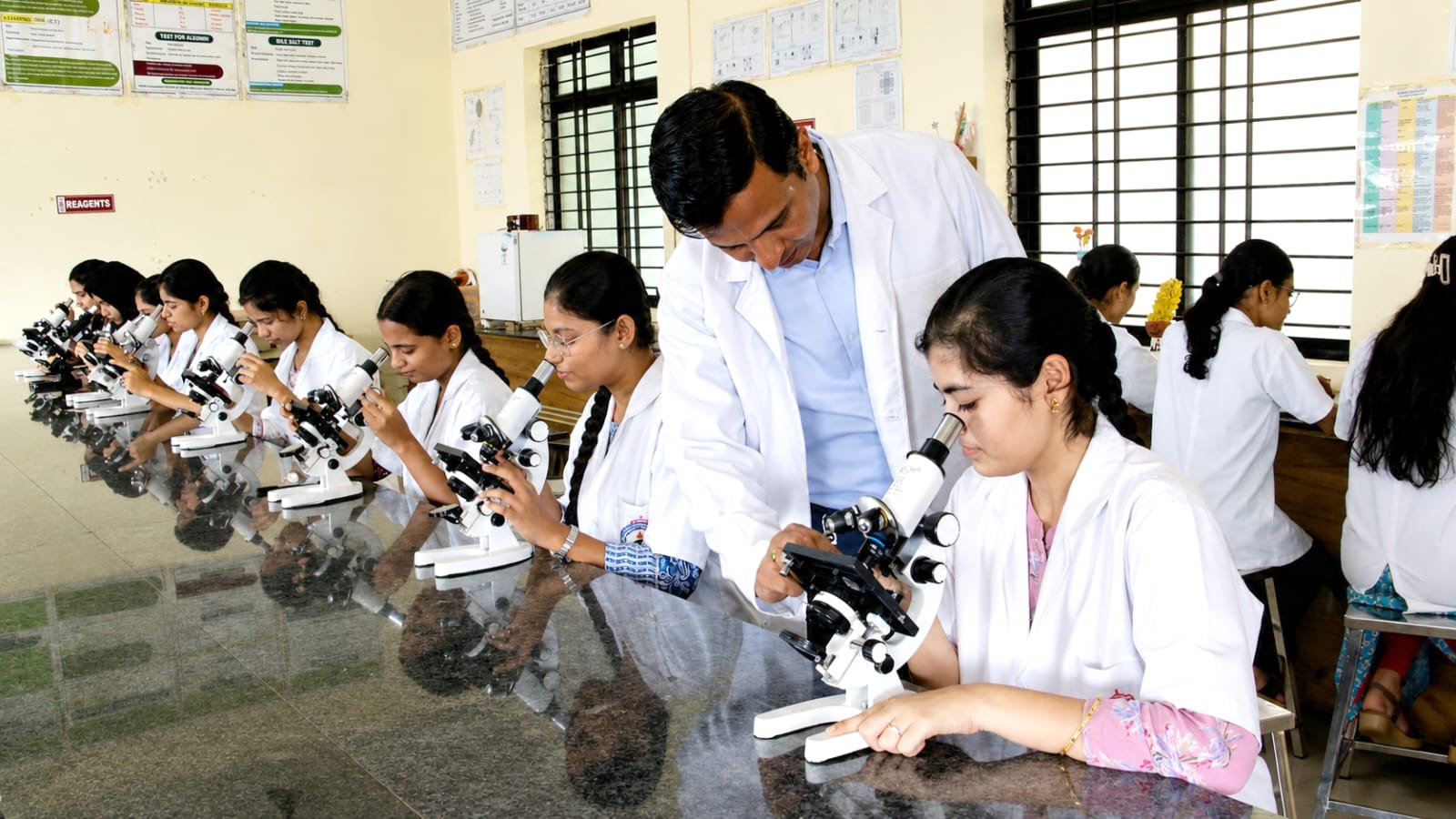
Histology Lab
Osteology Museum
Embryology
Marma Science
Srotas Study

2
Labs
107
Marma Points
16
Srotas
200+
Specimens

🎓 Academic Focus

  • ▸ Classical Ayurvedic anatomy (Sushruta Samhita)
  • ▸ Gross anatomy and cadaveric dissection
  • ▸ Histology and microscopy
  • ▸ Embryology and developmental anatomy
  • ▸ Marma Shastra and clinical application

🏛️ Facilities

  • ▸ State-of-the-art dissection hall
  • ▸ Well-equipped histology laboratory
  • ▸ Osteology and specimen museum
  • ▸ Anatomical models and charts
  • ▸ Digital learning resources
2

Ayurvedic Physiology

Shareera Kriya

Dr varun joshi
HOD / Professor


Shareera Kriya deals with the physiological functions of the human body through the dual lens of Ayurvedic theory and modern physiology. The department explores the concepts of Tridosha (Vata, Pitta, Kapha), Saptadhatu, Agni, Ojas, and their functional roles in maintaining health.

Students gain a thorough grounding in modern physiology and biochemistry alongside classical Ayurvedic functional concepts, preparing them for evidence-based clinical practice.

Dr Pushpa puranik
Professor


Dr Rashmi Patil Assistant Professor


Faculty Name 3


Faculty Name 4


Tridosha Theory
Physiology Lab
Biochemistry
Agni Science
Dhatu Metabolism
Ojas Study

3
Doshas
7
Dhatus
13
Types of Agni
5
Pranas

🎓 Academic Focus

  • ▸ Tridosha physiology and clinical correlation
  • ▸ Saptadhatu formation and metabolism
  • ▸ Agni types and digestive physiology
  • ▸ Modern biochemistry and lab methods
  • ▸ Pranavaha and other Srotas functions

🏛️ Facilities

  • ▸ Physiology laboratory with modern equipment
  • ▸ Biochemistry analysis instruments
  • ▸ Clinical physiology practical kits
  • ▸ Audiovisual teaching aids
  • ▸ Research reference library
3
Classical Texts & Principles

Samhita Siddhanta

Dr Jyothi biradar
HOD / Professor


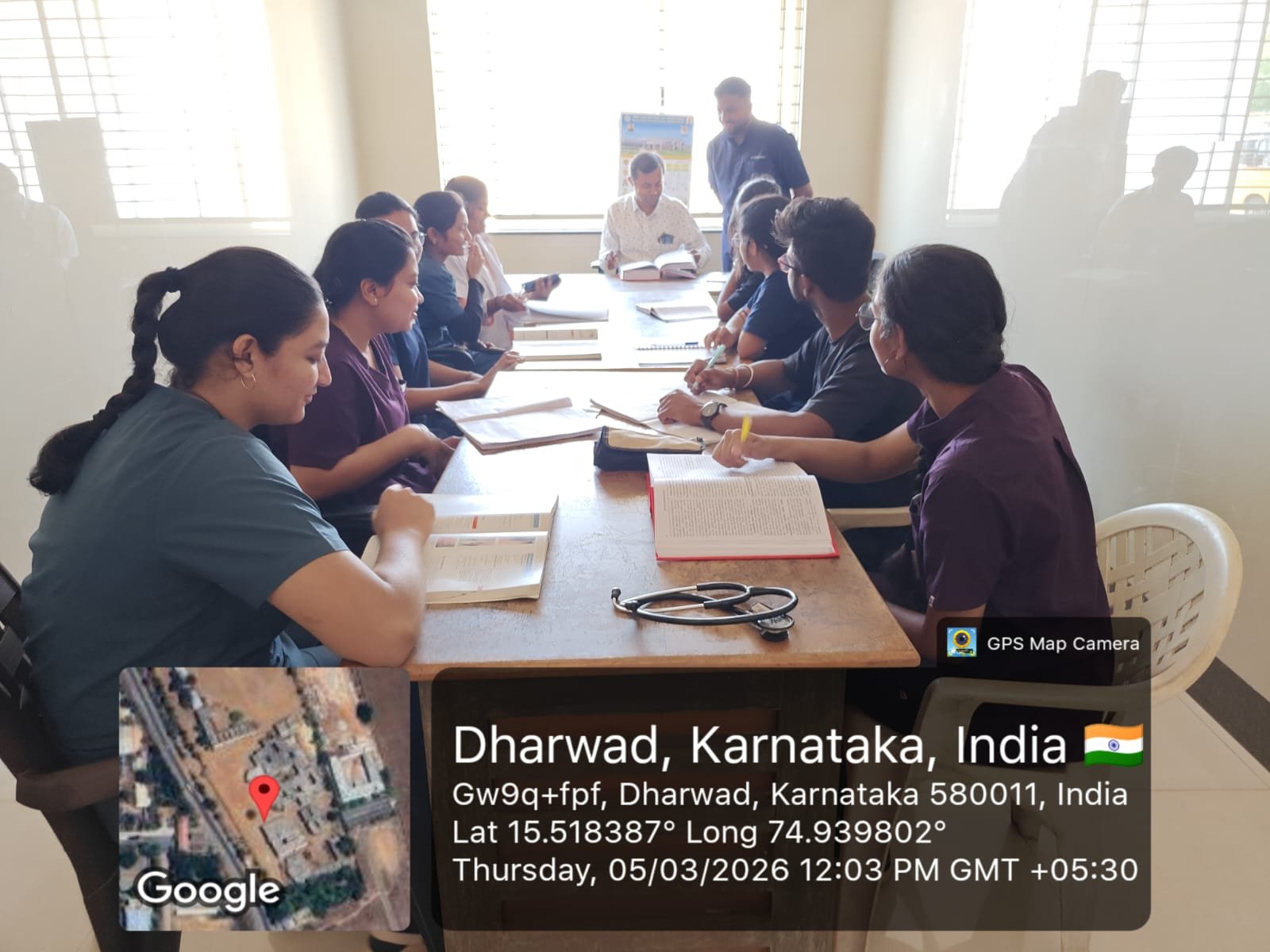
The Department of Samhita Siddhanta is the philosophical and literary backbone of Ayurvedic education. It covers the study of foundational texts — Charaka Samhita, Ashtanga Hridayam, Sushruta Samhita, and related classical works — along with Sanskrit language and Padartha Vignana.

Students develop the ability to read, interpret, and critically analyse Ayurvedic classical literature, building a strong conceptual foundation that supports all clinical disciplines throughout the BAMS programme.

Dr shweta sindagi
Assistant professor


Dr Annapoorna Hegde


Faculty Name 3


Faculty Name 4


Charaka Samhita
Ashtanga Hridaya
Sanskrit
Padartha Vignana
Ayurvedic Philosophy
History of Medicine

3
Major Samhitas
120
Chapters
8
Branches
5000+
Yrs of Science

🎓 Academic Focus

  • ▸ Charaka Samhita — Sutrasthana to Kalpasthana
  • ▸ Ashtanga Hridaya — all eight divisions
  • ▸ Sanskrit grammar and medical terminology
  • ▸ Padartha Vignana (Ayurvedic logic)
  • ▸ History and philosophy of Indian medicine

🏛️ Facilities

  • ▸ Classical text library with rare manuscripts
  • ▸ Sanskrit language learning aids
  • ▸ Seminar and discussion hall
  • ▸ Digital text repository
  • ▸ Research support for classical interpretations
4
Ayurvedic Pharmacognosy

Dravyaguna

Dr Ravi c kundgol
HOD / Professor


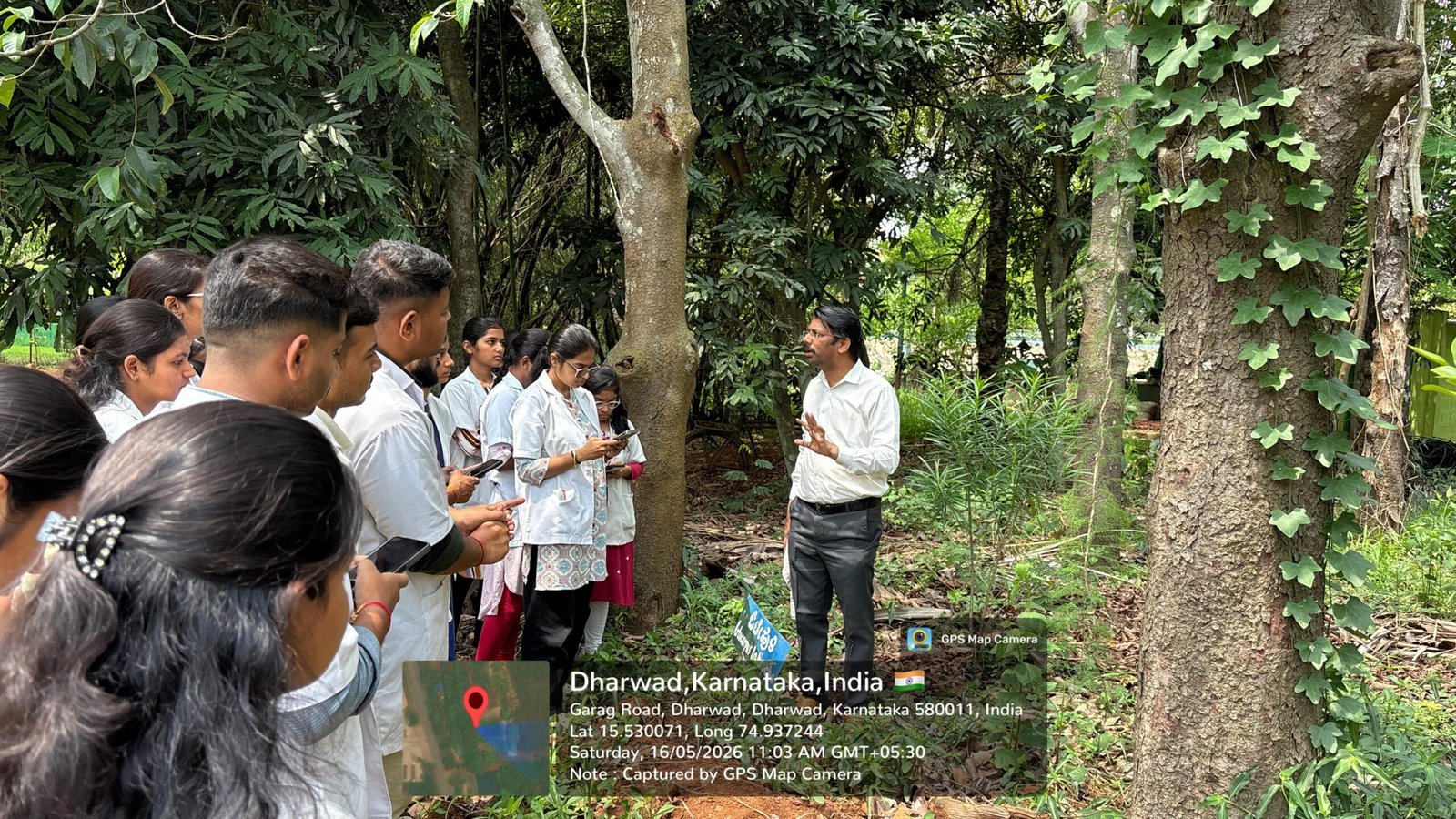
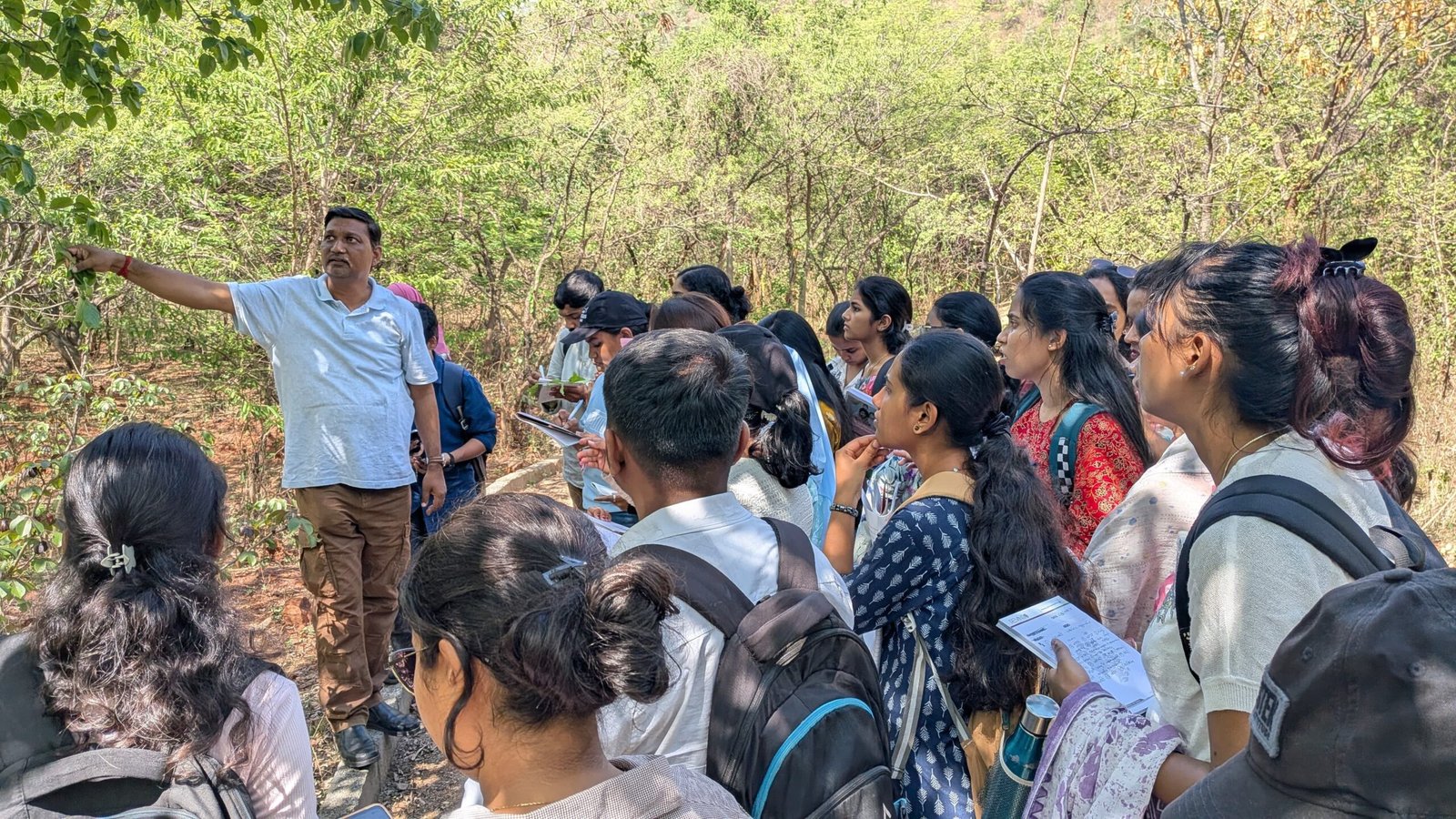
Dravyaguna is the science of Ayurvedic medicinal substances. Students study the Rasa (taste), Guna (properties), Veerya (potency), Vipaka (post-digestive effect), and Prabhava (special action) of over 600 medicinal plants, minerals, and animal products used in Ayurvedic medicine.

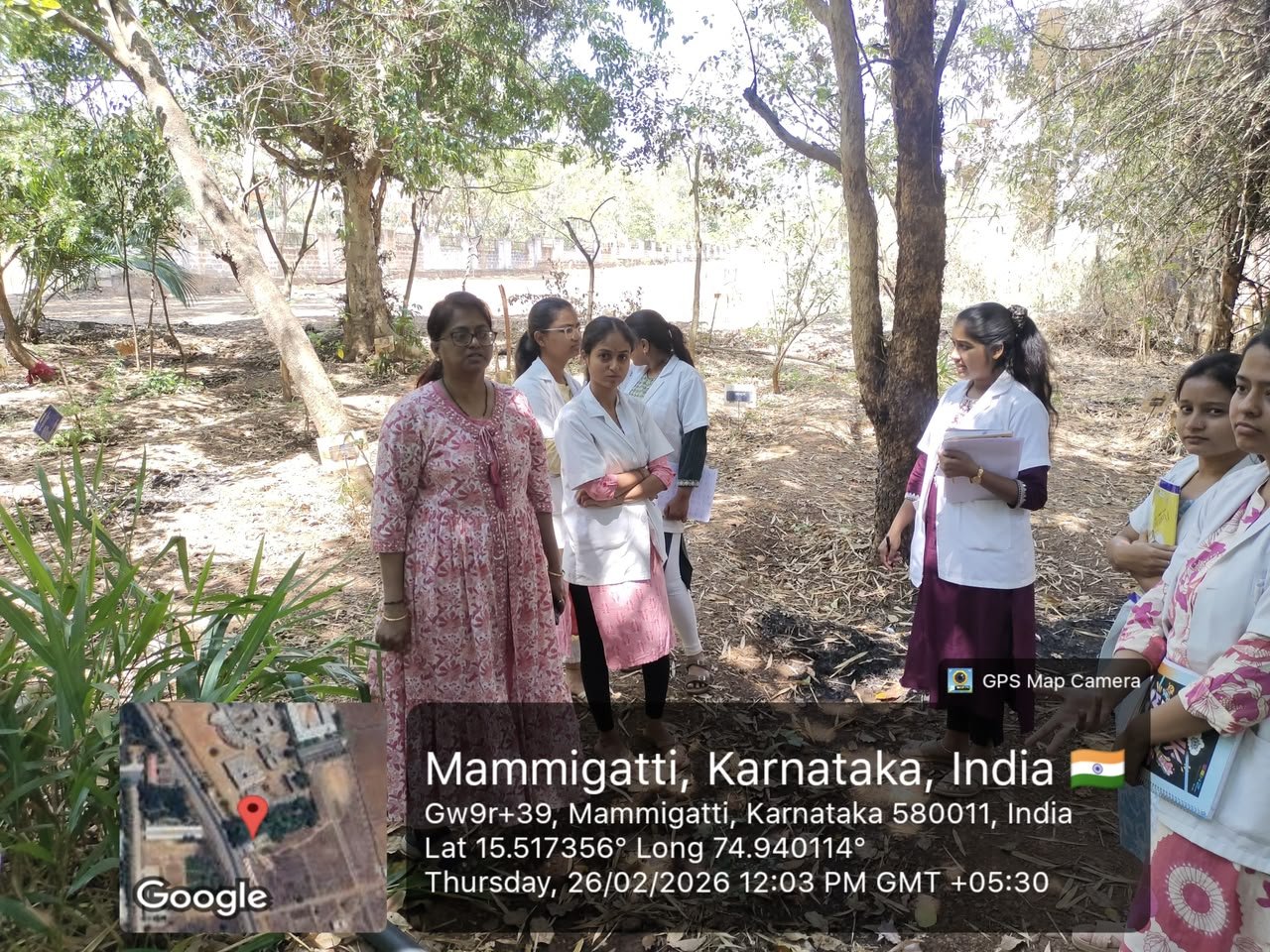
The department maintains a living herbal garden and drug museum where students practice identification of authentic raw drug materials, preparing them for clinical prescription and pharmaceutical work.

Dr Manjunath Yallappa Lande
Professor


Dr sneha M malagoudar
Assistant professor


Faculty Name 3


Faculty Name 4


Herbal Garden
Drug Museum
Plant Identification
Rasa-Guna-Veerya
Pharmacology
Ethnobotany

600+
Medicinal Plants
6
Rasas
20
Gunas
2
Veeryas

🎓 Academic Focus

  • ▸ Identification and authentication of medicinal plants
  • ▸ Rasa-Guna-Veerya-Vipaka-Prabhava analysis
  • ▸ Classical drug groupings (Gana/Varga)
  • ▸ Modern pharmacognosy and pharmacology
  • ▸ Ethnobotany and conservation of medicinal flora

🏛️ Facilities

  • ▸ Medicinal herbal garden on campus
  • ▸ Drug museum with 500+ specimens
  • ▸ Pharmacognosy laboratory
  • ▸ Herbarium and plant identification tools
  • ▸ Photographic documentation of plants
5
Preventive Medicine & Yoga

Swasthavritta

Dr vishwanath S Hiremath
Hod and professor


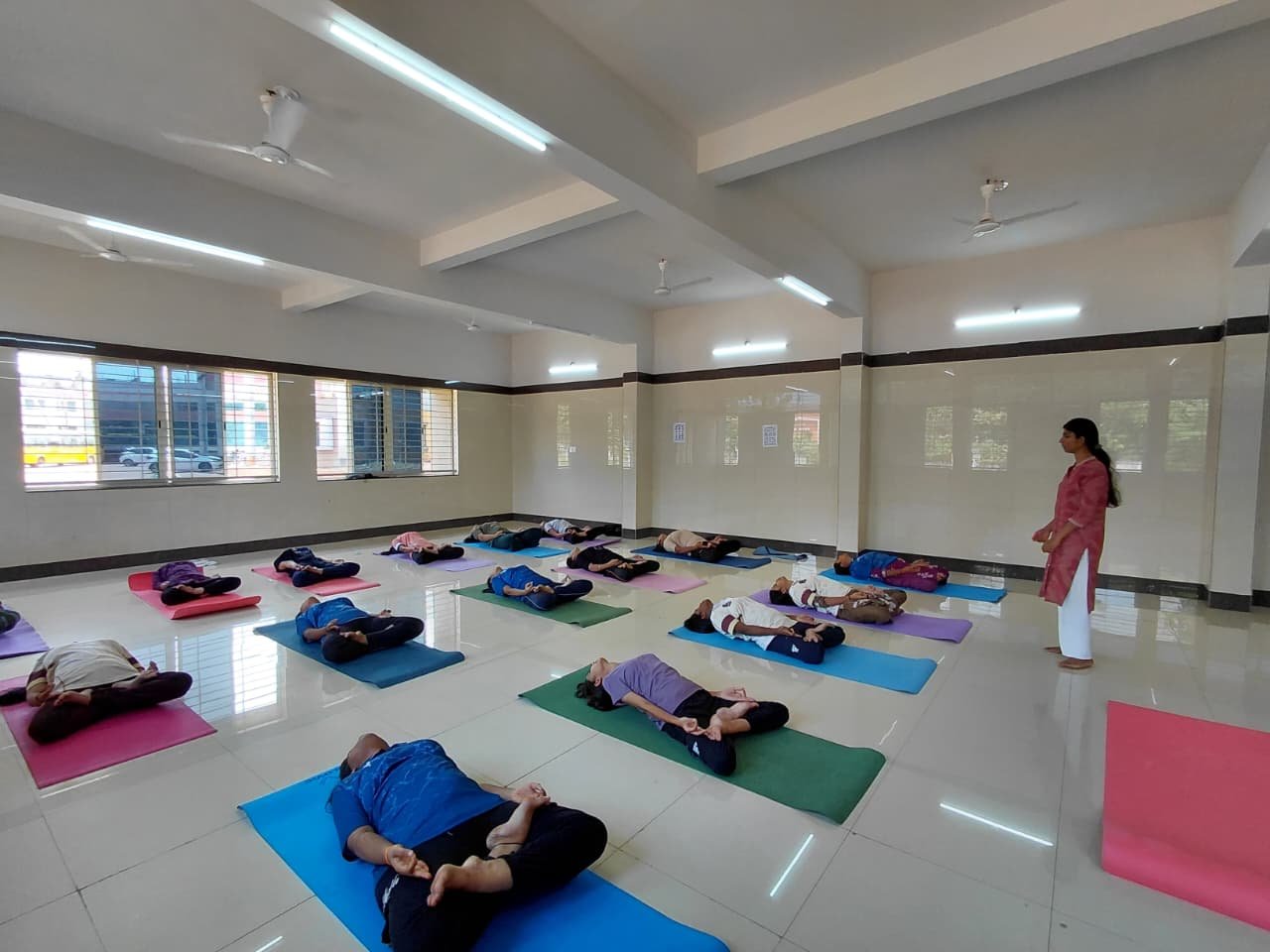
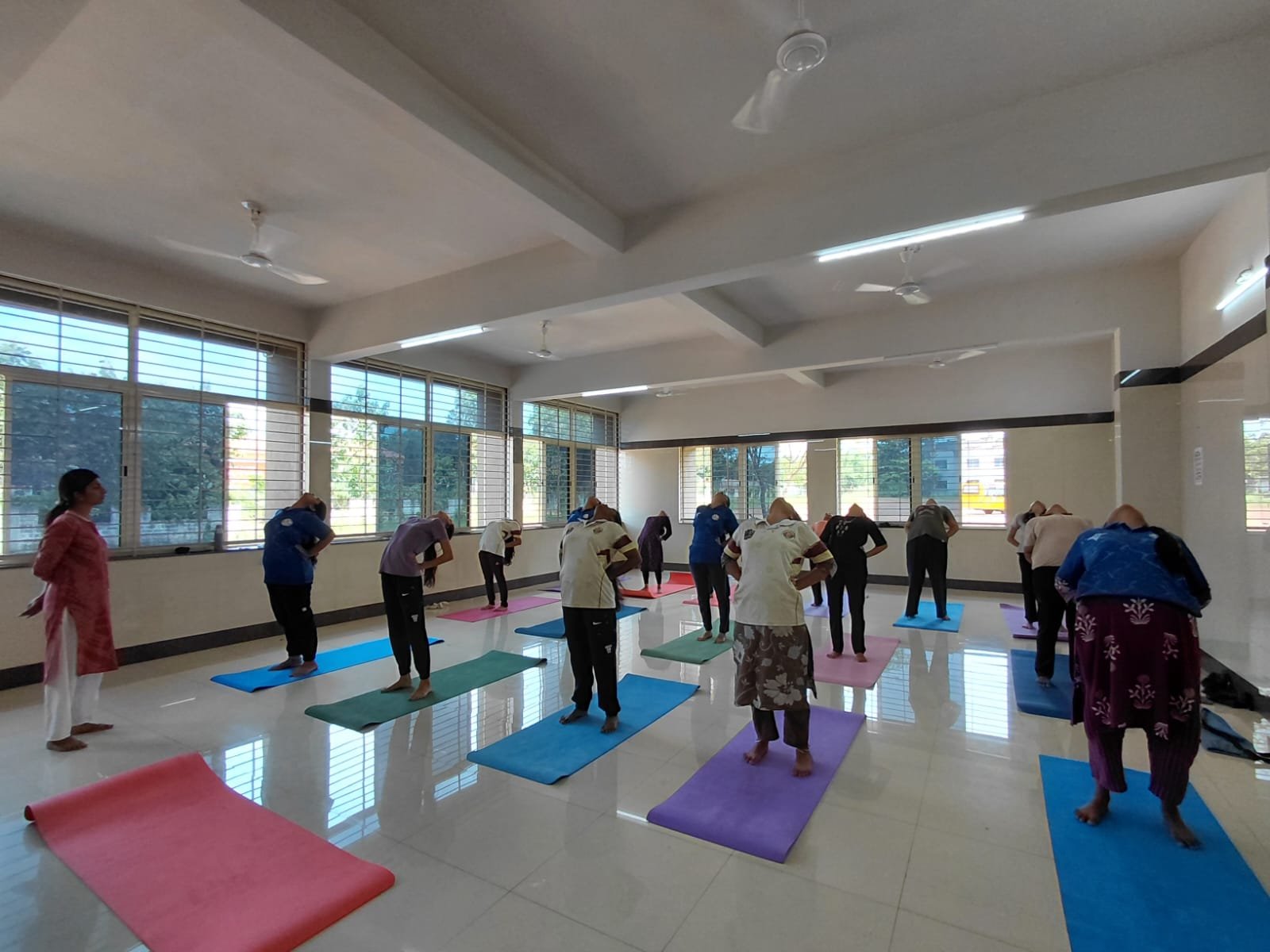
Swasthavritta is Ayurveda’s comprehensive system of preventive healthcare. The department covers Dinacharya (daily regimen), Ritucharya (seasonal regimen), Sadvritta (ethical conduct), Sadaachara, and the therapeutic application of Yoga in maintaining health and preventing disease.

Students are trained in community health practices, health education, and public health outreach — equipping them to promote wellness at both individual and population levels through Ayurvedic principles.

Dr Gahnavi C V
Assistant professor


Dr Vani adke
Assistant professor


Faculty Name 3


Faculty Name 4


Yoga Therapy
Dinacharya
Community Health
Ritucharya
Health Camps
Sadvritta

6
Seasons
84
Yoga Asanas
10+
Camps/Year
8
Limbs of Yoga

🎓 Academic Focus

  • ▸ Dinacharya and Ritucharya in clinical practice
  • ▸ Yoga therapy for lifestyle diseases
  • ▸ Community health and public health Ayurveda
  • ▸ Sadaachara and Sadvritta for mental health
  • ▸ School health and occupational health

🏛️ Facilities

  • ▸ Dedicated Yoga practice hall
  • ▸ Community health outreach vehicle
  • ▸ Health education materials
  • ▸ Meditation and wellness room
  • ▸ Student health camps coordination
6
Ayurvedic Pharmacy
Rasa Shastra evam Bhaishajya Kalpana
Dr vijaymahantesh soppimath
HOD and professor


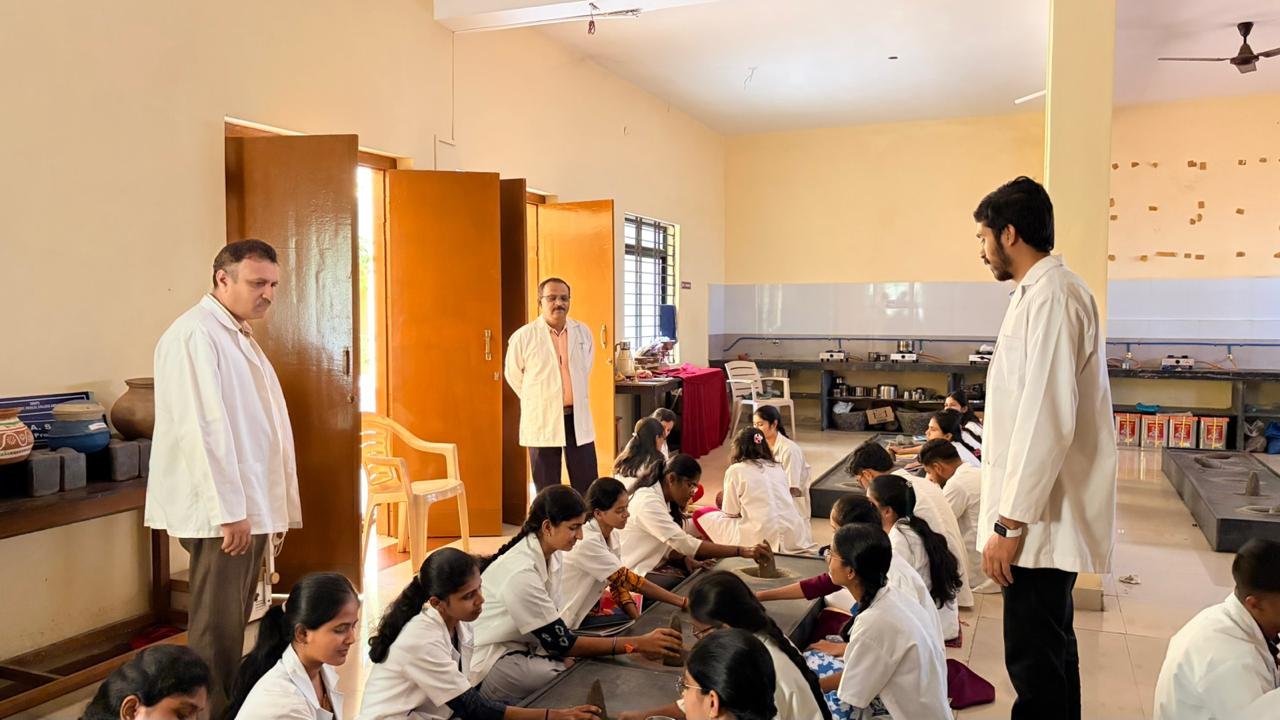
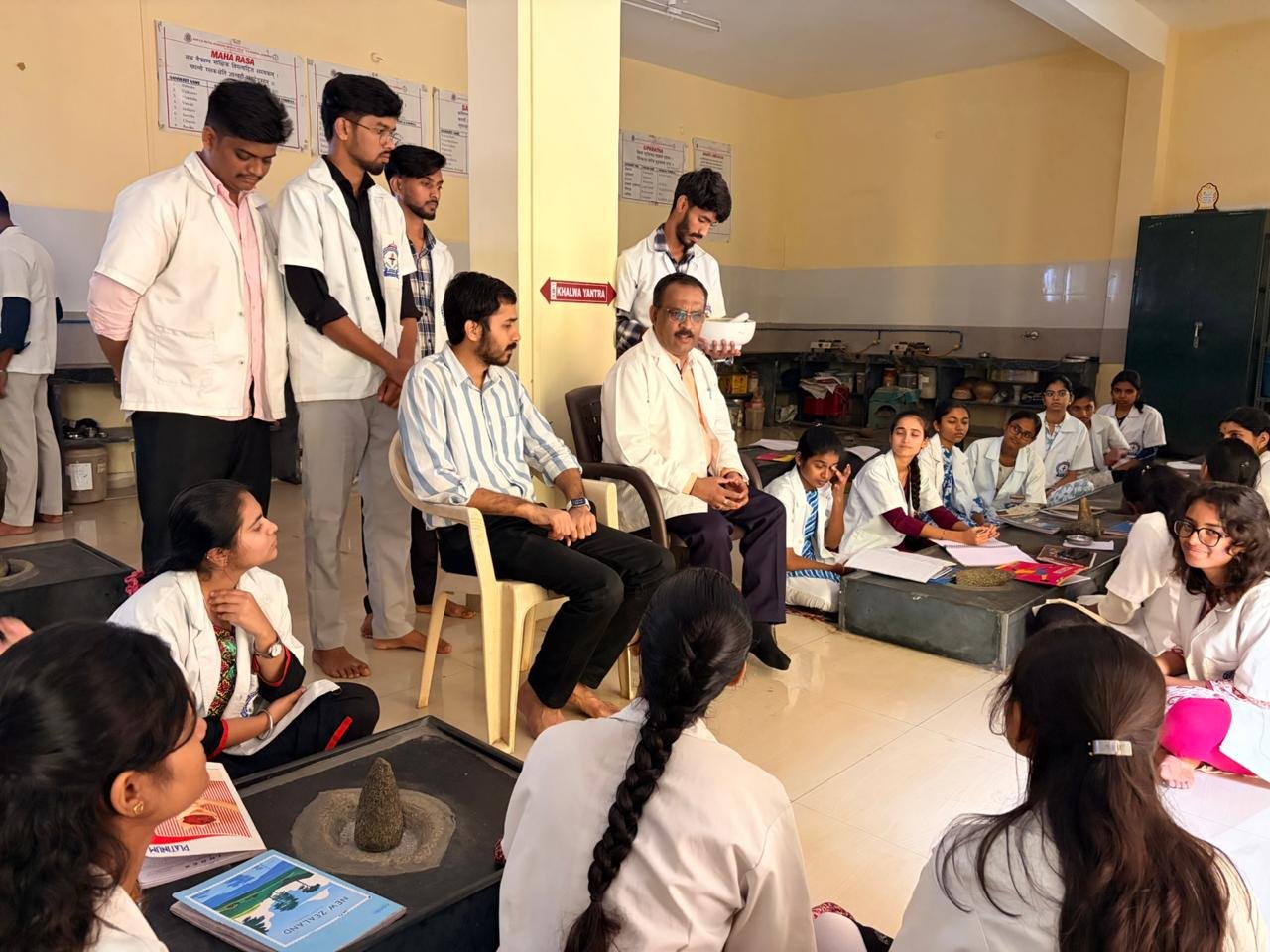
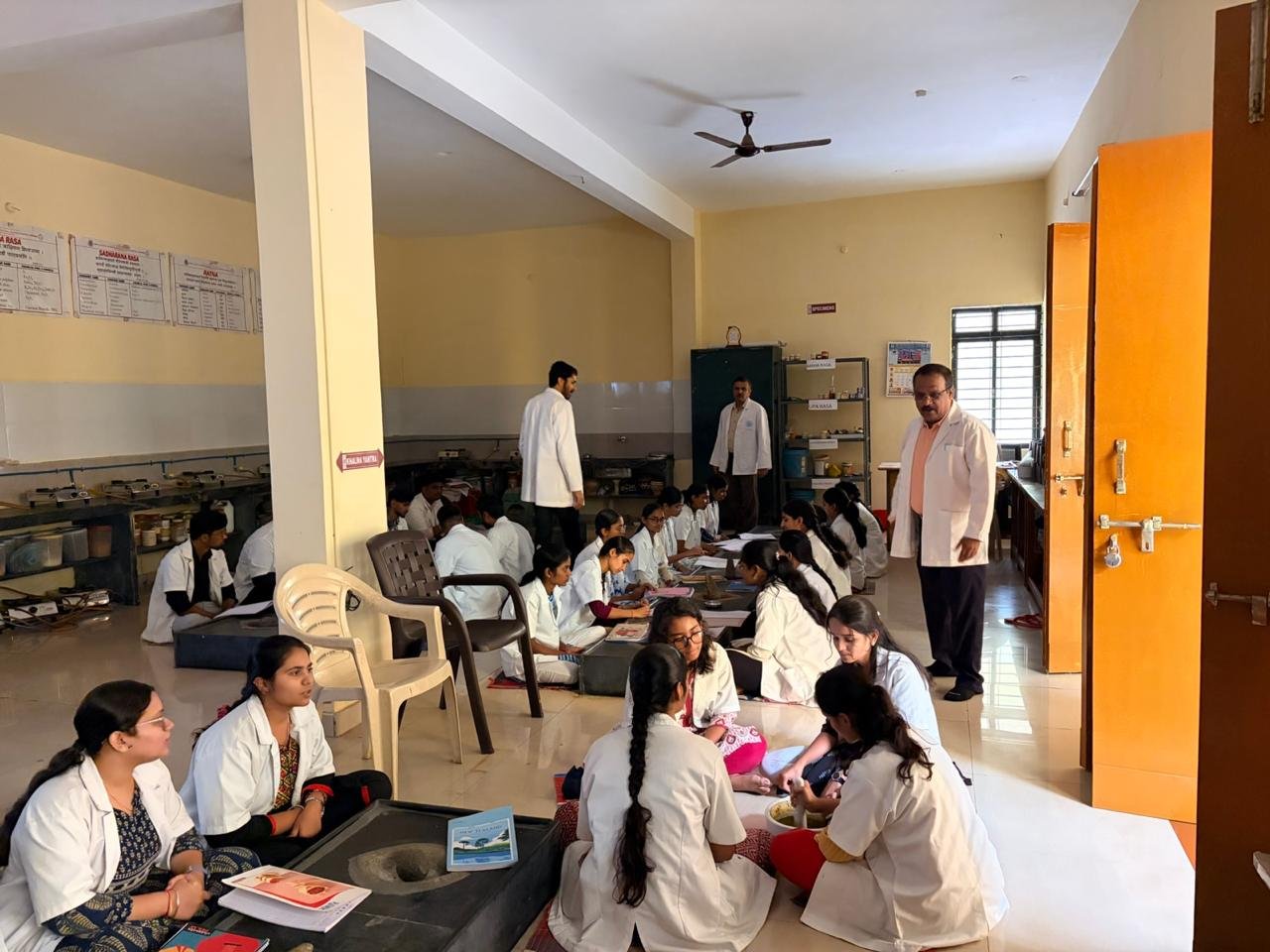
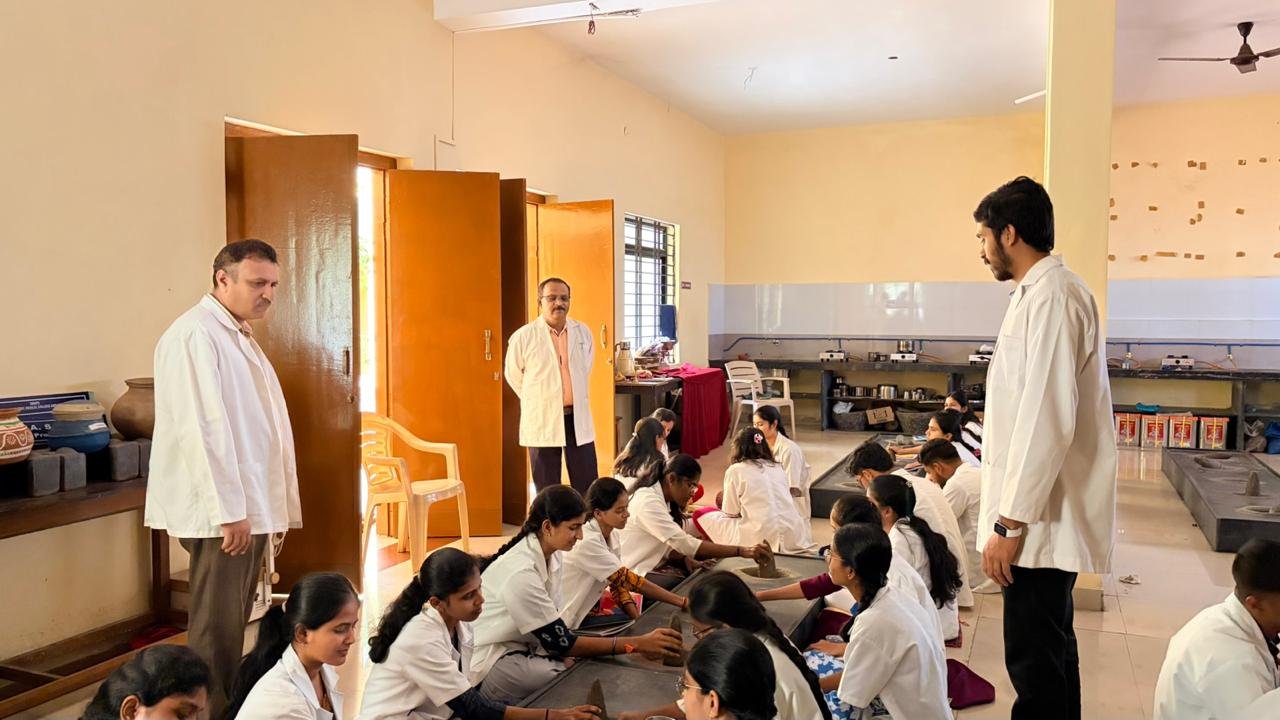
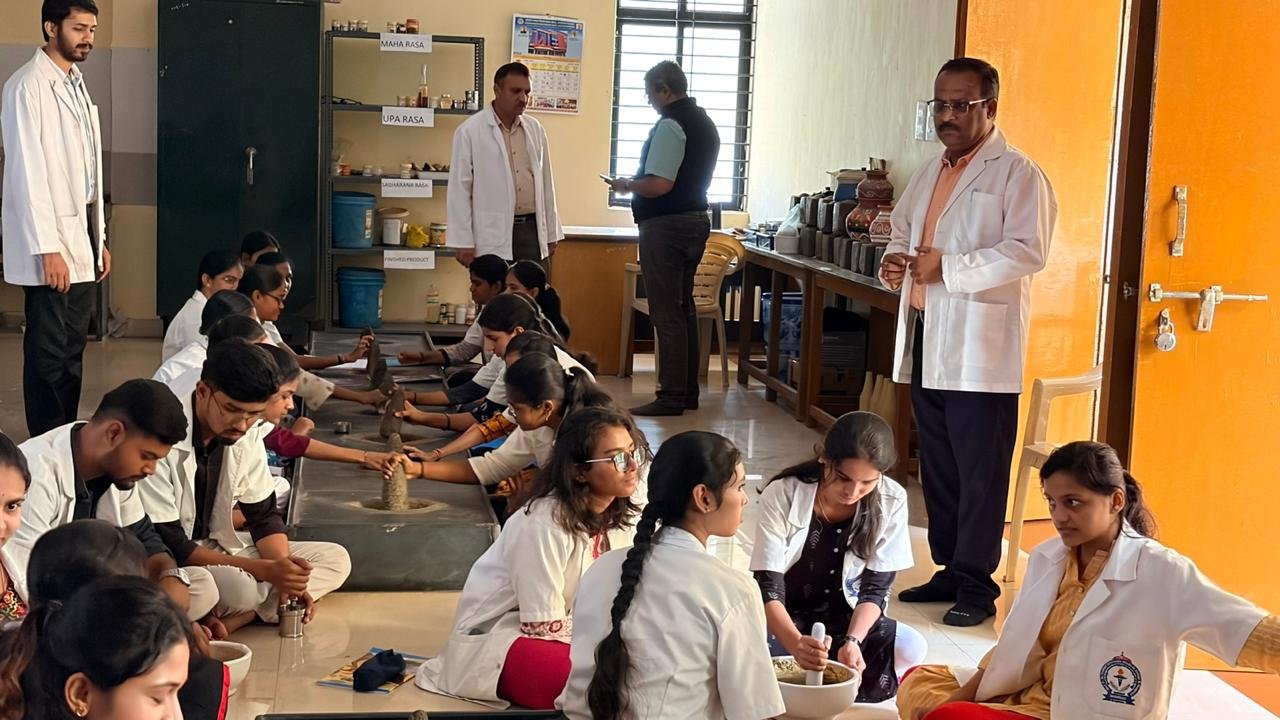
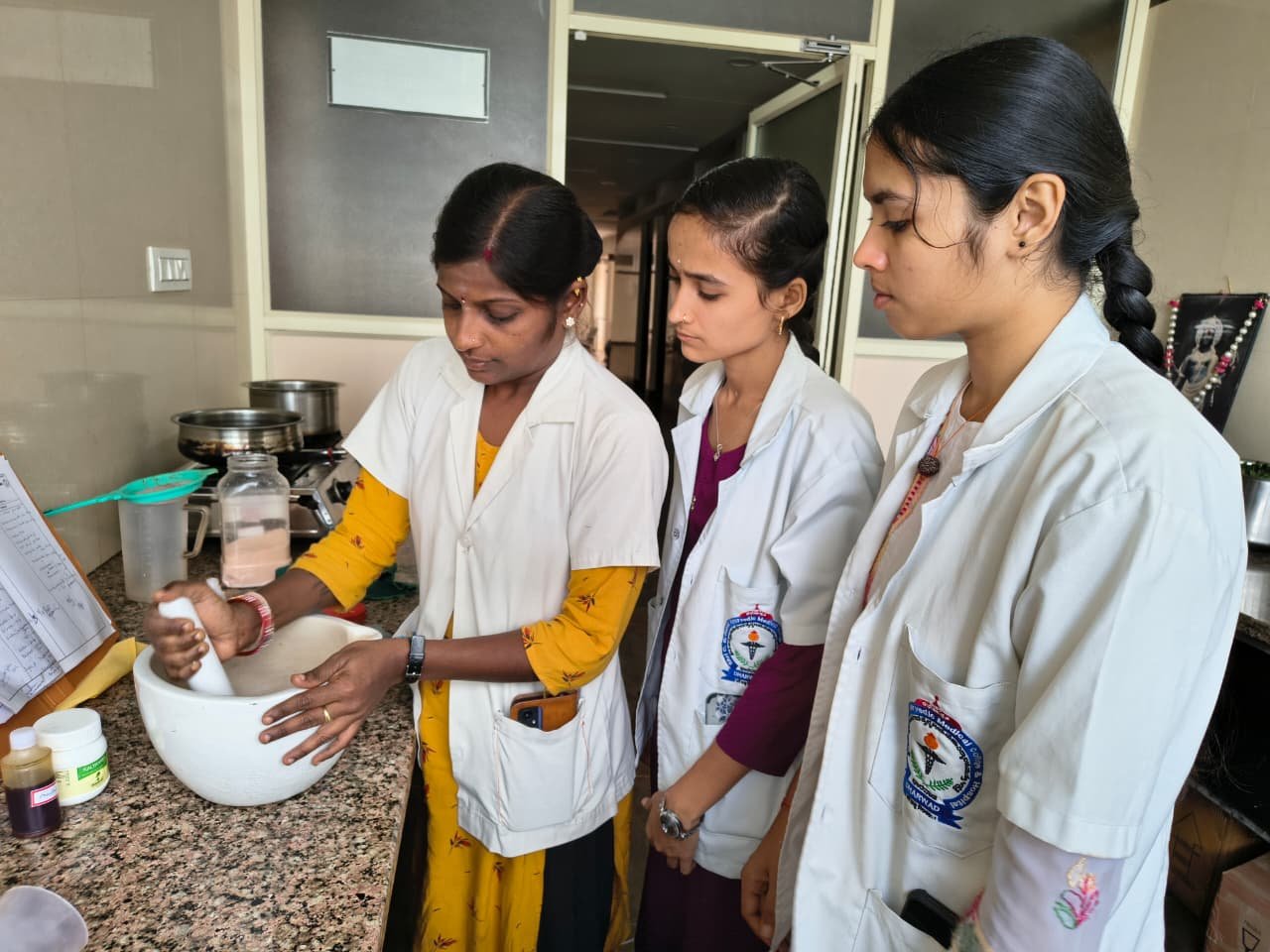
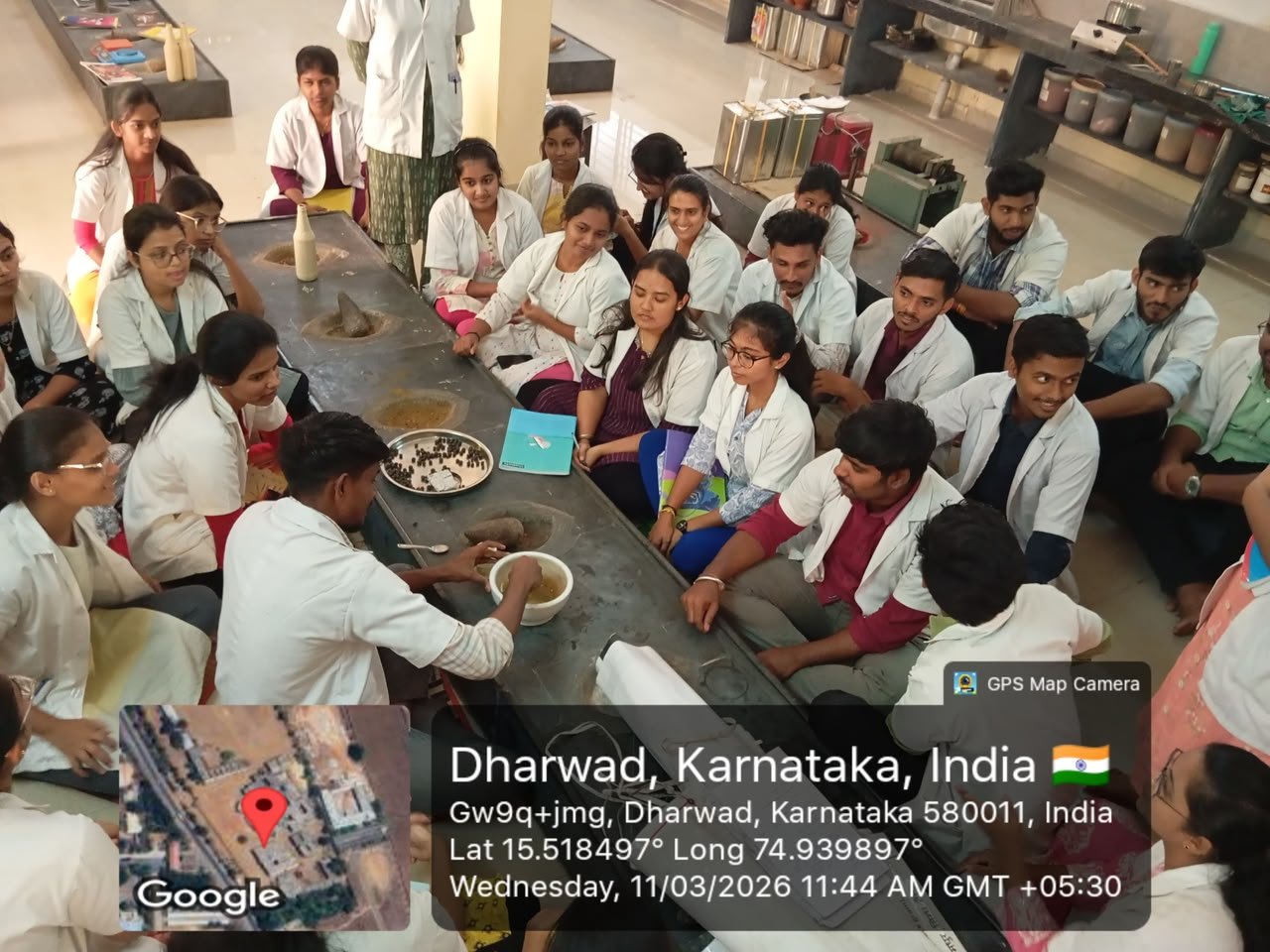
Rasa Shastra covers the preparation and purification of metallic, mineral, and herbo-mineral formulations — a unique and highly specialised branch of Ayurvedic pharmacy. Bhaishajya Kalpana deals with the preparation of classical herbal formulations including decoctions, powders, medicated oils, and fermented preparations.

Students receive hands-on pharmaceutical training in a well-equipped pharmacy laboratory, learning both the classical methods and quality control standards applicable to modern practice.

Dr Mahantswami Hiremath
Associate professor


Dr Chaitanya S Badami
Assistant professor


Faculty Name 3


Faculty Name 4


Pharmacy Lab
Rasa Aushadhi
Herbal Formulations
Shodhana-Marana
Asava-Arishta
Quality Control

32
Dosage Forms
64
Shodhana Methods
8
Types of Parada
100+
Formulas

🎓 Academic Focus
  • Rasa — mercury purification and formulations
  • Bhasma preparation (calcined metallic ash)
  • Classical herbal formulation preparation
  • Asava, Arishta, Ghrita, Taila manufacturing
  • Quality control and standardisation
🏛️ Facilities
  • Pharmacy manufacturing laboratory
  • Rasa Shala (alchemical workshop)
  • Quality testing instruments
  • Classical Ayurvedic formulation museum
  • Raw material dispensary
7
Ayurvedic Pathology
Roga Nidana evam Vikruti Vignana
Dr S T Hombal
HOD and Professor


Roga Nidana is the Ayurvedic science of disease causation, pathogenesis, and diagnosis. Students learn the Nidana Panchaka — the five-fold diagnostic methodology comprising Nidana (causative factors), Purvarupa (prodromal symptoms), Rupa (clinical features), Upashaya (therapeutic test), and Samprapti (pathogenesis).

The department integrates Ayurvedic diagnostic methods with modern clinical pathology and laboratory investigation techniques, equipping students for comprehensive patient assessment.

Dr Anuradha Huddar
Associate professor


Dr Suman M malagoudar
Assistant professor


Faculty Name 3


Faculty Name 4


Nidana Panchaka
Pathology Lab
Samprapti Vignana
Lab Investigations
Vikruti Analysis
Clinical Diagnosis

5
Nidana Factors
6
Kriya Kalas
80+
Lab Tests
4
Pariksha Methods

🎓 Academic Focus
  • Nidana Panchaka and clinical correlation
  • Samprapti (disease pathogenesis) analysis
  • Modern clinical pathology
  • Laboratory interpretation skills
  • Rogi and Roga Pariksha methods
🏛️ Facilities
  • Clinical pathology laboratory
  • Haematology and urine analysis equipment
  • Diagnostic case study centre
  • Clinical skills training room
  • Patient case documentation system
8
Toxicology & Medical Jurisprudence
Agada Tantra evam Vyavahar Ayurveda
Dr shivakumar sajjanar
HOD / Professor


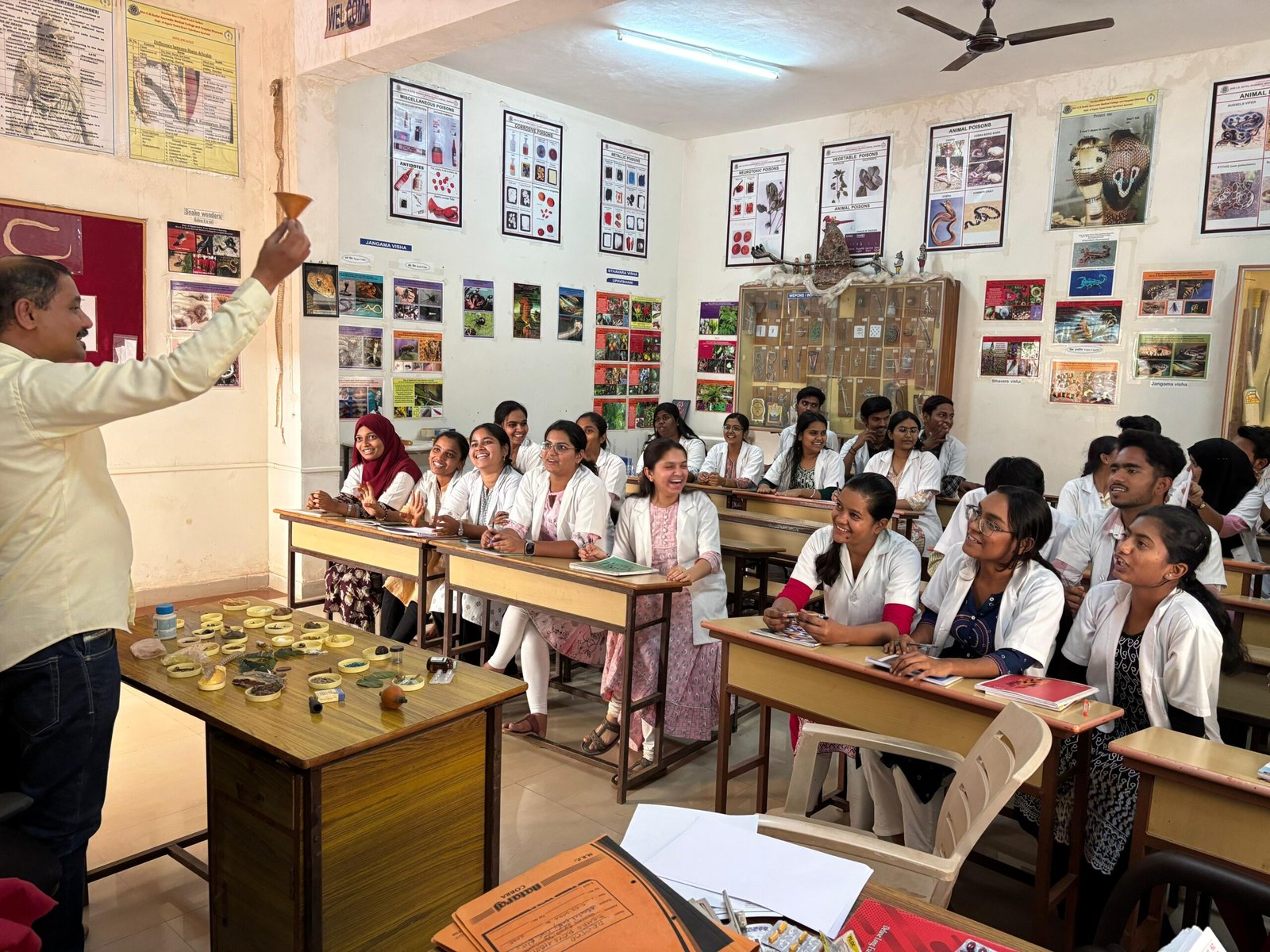
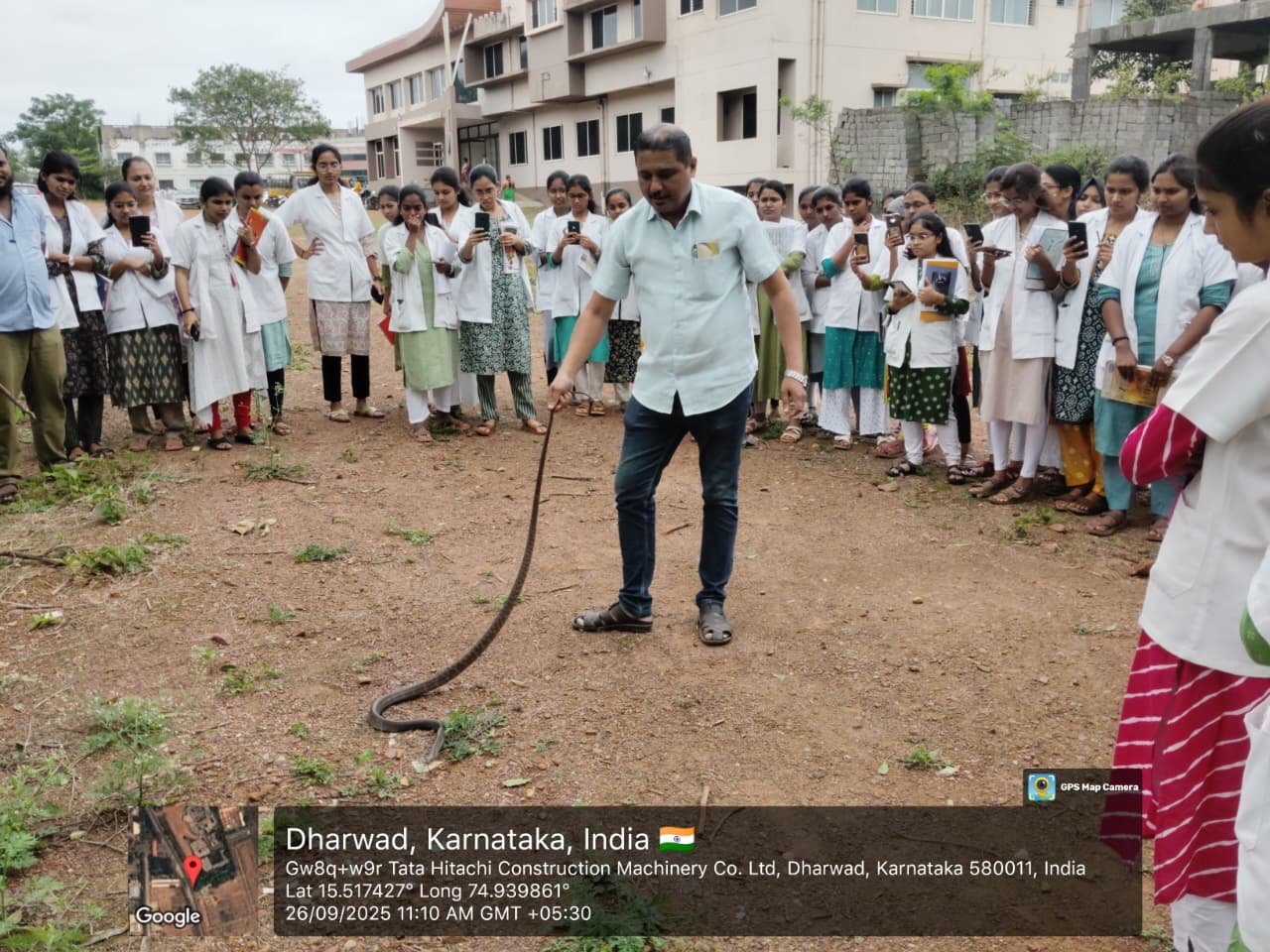
Agada Tantra is the Ayurvedic system of toxicology and antidote science. The department covers Sthavara Visha (plant poisons), Jangama Visha (animal venoms), Kritima Visha (artificial toxins), and Dooshivisha (chronic subclinical toxins), along with their Ayurvedic management.

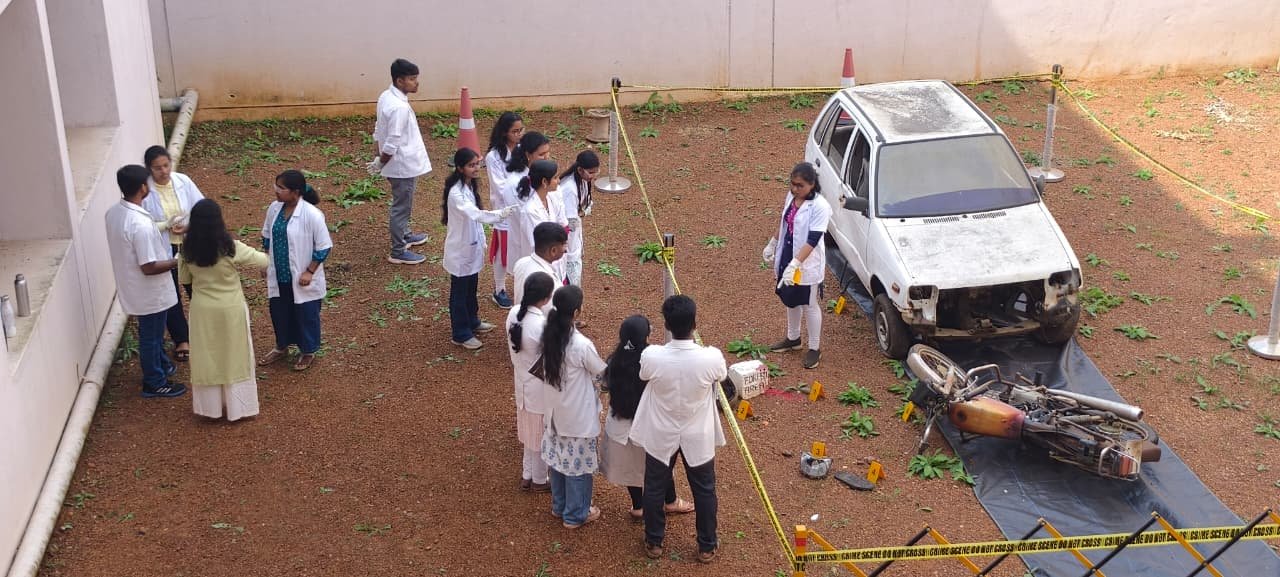
Vyavahar Ayurveda — the medico-legal branch — prepares students for their role as medical practitioners in legal proceedings, forensic examinations, and professional ethical conduct.

Dr Deepak Mummigatti
Professor


Faculty Name 2


Faculty Name 3


Faculty Name 4


Visha Vignana
Forensic Medicine
Medical Jurisprudence
Snake Bite Management
Legal Medicine
Dooshivisha

4
Visha Types
8
Visha Gunas
16
Agada Yogas
10
Antidote Groups

🎓 Academic Focus
  • Classification and properties of poisons
  • Ayurvedic antidotes and Agada preparations
  • Snake bite and envenomation management
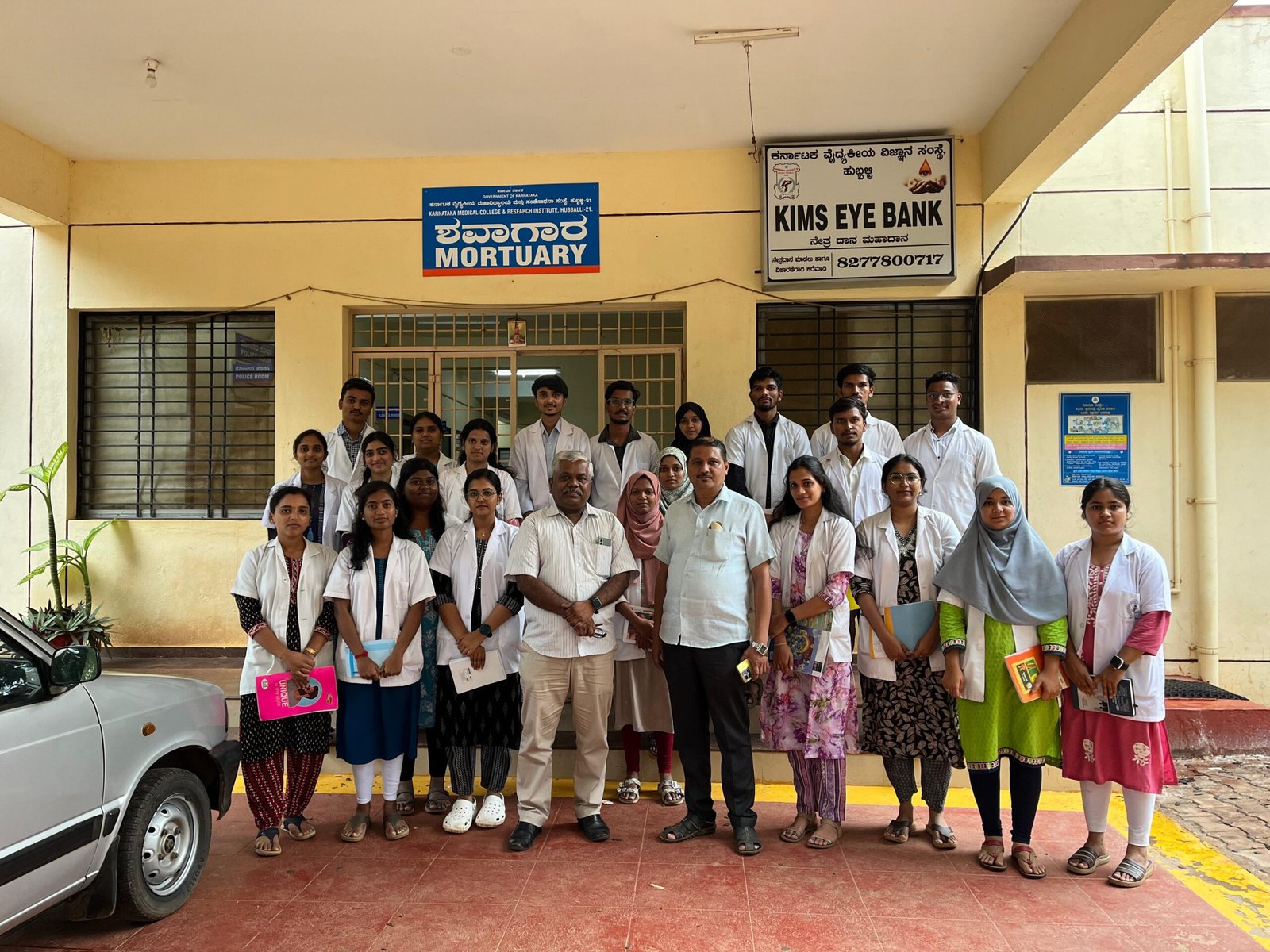
  • Forensic medicine and postmortem procedures
  • Medical ethics and legal responsibilities
🏛️ Facilities
  • Toxicology reference library
  • Poison specimen museum
  • Legal medicine case documentation
  • Practical training in forensic procedures
  • Field visits to forensic medicine departments
9
Internal Medicine
Kayachikitsa
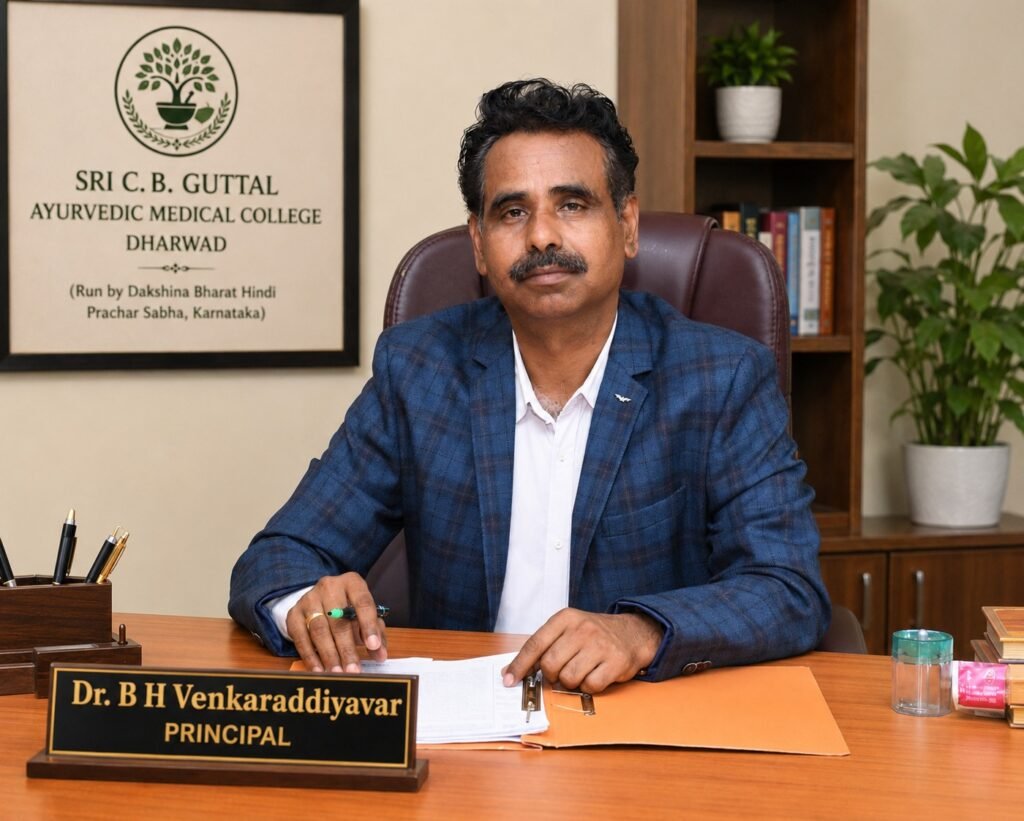
Dr B H venkaraddiyavar
Principal, HOD / Professor


Kayachikitsa is the core clinical department of Ayurvedic internal medicine. The word “Kaya” means the digestive fire (Agni) that transforms everything — making this department the heart of Ayurvedic therapeutics. Students manage a wide spectrum of diseases from diabetes, hypertension, and arthritis to neurological and respiratory conditions.

With direct patient exposure through the hospital’s OPD and IPD, students develop comprehensive clinical skills including Ashtavidha Pariksha, prescription writing, and Ayurvedic treatment planning.

Dr Vinuta Doddamani
Associate professor


Dr Soumya korwar
Assistant professor


Dr Vibha Manjunath Joshi Assistant Professor


Dr Yashoda S Mudigoudar

Professor


OPD & IPD
Ashtavidha Pariksha
Clinical Training
Lifestyle Diseases
Herbal Therapeutics
Case Studies

8
Ashtavidha Tests
50+
OPD / Day
20+
IPD Beds
200+
Diseases Treated

🎓 Academic Focus
  • Ashtavidha and Dashavidha Pariksha
  • Management of metabolic and lifestyle diseases
  • Neurological, respiratory, and cardiac disorders
  • Classical Ayurvedic treatment protocols
  • Case documentation and clinical reasoning
🏛️ Facilities
  • Dedicated OPD with 50+ daily patients
  • In-patient department (IPD) beds
  • Clinical examination room
  • Prescription and dispensary support
  • Seminar room for case presentations
10
Bio-Purification Therapies
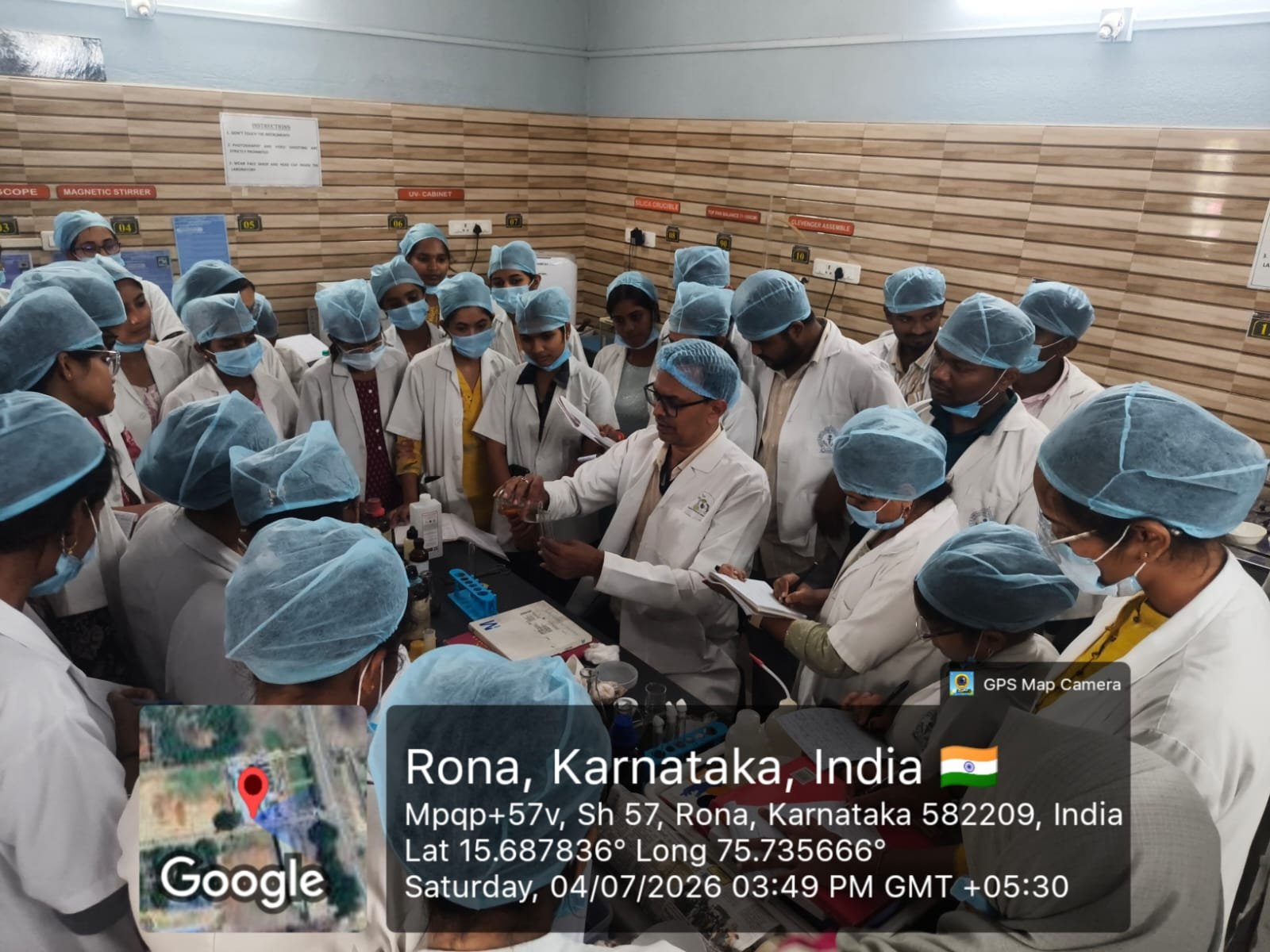
Panchakarma
Dr Mukta Hiremath
HOD / Professor


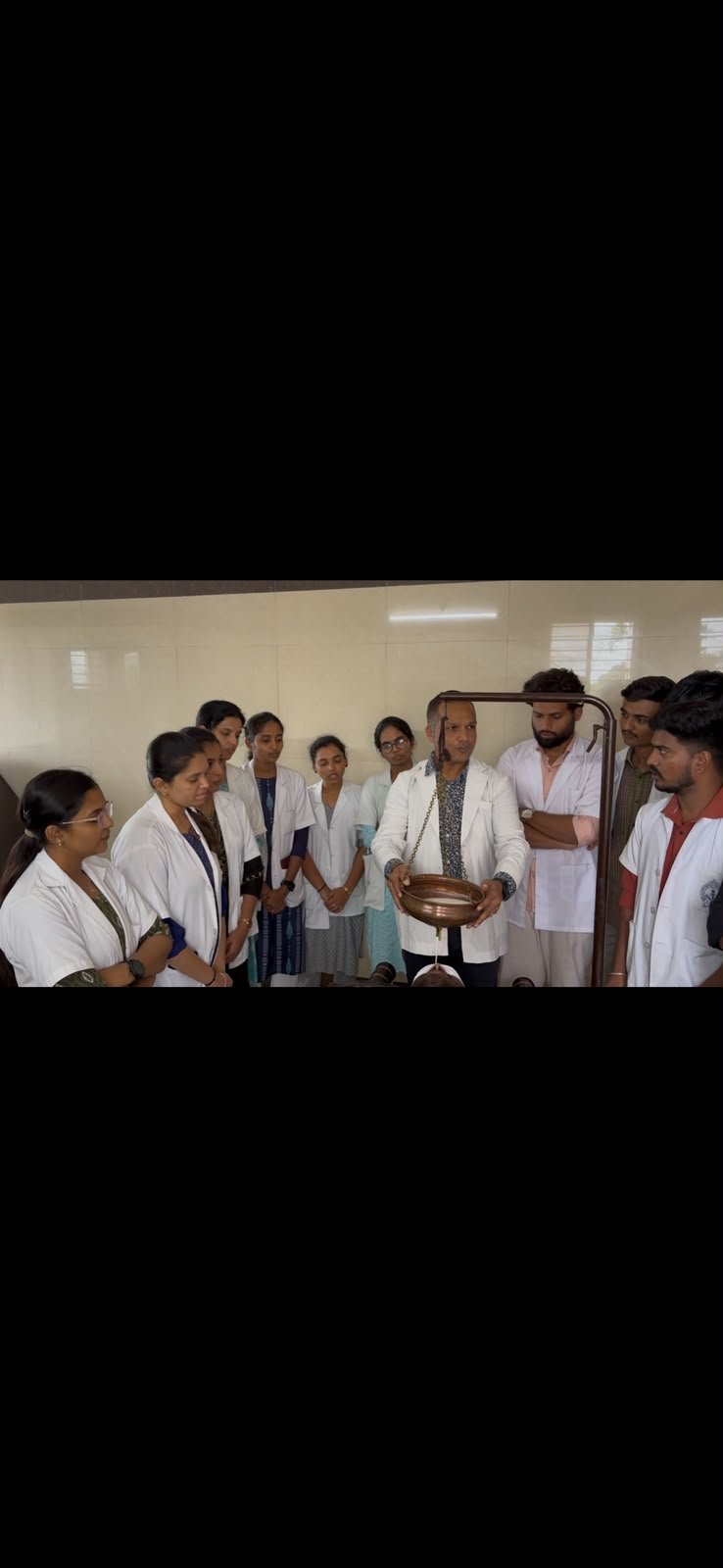
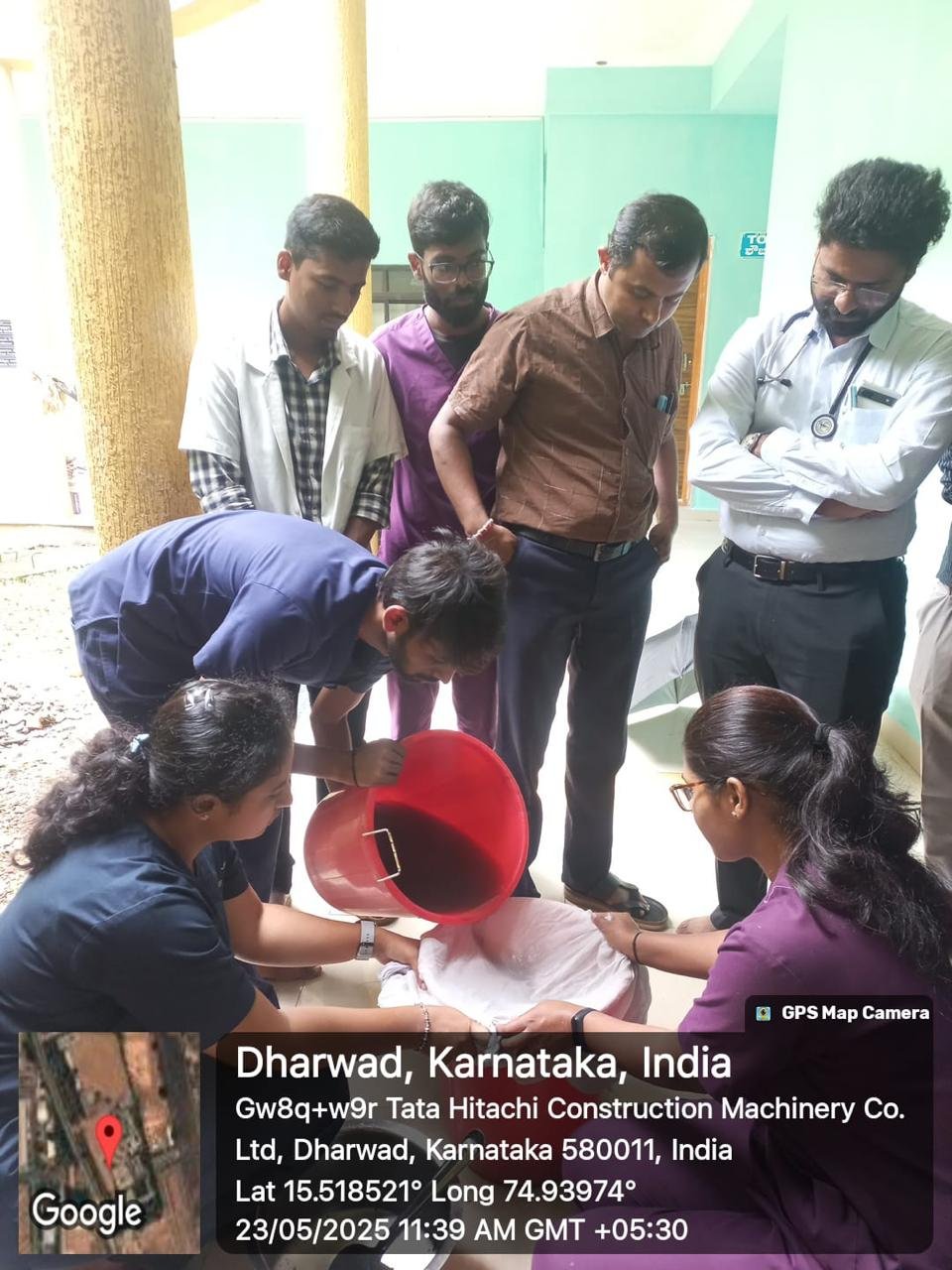
Panchakarma is Ayurveda’s renowned system of bio-purification therapies designed to eliminate accumulated toxins (Ama) and restore doshic balance. The five principal procedures — Vamana, Virechana, Basti, Nasya, and Raktamokshana — are preceded by Poorvakarma (preparatory procedures) including Snehana and Svedana.

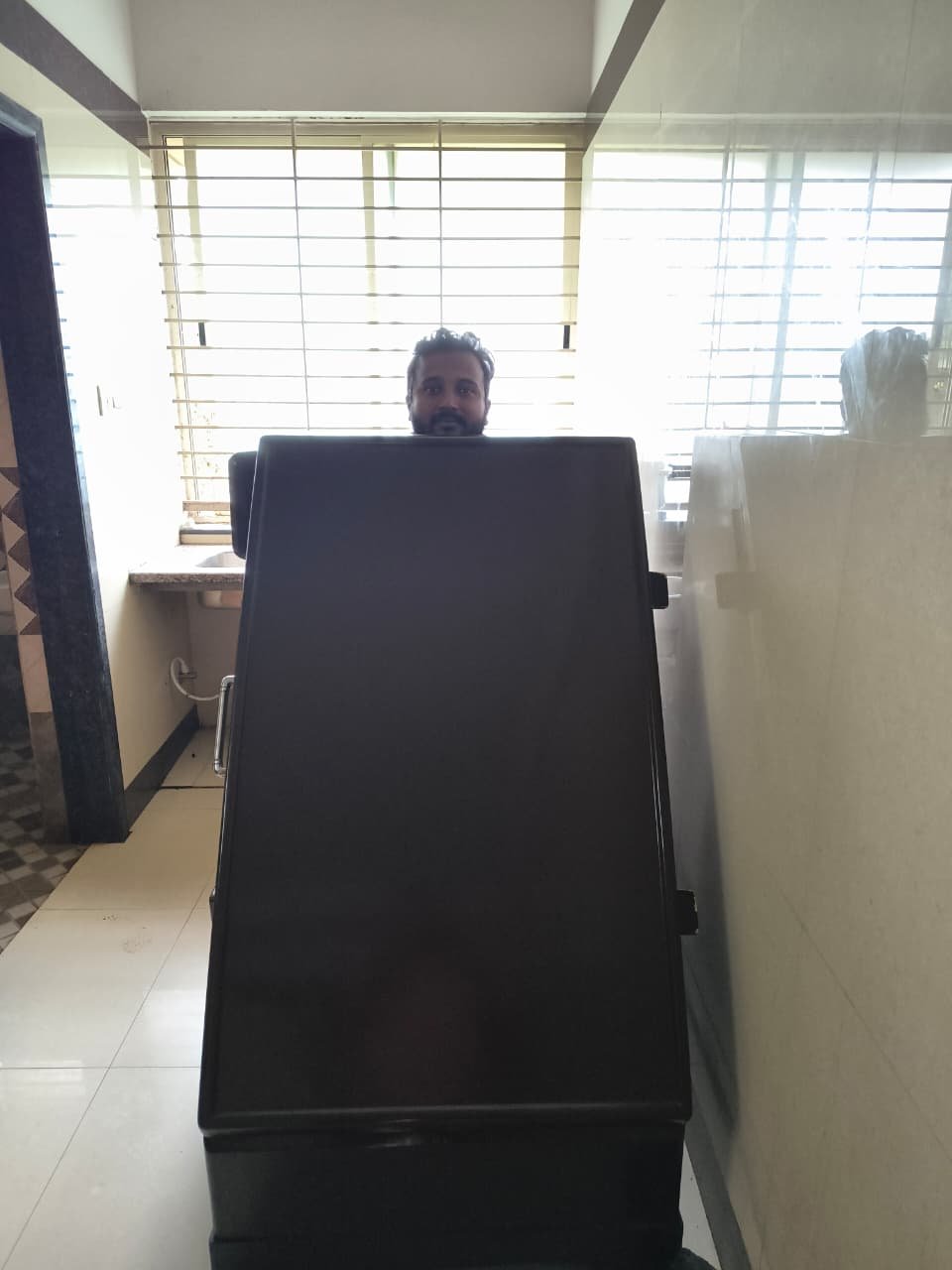
The department operates a fully equipped Panchakarma therapy centre where students gain hands-on experience under expert supervision, working with real patients across a range of conditions from musculoskeletal disorders to neurological and metabolic diseases.

Dr supreet kadli
Associate professor


Dr Suhasini Mote
Assistant professor


Dr upanishad upadhyay
Assistant professor


Faculty Name 4


Vamana
Virechana
Basti
Nasya
Raktamokshana
Snehana-Svedana

5
Main Karmas
30+
Therapy Rooms
101
Types of Basti
3
Stages of PK

🎓 Academic Focus
  • Poorvakarma — Snehana and Svedana techniques
  • Pradhanakarma — all five Panchakarma procedures
  • Paschatkarma — post-therapy management
  • Disease-specific Panchakarma protocols
  • Patient selection, dosing, and monitoring
🏛 Facilities
  • Dedicated Panchakarma therapy centre
  • Abhyanga and Svedana therapy rooms
  • Basti administration unit
  • Nasya and Shirodhara treatment rooms
  • Medicated oil and ghee preparation unit
11
Ayurvedic Surgery
Shalya Tantra
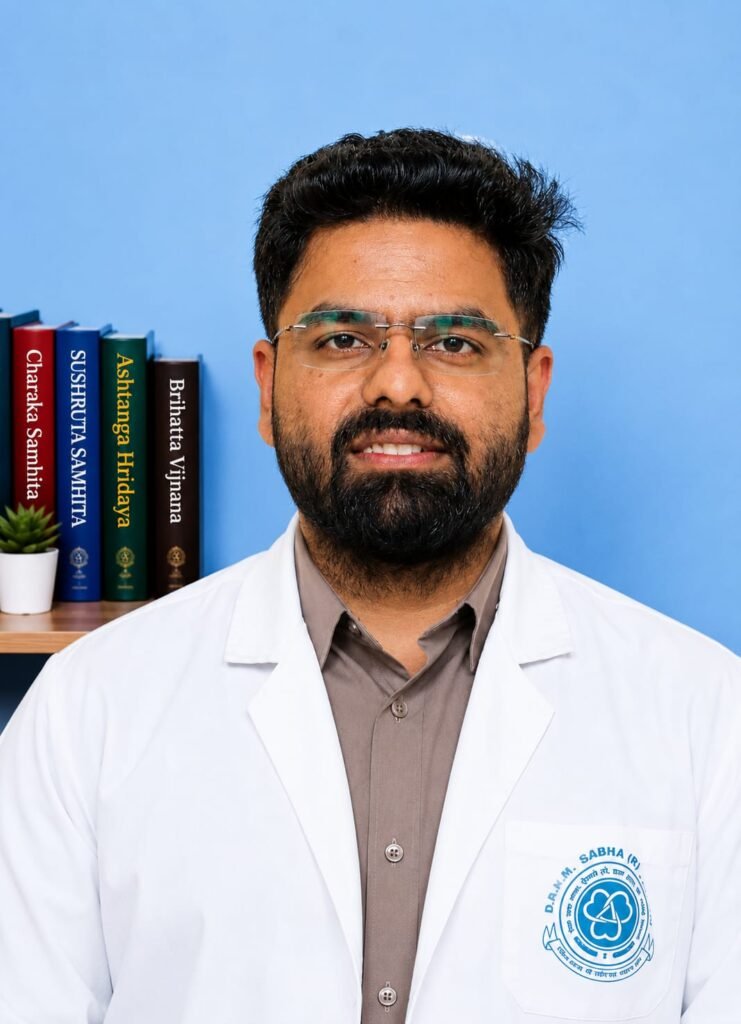
Dr Umesh
HOD / Professor


Shalya Tantra is the surgical branch of Ayurveda, rooted in the masterwork of Acharya Sushruta who is acclaimed as the Father of Surgery. The department covers Ayurvedic surgical instruments (Yantra and Shastra), wound management, Ksharasutra therapy for anorectal disorders, and a range of operative and para-surgical procedures.

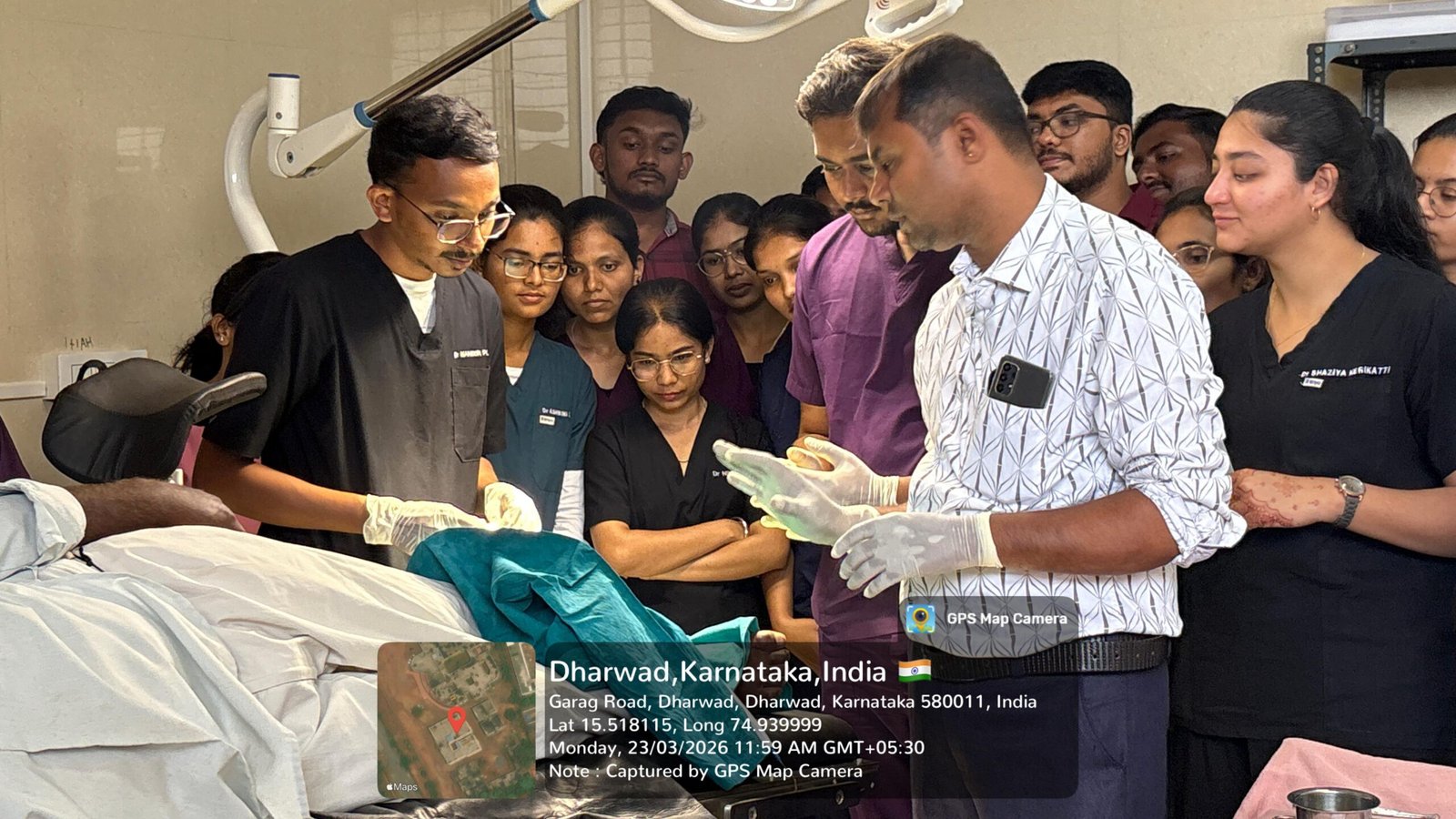
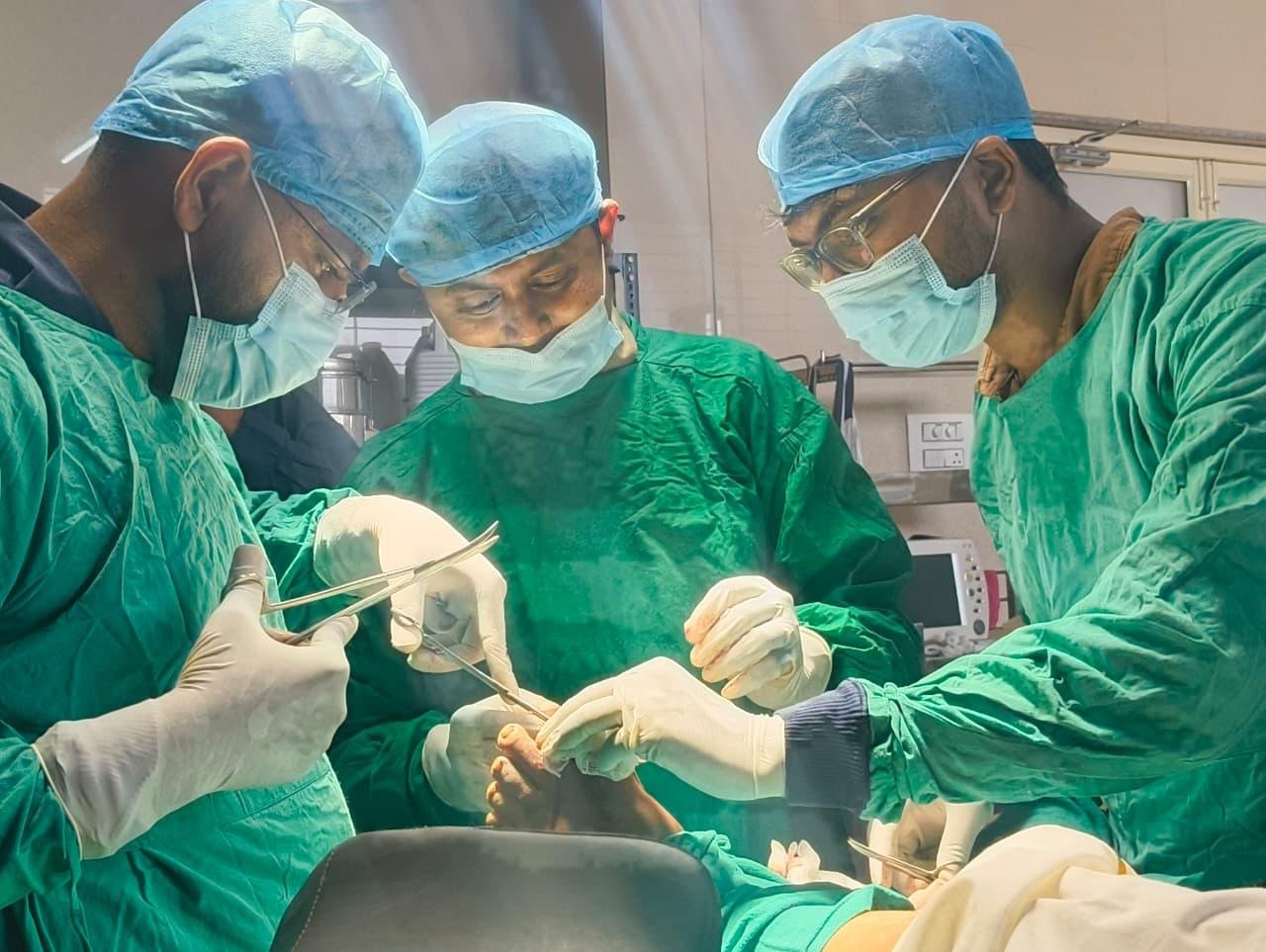
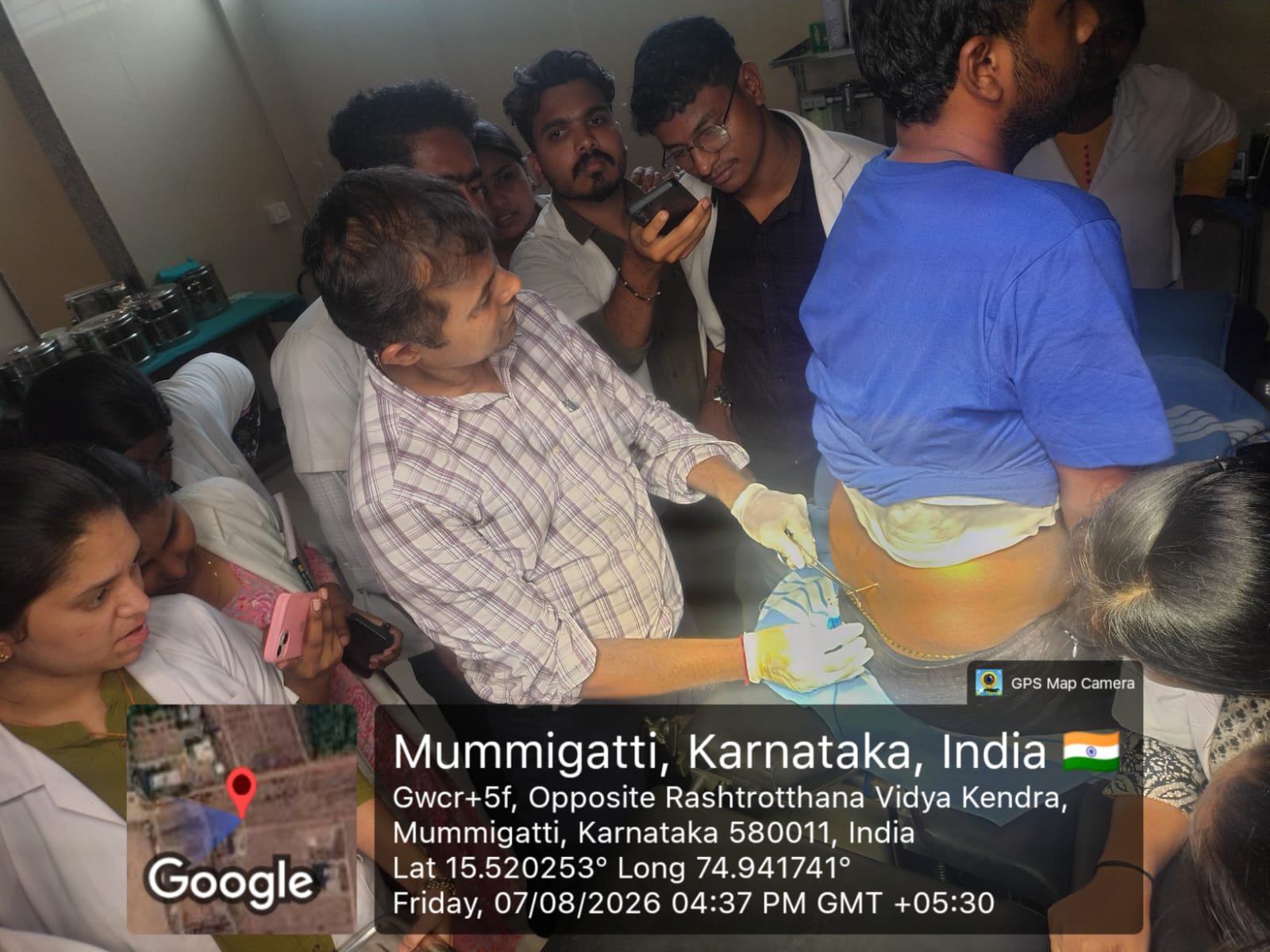
Students gain exposure in the surgical OT and outpatient surgical clinic, learning procedures such as Agni Karma (thermal cautery), Jalauka (leech therapy), Visravana (bloodletting), and Ksharasutra ligation.

Dr Pratibha
Associate professor


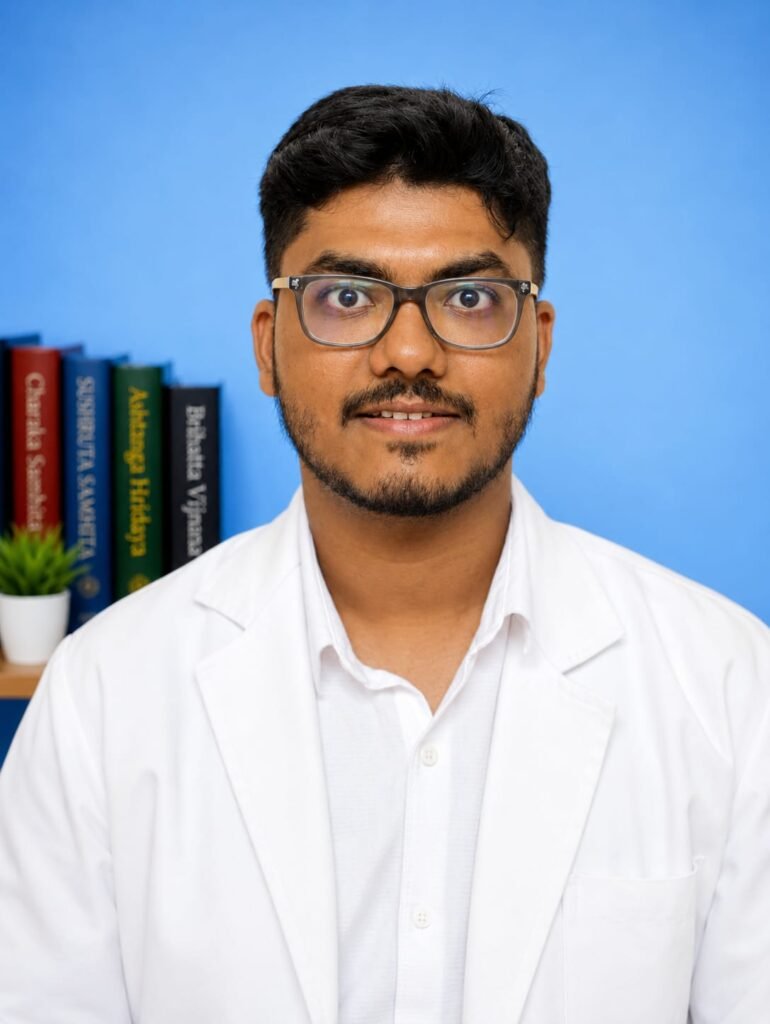
Dr adarsh Manohar Shahapurkar
Assistant professor


Dr siddartha P K
Assistant professor


Faculty Name 4


Ksharasutra
Surgical OT
Agni Karma
Jalauka (Leeches)
Wound Management
Yantra-Shastra

101
Surgical Instruments
8
Yantra Types
20
Shastra Types
5
Para-surgical

🎓 Academic Focus
  • Ksharasutra preparation and ligation technique
  • Agni Karma and Jalauka application
  • Wound care and dressing methods
  • Ano-rectal disease management
  • Pre-operative and post-operative Ayurvedic care
🏛️ Facilities
  • Fully equipped surgical OT
  • Ksharasutra preparation unit
  • Minor surgical procedures room
  • Surgical instrument museum
  • Leech therapy unit
12
ENT, Ophthalmology & Dentistry
Shalakya Tantra
Dr Jayashree N Bagade
HOD / Professor


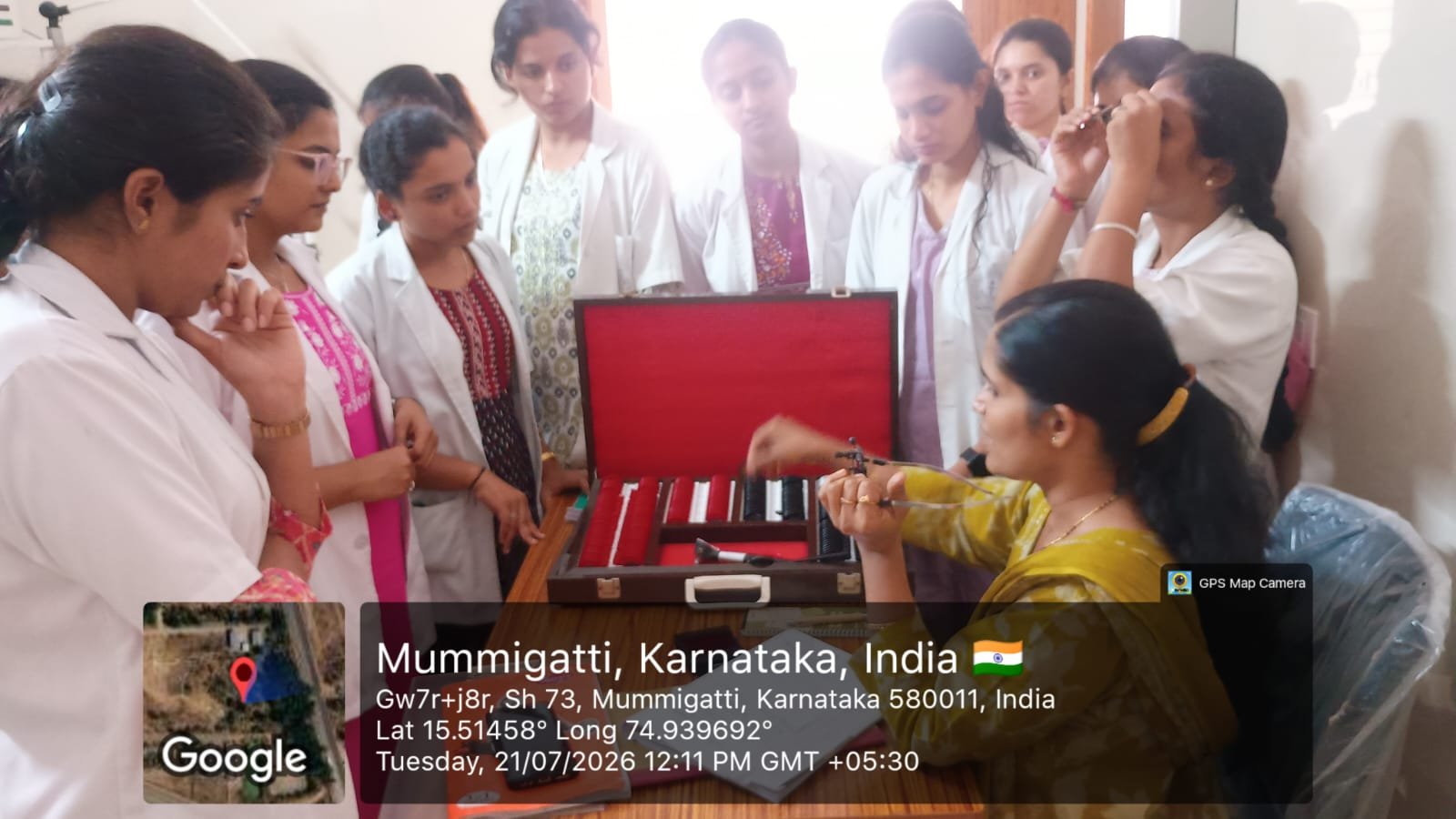
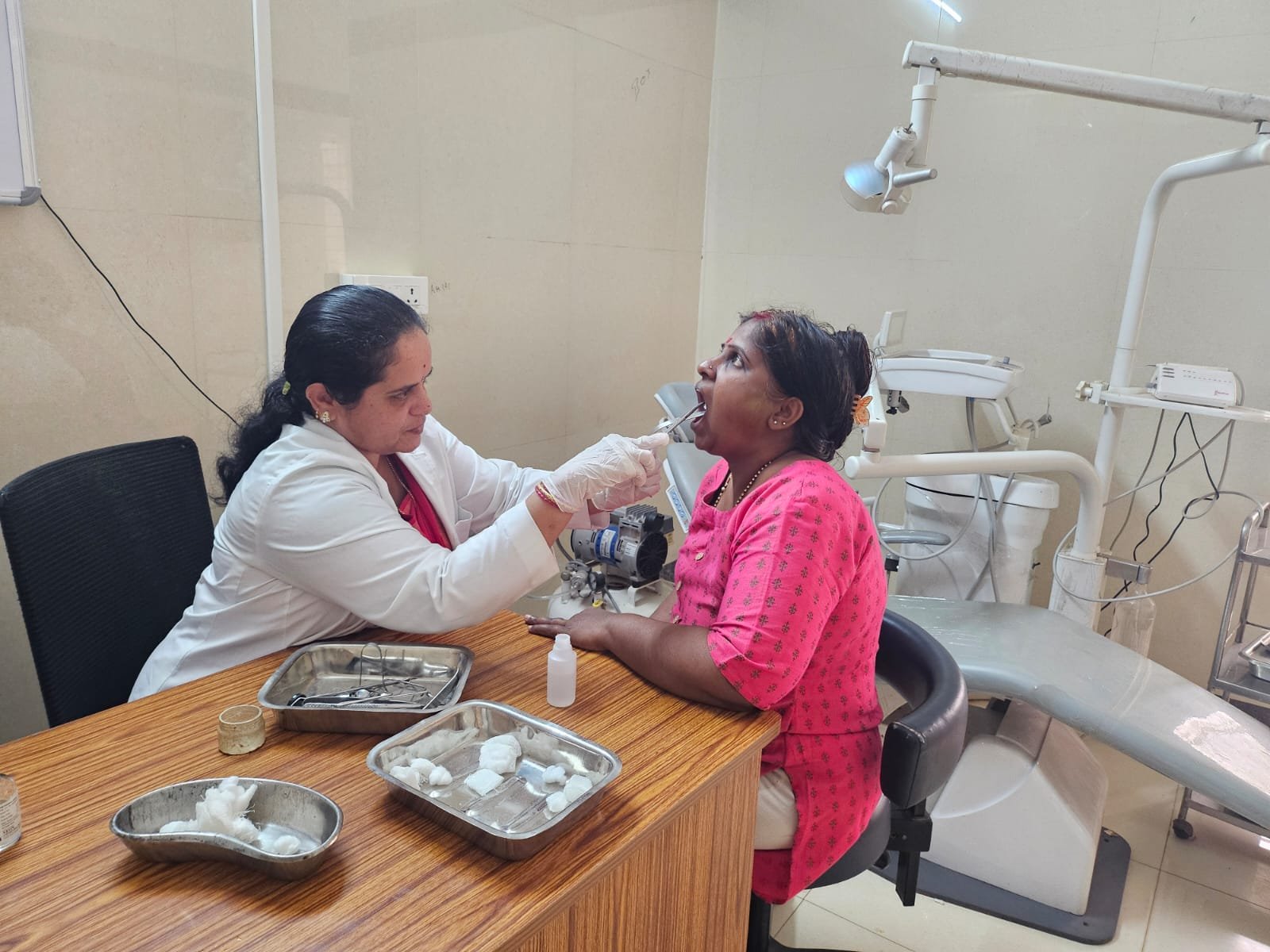
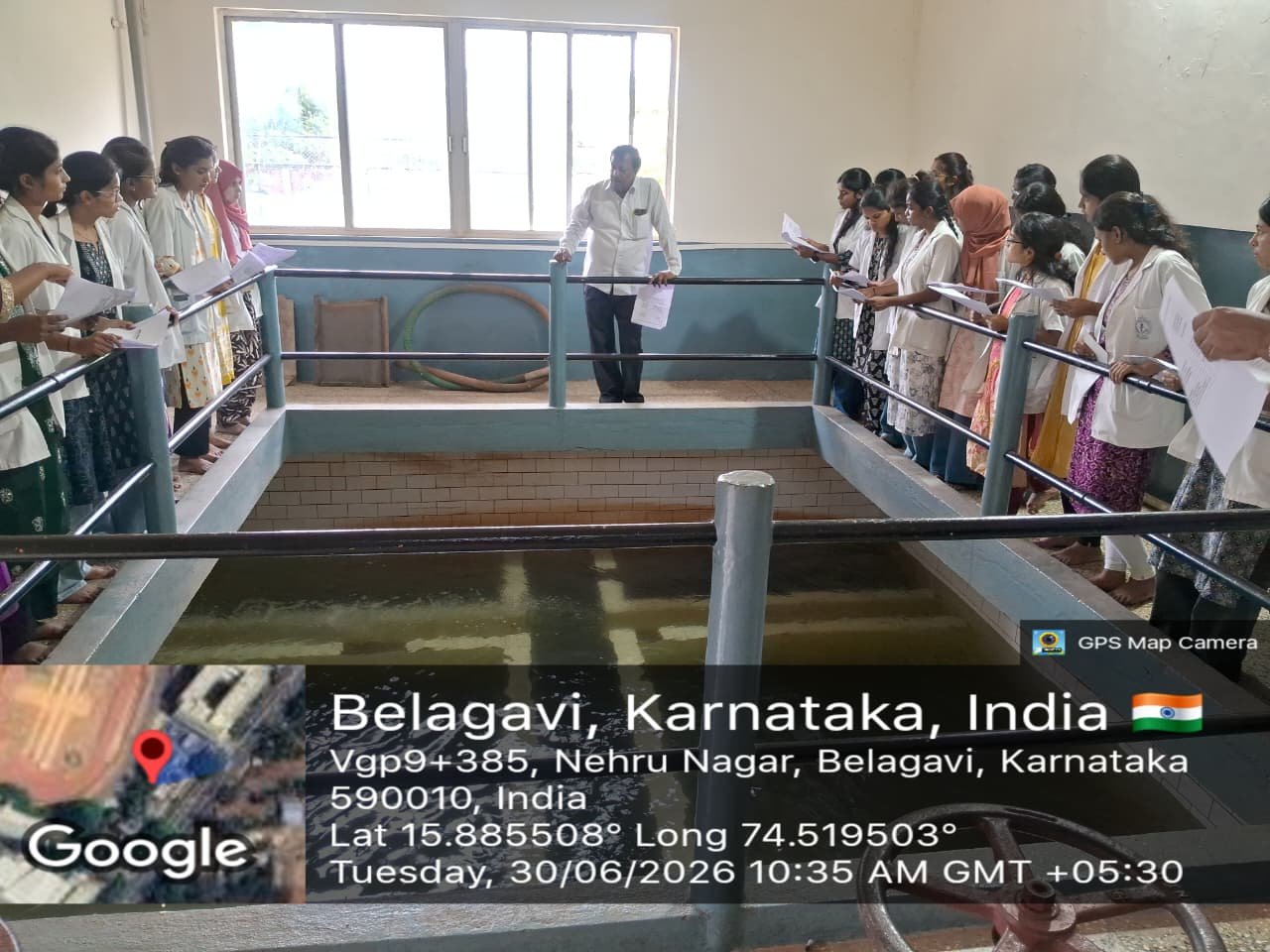
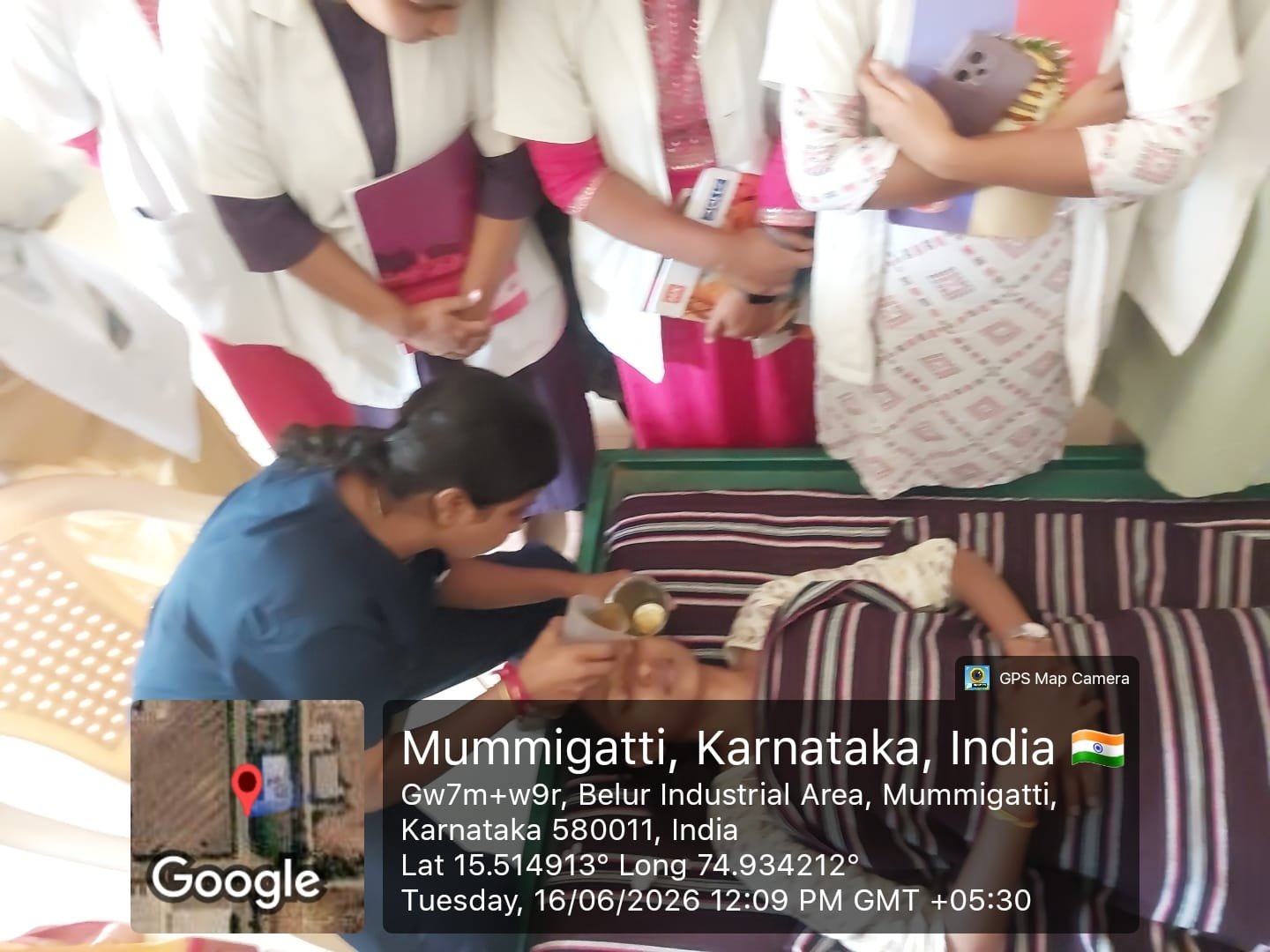
Shalakya Tantra is the branch dealing with diseases of the organs situated above the neck — the eyes (Netra), ears (Karna), nose (Nasa), throat (Gala), head (Shira), and oral cavity (Mukha). Shalaka refers to the probe-like instruments used in these disciplines.

Students receive training in Ayurvedic Ophthalmology (Netra Chikitsa), ENT management, and oral health, with procedures such as Tarpana, Putapaka, Anjana, Nasya, Karnapoorana, and Gandusha forming the practical core of clinical training.
Dr Gowtham gundi
professor


Dr Meghana desai
Professor


Faculty Name 3


Faculty Name 4


Netra Chikitsa
Tarpana
Karnapoorana
Gandusha
Eye OPD
ENT Procedures

76
Netra Rogas
28
Karna Rogas
31
Nasa Rogas
65
Mukha Rogas

🎓 Academic Focus
  • Netra Chikitsa — eye disease management
  • Tarpana, Putapaka, Anjana procedures
  • Karna, Nasa, and Mukha disorders
  • Karnapoorana and Nasya therapies
  • Shiro Rogas and their Ayurvedic management
🏛️ Facilities
  • Eye OPD with slit lamp and equipment
  • ENT examination and treatment room
  • Tarpana and Putapaka therapy unit
  • Oral health and Gandusha centre
  • Modern diagnostic instruments
13
Obstetrics & Gynaecology
Prasuti Tantra evam Stree Roga
Dr Sujatha M
HOD / Professor


Prasuti Tantra is the Ayurvedic science of obstetrics, covering the full continuum of care from conception (Garbhadana) through pregnancy (Garbhini Paricharya), labour and delivery, and postnatal care (Sutika Paricharya). Stree Roga deals with gynaecological disorders and women’s reproductive health.
Students receive comprehensive training in antenatal and postnatal care, normal and assisted deliveries, and the Ayurvedic management of gynaecological conditions including Artava Dushti, Yoni Vyapat, and Pradara.

Dr Savita Upanal
Associate Professor


Dr Bharati A Hunashyal
Assistant professor


Dr sushma Kolekar
Assistant Professor


Faculty Name 4


Garbhini ParicharyaLabour RoomSutika CareGynae OPDYoni VyapatWomen’s Health
9Months Care
20Yoni Vyapat
8Artava Dushti
40+Deliveries/Year
🎓 Academic Focus
  • Garbhini Paricharya — month-wise antenatal care
  • Sodhana and Shamana therapy in pregnancy
  • Normal and assisted delivery techniques
  • Sutika Paricharya — postnatal Ayurvedic care
  • Stree Roga — gynaecological disease management
🏛 Facilities
  • Labour room and delivery suite
  • Ante-natal and post-natal wards
  • Gynaecology OPD with examination facilities
  • USG and diagnostic support
  • Special diet kitchen for Sutika care
14
Paediatrics
Kaumarabhritya
Dr Vaishali desai
HOD / Professor


Kaumarabhritya is the Ayurvedic specialisation covering child health from conception through adolescence. It includes neonatal care (Navajata Shishu Paricharya), paediatric disease management, and the unique preventive practice of Swarnaprashana — the administration of gold-enriched Ayurvedic preparations to enhance immunity and intelligence in children.

The department also covers Graha Chikitsa — the Ayurvedic understanding of neuropsychiatric disorders in children — along with growth and development monitoring and the management of common paediatric ailments through gentle, age-appropriate Ayurvedic therapies.

Dr Amith shinde
Assistant professor


Faculty Name 2


Faculty Name 3


Faculty Name 4


SwarnaprashanaNavajata CarePaediatric OPDGraha ChikitsaBala RogaGrowth Monitoring
16Bala Rogas
9Graha Types
6Balya Drugs
12Swarnaprashana Months
🎓 Academic Focus
  • Navajata Shishu Paricharya — neonatal care
  • Swarnaprashana — gold-based immunisation
  • Paediatric disease management (Bala Rogas)
  • Graha Chikitsa — neuropsychiatric disorders in children
  • Growth, development and nutrition monitoring
🏛 Facilities
  • Paediatric OPD and treatment rooms
  • Neonatal care unit
  • Swarnaprashana preparation and administration
  • Growth monitoring and counselling room
  • Child-friendly waiting and examination area
15
Clinical Skills Training Centre
Skill Lab
Dr Manjunath Yallappa Lande
HOD / Professor


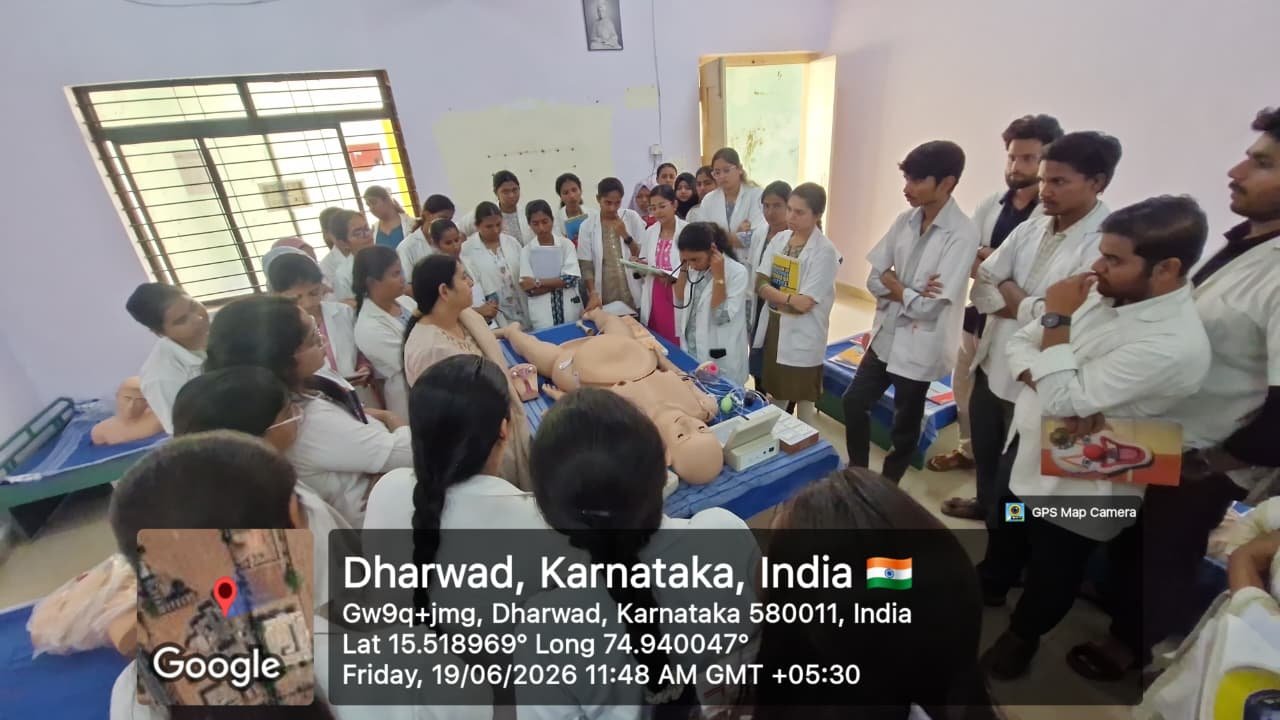
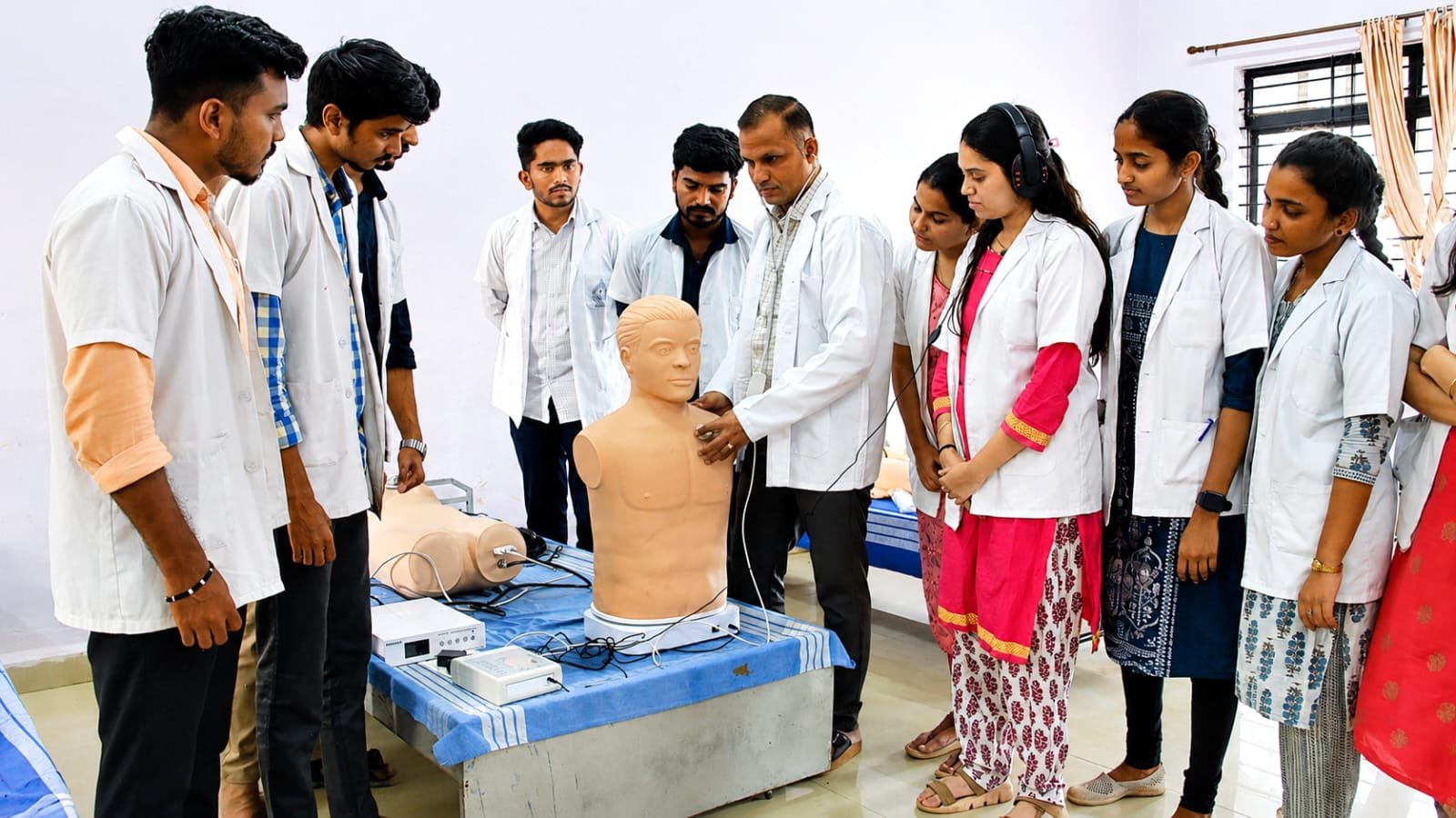
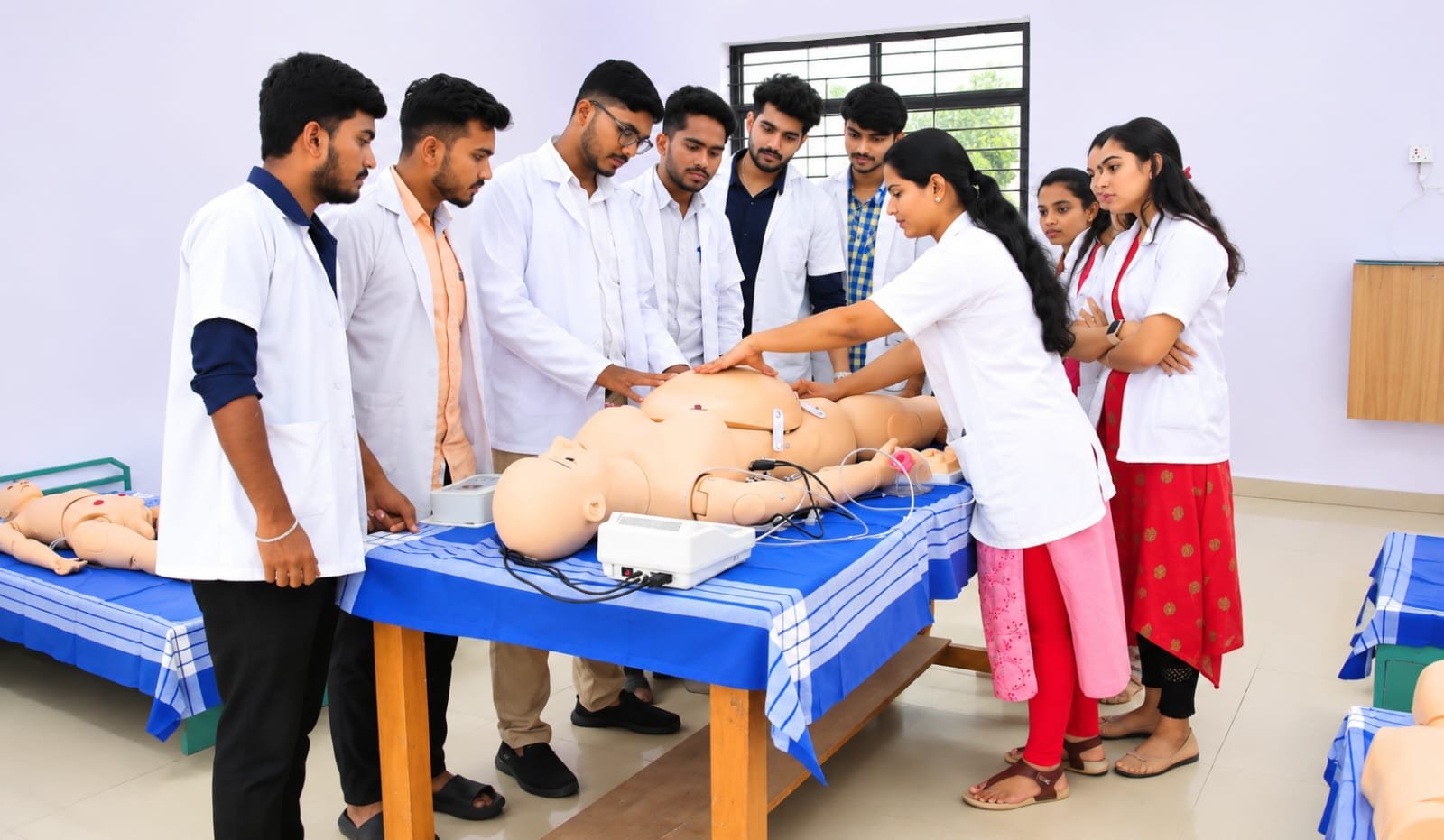
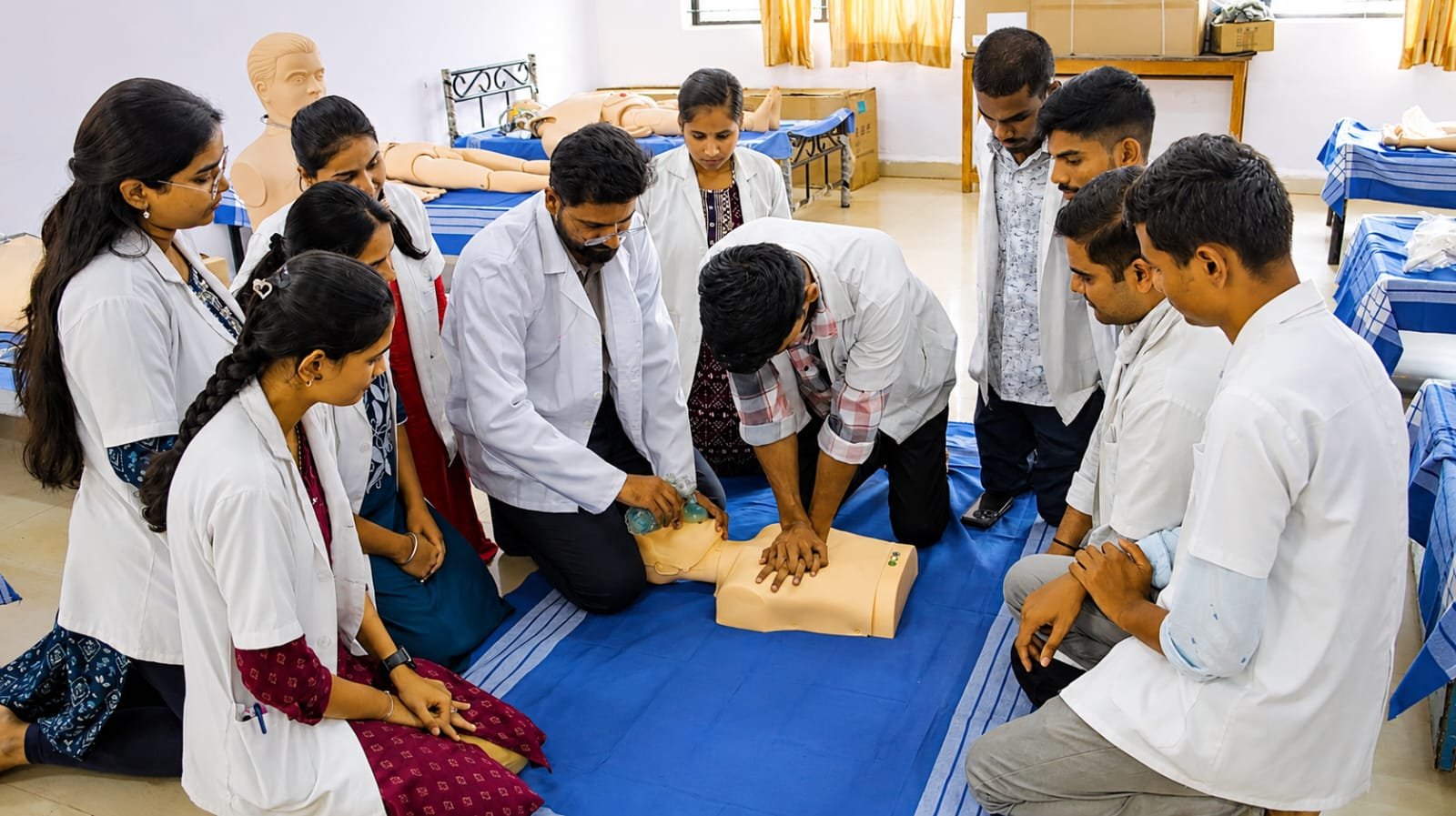
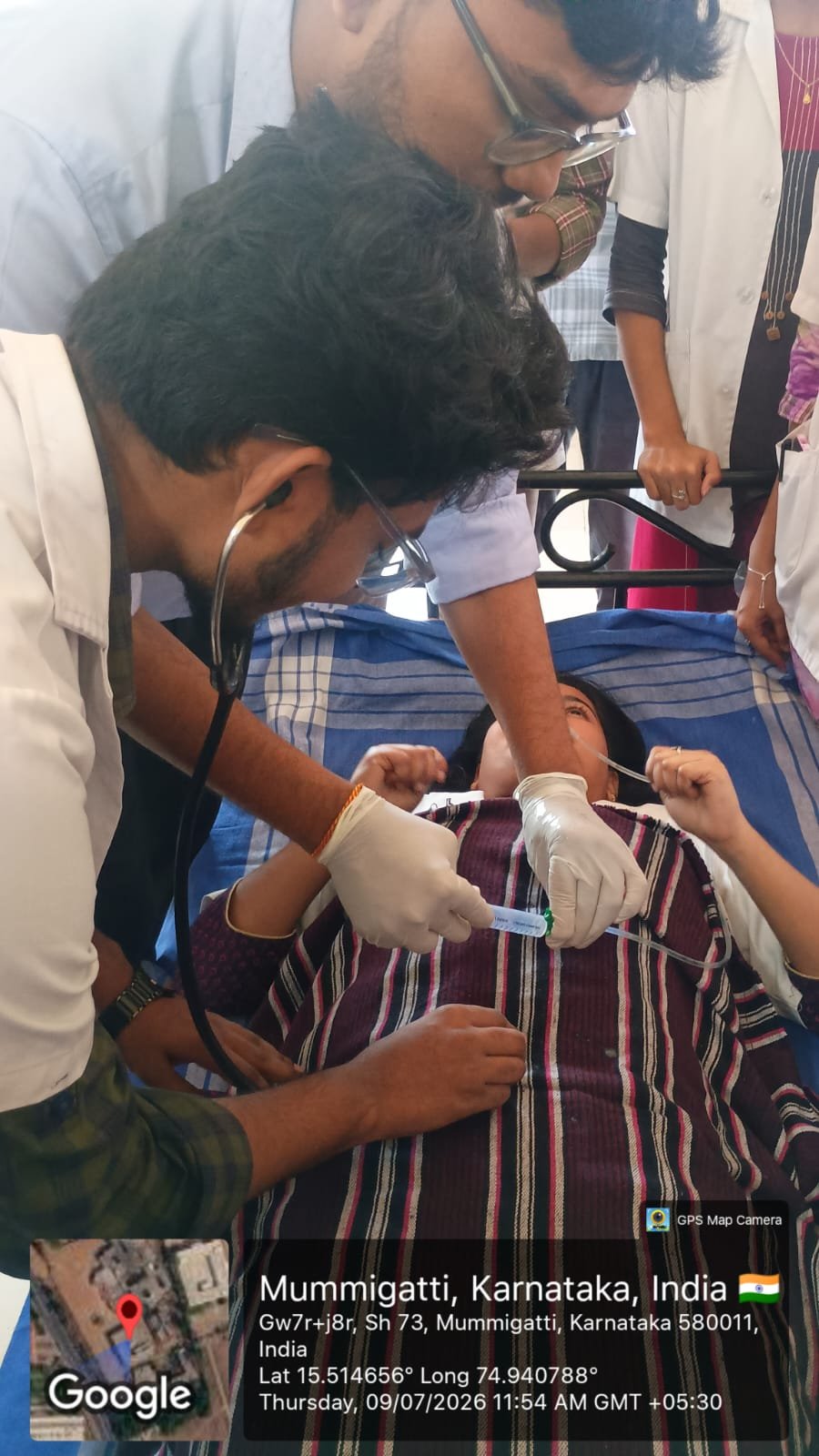
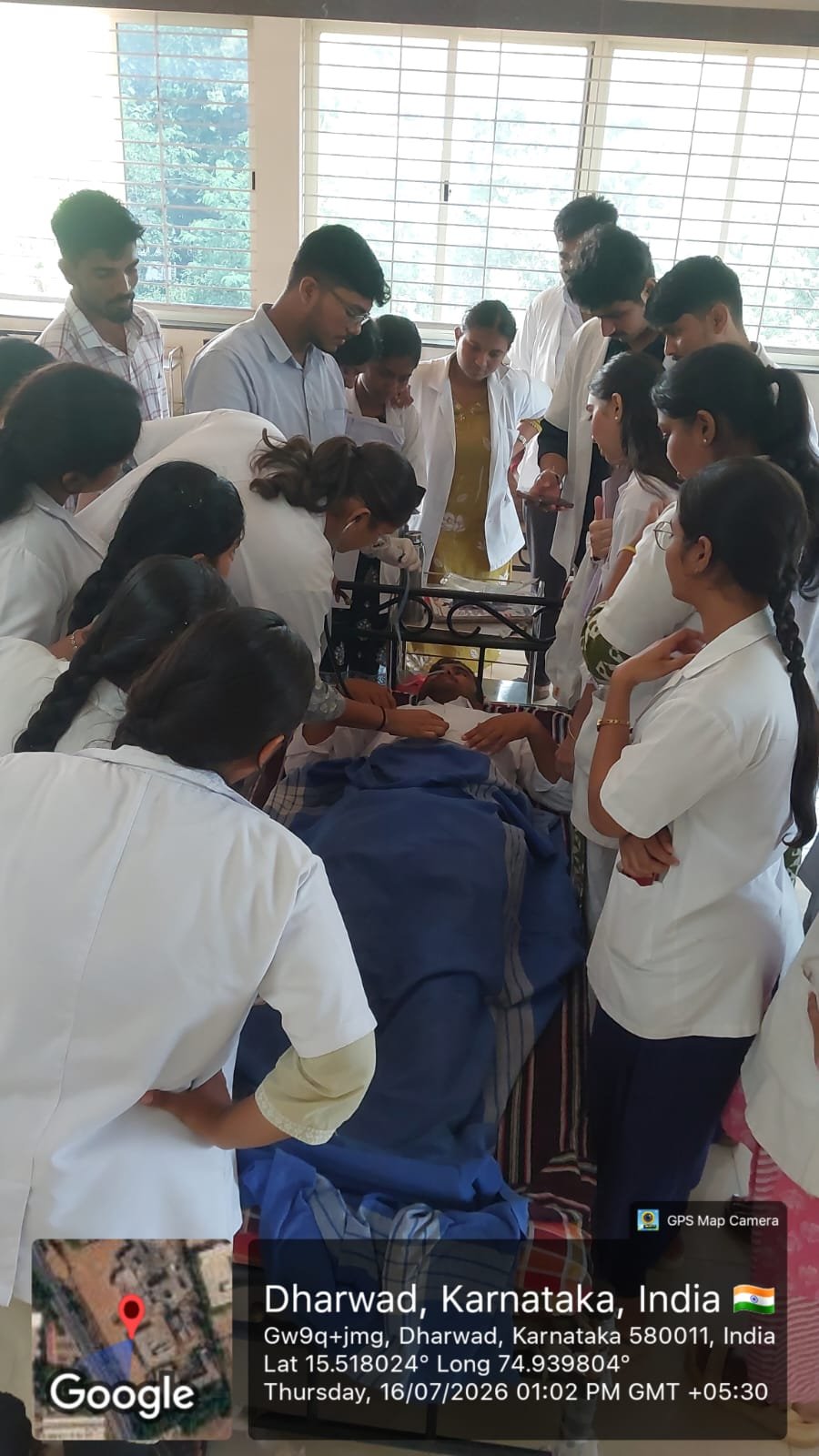
The Skill Lab is an integrated, multi-departmental training facility that provides simulation-based learning for students across all departments of the college. It bridges the gap between classroom theory and real patient care through structured, repeatable, low-risk practice.

Students train on clinical procedures, patient communication, and emergency management protocols using mannequins, task trainers, and simulated patient scenarios, with structured feedback and debriefing to build confidence before clinical postings.

Dr Gowtham gundi
Professor


Dr Varun Joshi
Professor


Dr Siddartha P K
Assistant professor


Faculty Name 4


Clinical SimulationMannequin TrainingOSCE TrainingCPR & BLSCommunication SkillsEmergency Drills
12+Skill Stations
14Depts Served
25+Procedures Trained
100%Hands-on Practice
🎓 Training Focus
  • Procedure-based simulation training
  • OSCE (Objective Structured Clinical Examination) practice
  • CPR, BLS, and emergency management drills
  • Patient communication and history-taking skills
  • Structured feedback and video-based debriefing
🏛️ Facilities
  • 12+ simulation stations with task trainers
  • Clinical mannequins for procedure practice
  • Emergency response training equipment
  • Audio-visual recording and debriefing room
  • Open access for all departments of the college
Shri C.B. Guttal Ayurvedic Medical College and Hospital
Managed by Dakshina Bharat Hindi Prachar Sabha, Dharwad

Shri R.F. Neeralakatti Educational Campus, Garag Road, Mummigatti, Dharwad – 580 011, Karnataka, India

Phone: 0836-2486951 | 0836-2486941
Email: cbgamcdwd0014@gmail.com

Affiliations

RGUHS Affiliated
NCISM Approved
AYUSH Approved

© Copyright 2026 Shri C.B. Guttal Ayurvedic Medical College & Hospital. All rights reserved. Developed by Reditek Softwares